
Tax Office Proposes Rp5.4 Trillion to Optimise Revenue Collection in 2027
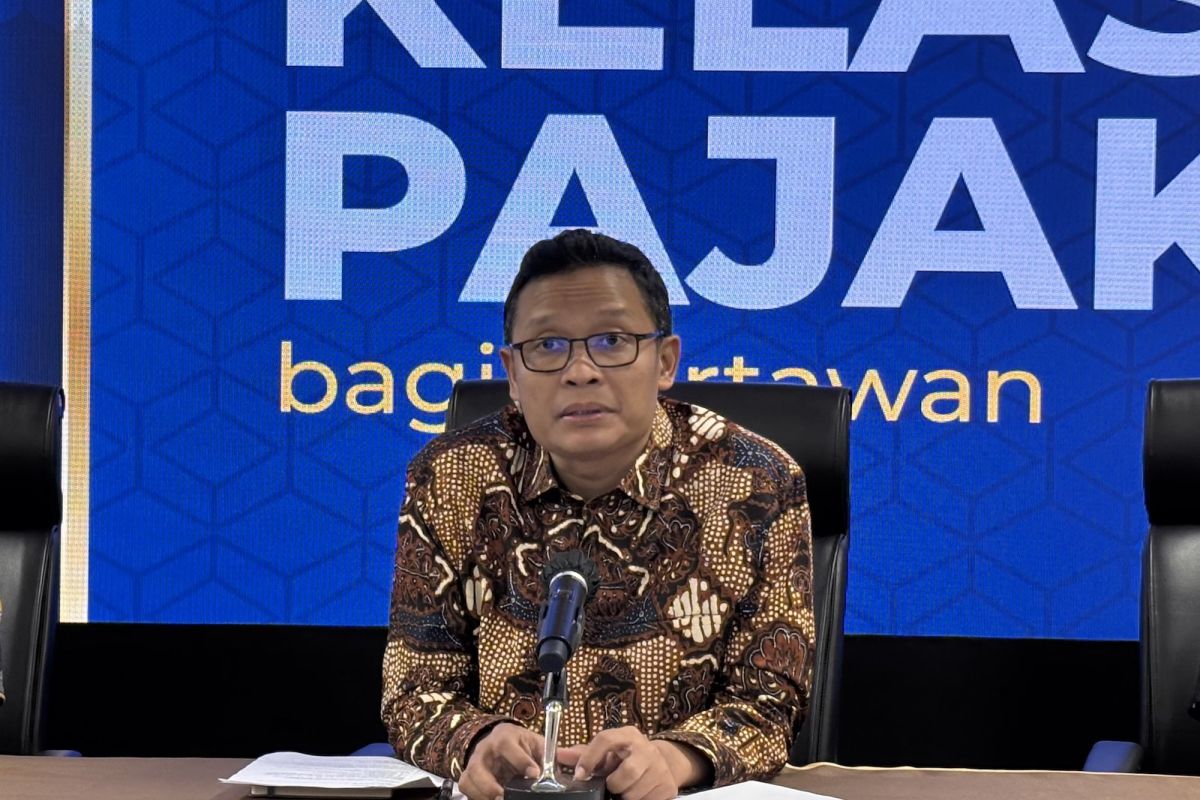
The Directorate General of Taxes (DJP) at the Ministry of Finance has proposed an indicative budget ceiling of Rp5.4 trillion to support the optimisation of tax revenue in 2027. “This 2027 indicative ceiling is initially Rp5.4 trillion, comprising the state revenue management programme at Rp867.89 billion and the management support programme at Rp4.534 trillion,” said Director General of Taxes Bimo Wijayanto during a meeting with House of Representatives Commission XI at the Parliamentary Complex in Senayan, Jakarta, on Monday. He explained that the state revenue programme is used to carry out technical activities, while the management support programme provides backing for the execution of duties and functions, such as personnel expenditure, operational spending, capital expenditure, and information and communication technology. Bimo noted that the DJP’s budget trend over the past five years has declined. Next year’s indicative ceiling is also Rp23 billion lower than the 2026 budget allocation after efficiency measures totalling Rp5.42 trillion. He detailed that the DJP’s 2027 indicative ceiling will cover support for reliable and credible data and information systems (Rp678.98 billion), expansion of the tax base (Rp919.02 billion), and services and strengthening of public trust (Rp665.4 billion). Furthermore, the budget will be used to carry out supervisory and law enforcement functions (Rp1.97 trillion), tax policy (Rp578.59 billion), and office operations (Rp583.81 billion). Bimo said his office has also prepared five technical tax policies to optimise revenue next year. The first point is expanding the tax base through the use of data and technology targeting digital economy activities, the shadow economy, and other informal sectors. “The second is strengthening tax administration in data collection to support the optimisation of Coretax, and the use of the Compliance Risk Management Integrated Risk Engine (CRM-IRE) to improve compliance and tax revenue,” Bimo stated. Further measures include enhancing supervision of the compliance of corporate taxpayer groups, taxpayers with transactions affected by special relationships, and prominent individual taxpayers. “The fourth is strengthening the law enforcement function in improving taxpayer compliance through a multidoor approach to create a deterrent effect,” Bimo said. “Then, the fifth is optimising tax incentives through evaluating the utilisation of tax incentives to support economic growth, competitiveness, and the business climate,” he added. He also disclosed further details regarding the five technical policies. The DJP will focus on perfecting reliable and credible data and information systems related to the optimal use of Coretax, and optimising support for data utilisation through artificial intelligence. “Then, expanding the tax base, services and strengthening public trust, and measured supervision and law enforcement that continues to support the sustainability of the investment climate and economic growth,” Bimo said. “As well as tax policy, in this case reviewing regulations that still have policy gaps and potential administration gaps to strengthen the policies and administration we carry out,” he concluded.