
Tax Office Blocks 3,185 Bank Accounts of Tax Defaulters in East Java
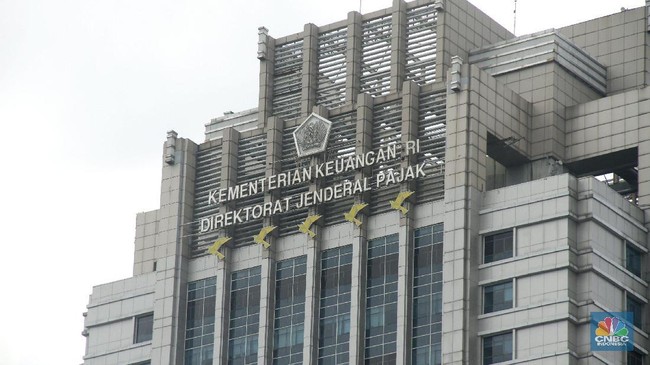
Jakarta, CNBC Indonesia - The East Java Regional Office (Kanwil) of the Directorate General of Taxes (DJP) has carried out a simultaneous blockade of 3,185 bank accounts owned by tax defaulters. This simultaneous blockade, occurring during the period of 6-8 May 2026, was executed by representatives of the State Tax Bailiffs from each Tax Service Office (KPP) within the scope of Kanwil DJP East Java I, Kanwil DJP East Java II, and Kanwil DJP East Java III. In addition to bank accounts, the DJP has also conducted investigations into other financial assets held in financial service institutions, such as securities sub-accounts, insurance policies, and other financial instruments in accordance with applicable laws and regulations. The Head of Kanwil DJP East Java I, Max Darmawan, explained that prior to the blockade, the Directorate General of Taxes had issued and delivered Warning Letters and Coercive Letters. However, the taxpayers showed no good faith in settling their tax debts after the payment due dates had passed. “We urge taxpayers who still have outstanding debts to promptly settle their tax obligations. The DJP continues to prioritise voluntary compliance, but for taxpayers who demonstrate no good faith after all collection stages have been completed, law enforcement actions, including blockades, will be carried out in a measured, professional, and accountable manner,” Max stated, as quoted on Tuesday (12/5/2026). The DJP’s authority to request the blockade of taxpayers’ accounts is regulated under Law Number 19 of 1997 on Tax Collection by Coercive Letter as amended by Law Number 19 of 2000. The procedures for implementing tax collection are carried out in accordance with the provisions of Minister of Finance Regulation Number 61 of 2023 on the Procedures for Tax Collection on the Remaining Tax Amount to be Paid. Through this simultaneous blockade activity, the DJP hopes to provide a deterrent effect for tax defaulters while enhancing awareness and compliance among taxpayers in fulfilling their tax obligations as a contribution to national development.