
Tax Is Not Investors’ Main Consideration for Investing in Indonesia, Says Tax Directorate
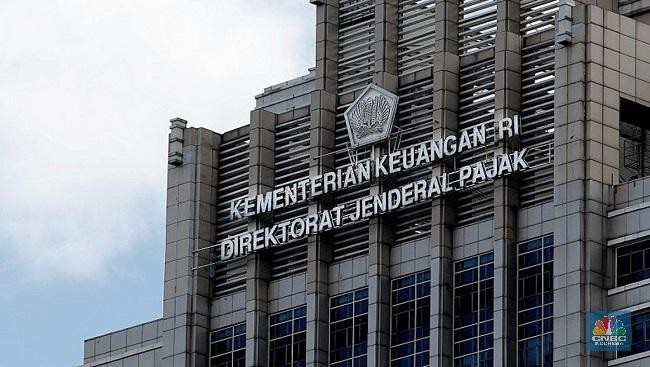
Jakarta, CNBC Indonesia — The Ministry of Finance’s Directorate General of Taxes (DJP) says tax is not the main consideration for investors looking to invest in Indonesia.
Dwi Astuti, Director of International Taxation, said investors’ main reasons for investing in the country include its abundant natural resources, a more skilled workforce with relatively low wages, and improved infrastructure.
“Tax is not really the number-one consideration for making an investment. They will certainly see that we are very rich in natural resources, and perhaps that Indonesian workers are more skilled and more capable, and that the workforce is good, while wages may still be relatively low,” Dwi said at the 16th TIF Tax Outlook Seminar on Wednesday (4 November 2026).
Dwi added that investors also consider the returns they can earn from investing in Indonesia. Tax is therefore simply a logical consequence of an investment, as companies are expected to make a profit.
She said there is a five-year grace period. For example, if an investment has not generated returns after five years, the company does not pay tax. She stressed that no authority would collect tax from a company operating at a loss.
“But if you have invested in Indonesia for a long time — more than five years, for example — and you are still making losses, there must be something wrong. What is going on? No company can keep operating after five, six or 10 years of continuous losses,” she said.
The government offers various income-tax incentives to investors, as set out in the document on corporate income-tax facilities in Indonesia.
These include a corporate income-tax reduction for pioneer industries (tax holiday), as well as tax incentives for investment in certain business sectors and/or regions (tax allowance).
Other incentives include a reduction in net income for new investment or business expansion in certain labour-intensive industries (investment allowance), and a reduction in gross income for qualifying research and development activities in Indonesia (R&D super tax deduction).
There is also a gross-income deduction for workplace training, apprenticeships and/or teaching activities intended to develop competency-based human resources (vocational super tax deduction); income-tax incentives in special economic zones (tax holiday and tax allowance); and income-tax facilities in the Nusantara capital city (IKN).