
Tax Debt Payments Made Easier as DGT Chief Explains the Rules
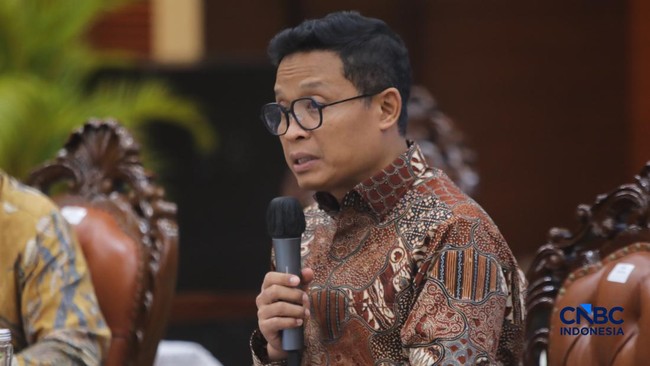
Jakarta, CNBC Indonesia – Director General of Taxes Bimo Wijayanto has reminded taxpayers that the government has eased the mechanism for paying tax debts.
The provisions are set out in Finance Minister Regulation No. 71 of 2026, which revises Finance Minister Regulation No. 118 of 2024 and took effect when it was promulgated on 2 October 2026.
“We hope these improvements will help taxpayers meet their obligations more effectively, while supporting a tax system that is fairer and more efficient,” Bimo said, according to a press release on Monday (12 October 2026).
Until now, payments towards tax debts have been allocated proportionally between the principal tax debt and administrative penalties. Under the new provisions, payments will instead be applied first to settle the principal tax debt.
This gives taxpayers the opportunity to settle their principal tax obligations more quickly and obtain certainty over the resolution of their tax debts.
“With this adjustment, taxpayers’ payments can first be used to settle the principal tax debt, giving them the opportunity to meet their principal obligations while also making use of facilities to reduce or waive administrative penalties, subject to the applicable rules,” Bimo said.
In addition to changing the tax-debt payment mechanism, Finance Minister Regulation No. 71 of 2026 revises the time limit for submitting responses to the findings of an objection review and clarifies provisions on the reduction or waiver of administrative penalties.
The regulation also makes clear that administrative penalties arising from objection, appeal or judicial review proceedings cannot be submitted for reduction or waiver under the mechanism set out in the regulation.
Bimo stressed that the changes do not constitute a tax amnesty and do not remove the obligation to pay the principal tax debt. The facilities for reducing or waiving administrative penalties remain subject to the applicable requirements and provisions.
He said the policy was intended to encourage taxpayers to fulfil their obligations in a more orderly manner, while ensuring fairness for those who have complied with their obligations.
From a fiscal perspective, the changes are also expected to speed up repayment of outstanding principal tax debts and strengthen voluntary taxpayer compliance. Finance Minister Regulation No. 71 of 2026 includes transitional provisions to provide legal certainty as the revised rules are implemented.
“The policy is also expected to help maintain taxpayers’ cash-flow resilience, particularly for micro, small and medium-sized enterprises (MSMEs), thereby supporting the continuity and growth of their businesses,” Bimo said.