
Tax Credit for Zakat Could Boost Contributions, Requires Serious Study
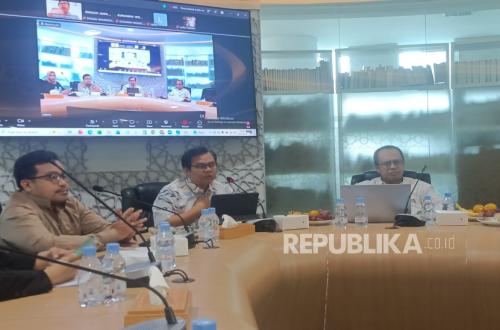
The concept of making zakat a direct tax credit is believed to significantly boost enthusiasm for charitable giving. However, this proposal put forward by zakat activists in Indonesia requires comprehensive study. This emerged during a Philanthropy Journalism Focus Group Discussion themed ‘Full Tax Credit: Opportunities and Challenges’, a collaboration between the Halaqah Tadarus Al-Qur’an Foundation, the National Zakat Board (Baznas) RI, House of Representatives (DPR) Commission VIII, and Lazismu at the PP Muhammadiyah Building, Jakarta, Saturday (18/7/2026). Deputy Chairman of DPR Commission VIII, Singgih Januratmoko, welcomed the discussion on integrating zakat into the national tax system. He noted that Indonesia has enormous zakat potential, given that around 85 percent of its more than 280 million population are Muslim. He stated that zakat is not only a religious obligation but also an instrument of wealth redistribution capable of reducing social inequality, strengthening solidarity, and empowering communities. ‘Zakat is an instrument of wealth redistribution. Those who are able can channel their zakat to people in need, thereby improving welfare,’ he said. Singgih explained that current Indonesian regulations already accommodate zakat as a deduction from taxable income. However, the idea of making zakat a tax credit is worth discussing as it could potentially increase public enthusiasm for giving zakat while simultaneously strengthening the national sharia economic ecosystem. Nevertheless, he cautioned that implementing such a policy requires comprehensive study, including aspects of regulation, fiscal impact, administrative systems, and governance.