
Tax Authorities Pursue Multinational Corporations Over Transfer Pricing
The US tax authority, the Internal Revenue Service (IRS), is aggressively pursuing US multinational corporations that have been shifting much of their profits to low-tax countries. This practice is estimated to save US corporations at least US$11 billion in 2025 alone, according to estimates from the advocacy group FACT Coalition.
Many business leaders felt relieved when President Donald Trump, on his first day back in office last year, announced that the US would withdraw from the global tax agreement initiated by his predecessor’s administration. That agreement was intended to impose additional taxes on multinational companies prone to tax avoidance.
However, hopes that such a move would end the US government’s efforts to hunt for profits parked abroad have failed to materialise. In May 2026, insurance giant UnitedHealth revealed that the IRS is pursuing it over profits booked through overseas subsidiaries, alleging the company underpaid domestic taxes.
This case is part of the IRS campaign against transfer pricing—a scheme of shifting profits between entities within a single corporate group—which actually began during the Obama administration. The Trump administration has shown no signs of halting this initiative, with the potential value of disputes reaching tens of billions of US dollars.
Coca-Cola in the Spotlight
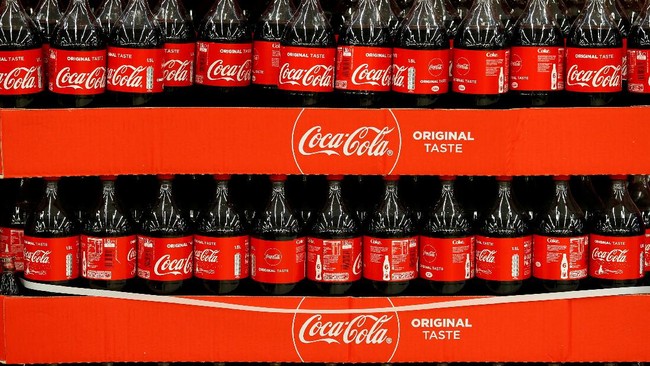
In addition to UnitedHealth, the IRS is also in disputes with biotechnology firm Amgen and social media giant Meta (the parent company of Facebook and Instagram) regarding similar issues. However, the most high-profile case is the dispute with Coca-Cola, which tax lawyers have dubbed the ‘Super Bowl of transfer pricing disputes’.
This dispute has lasted for over a decade. In 2015, the IRS initially demanded an additional US$3.3 billion in taxes from Coca-Cola for the 2007-2009 period, alleging the company improperly moved profits derived from intellectual property, including its iconic logo, overseas.
Due to protracted legal processes and Coca-Cola continuing similar practices while the case is ongoing, the dispute value has now ballooned to US$20 billion. Coca-Cola has defended itself by arguing that its overseas subsidiaries have undertaken high-value marketing investments, justifying significant returns. The company also claims it is merely following agreements made with the IRS since 1996 regarding profit sharing.
Interestingly, Coca-Cola and other companies targeted by the IRS appear relatively calm in responding to these cases, at least publicly. As of July 2026, Coca-Cola has only set aside approximately US$530 million for potential tax liabilities, which could reach US$14 billion if it loses in court.
Meanwhile, Amgen settled a shareholder lawsuit last July that accused the company of underestimating the risks of its tax disputes. A federal judge even criticised Amgen’s disclosures, comparing them to a child telling their parents they only ate ‘dessert’ when they had actually finished ‘an entire cake’.
Steven Wrappe from the accounting firm Grant Thornton estimates that if the IRS wins its largest transfer pricing cases, the US government could potentially recover around US$100 billion from a small group of companies, including penalties and interest. This figure is equivalent to approximately one-fifth of total US corporate income tax receipts in 2025.
Nevertheless, in the short term, expanding this campaign remains difficult as the IRS budget was actually cut during the Trump era, leaving agency staff overwhelmed. However, in the long term, transfer pricing disputes are predicted to become more frequent.
One driver is the increasing proportion of corporate value derived from intangible assets, such as brands and intellectual property, which are much easier to ‘move’ administratively without needing to relocate physical assets. According to advisory firm Ocean Tomo, the proportion of intangible asset value relative to total corporate value in the US S&P 500 index surged from 17% in 1975 to 92% in 2025.
Another factor driving more such disputes is the ballooning US national debt, meaning multinational corporations are likely to be asked to bear a larger share of that burden in the future.