
Tata Motors Partners with Chery to Develop Premium EV Brand
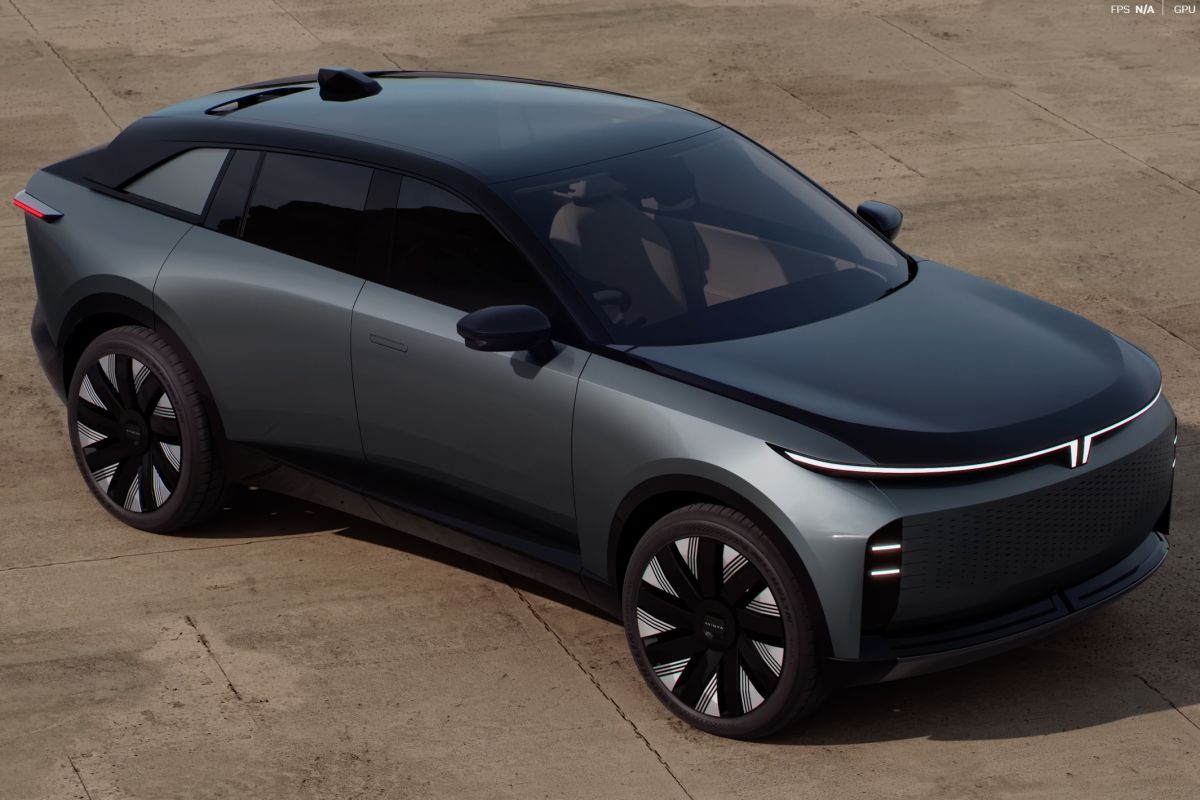
India (ANTARA) - Indian automotive manufacturer, Tata Motors, will use a platform from Chery to produce their electric vehicles (EVs) locally, with plans to launch at least two models, the first of which is scheduled for 2027.
The Indian news outlet, The Hindu, reported on Wednesday (June 3rd) that Tata Motors plans to license an automotive platform from Chery to revive its premium EV project under the Avinya brand, which had been delayed.
Tata stated that it will utilise the Freelander platform, developed through a joint venture between Chery and Jaguar Land Rover (JLR) in China. The vehicles will be produced at Tata’s newly opened factory in Tamil Nadu, southern India.
Although Chinese automakers still largely lack broad access to the Indian automotive market, which is the third largest in the world, their technology is increasingly becoming indispensable as local manufacturers rely on it to remain competitive in the global EV market.
This strategy marks a shift from Tata’s initial plan, where the leading Indian electric car manufacturer intended to use JLR’s Electrified Modular Architecture (EMA) platform for the Avinya model, originally targeted for launch in 2025.
The agreement to use the Chery platform is expected to make up for lost time and provide Tata with access to advanced features and technology that would take longer and require greater investment to develop independently.
The first Avinya model using the Chery platform is scheduled for 2027 and will be shipped from China in kit form for assembly in India.
Efforts to increase the use of local components are also underway. One source added that a second EV model will be launched in 2029, with the possibility of introducing two additional models after that.
“Avinya is being developed as a global premium brand. Our collaboration with JLR and its partners will be one of the key pillars in our global journey in the premium electric vehicle segment,” said Tata.
Meanwhile, Chery stated that the collaboration with Tata is a continuation of its successful collaboration with JLR.
“Chery will act as a supplier to Tata Motors Passenger Vehicles. Each project will be carried out based on a separate agreement with standard commercial terms,” said the Chinese automaker.
JLR has also appointed Chery, its long-time partner, to develop and produce electrified vehicles, including pure electric vehicles and hybrids, under the revived Freelander brand. These vehicles will use Chery’s architecture and be produced at the company’s factory in Changshu.
One source described the deal with Chery as a “temporary solution” because without new products, Tata risks losing its position as the market leader in electric vehicles.
He added that the company still plans to develop its own dedicated platform in the long term.
Current electric vehicle models account for 14 percent of Tata’s total sales. The company is targeting this figure to more than double to 30 percent by 2030.
However, competitors such as Mahindra & Mahindra and JSW MG Motor are closing in on Tata’s position, indicating a gap in the company’s EV product range and increasing the risk of further market share losses.
Discussions about this deal reflect a broader shift in the Indian automotive industry. Indian automakers are increasingly importing electric vehicle technology from China, but are avoiding deeper equity partnerships due to political sensitivities.
Since 2020, the Indian government has imposed strict restrictions on investment from neighbouring countries, particularly targeting China. This policy has effectively halted large-scale participation by Chinese companies in the Indian automotive industry.