
Task Force Head Urges Aceh's Post-Disaster Handling to be Tailored to Regional Conditions
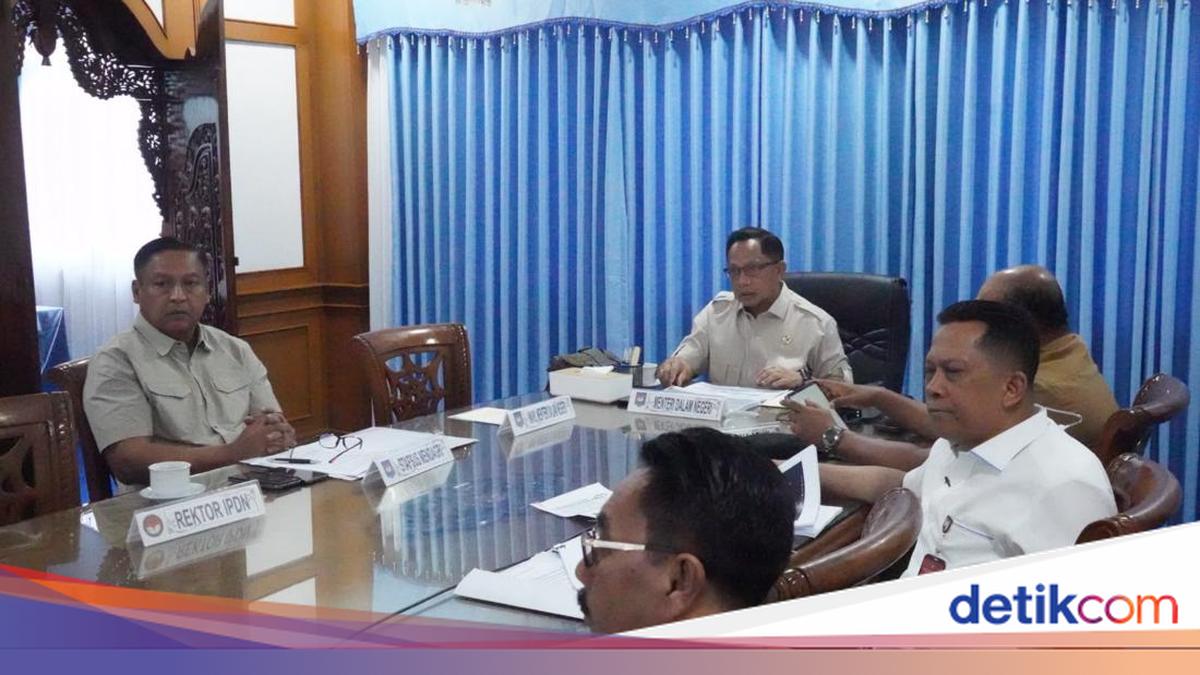
The Head of the Post-Disaster Rehabilitation and Reconstruction Acceleration Task Force (Kasatgas PRR) for Sumatra, Muhammad Tito Karnavian, has asked the district and city governments in Aceh to adjust the determination of post-disaster handling phases to the conditions of their respective regions.
In his directions, Tito expressed appreciation to the Aceh Provincial Government and relevant parties for initiating the meeting on concluding the emergency transition period. According to him, the forum is important to ensure that post-disaster handling proceeds in accordance with the phases and the needs of communities on the ground.
He explained that post-disaster handling consists of three main phases: the emergency response period, the transition period, and rehabilitation and reconstruction (rehab-recon). During the emergency response period, the main focus is on saving lives, evacuation, and addressing emergency conditions. The transition period is then directed at restoring affected infrastructure and basic services.
“Roads are made functional again, bridges are made functional, even if perhaps not yet permanent,” Tito said in his statement on Tuesday (28 July 2026).
Tito delivered these remarks virtually from Sumedang Regency at the Meeting on the Conclusion of the Emergency Transition Period for Disaster Handling in Aceh, held that day.
Tito revealed that the rehab-recon phase is a more permanent form of development. At this stage, repairs are carried out not only to restore prior conditions but are also directed towards improvement, such as greater resilience to disaster risks.
Because it is permanent in nature and uses a special budget, the administrative and procurement processes in the rehab-recon phase must follow normal provisions, as in development implementation generally. This differs from the emergency response and transition periods, which emphasise speed.
Tito stated that Aceh Province may declare the end of the post-disaster handling transition period. However, he reminded that conditions in each district and city are not always the same, so the determination of handling status needs to be adjusted to each area’s circumstances.
“But for districts and cities that consider they still need transition conditions, or perhaps are still in emergency response status, they should not be forced into the rehab-recon period,” Tito said.
Tito assessed that the disaster characteristics in a number of Aceh’s regions differ from disasters that occur once and then end. In several areas, the threat of floods and landslides may still recur.
Therefore, Tito said, areas still facing high risks should be given room to maintain the transition period, or even to re-declare emergency response status if necessary. According to him, this approach is important so that handling can be carried out more quickly and in line with the needs of affected communities.