
Task Force Chief Clarifies Handling of Enang-Enang Bridge in Aceh
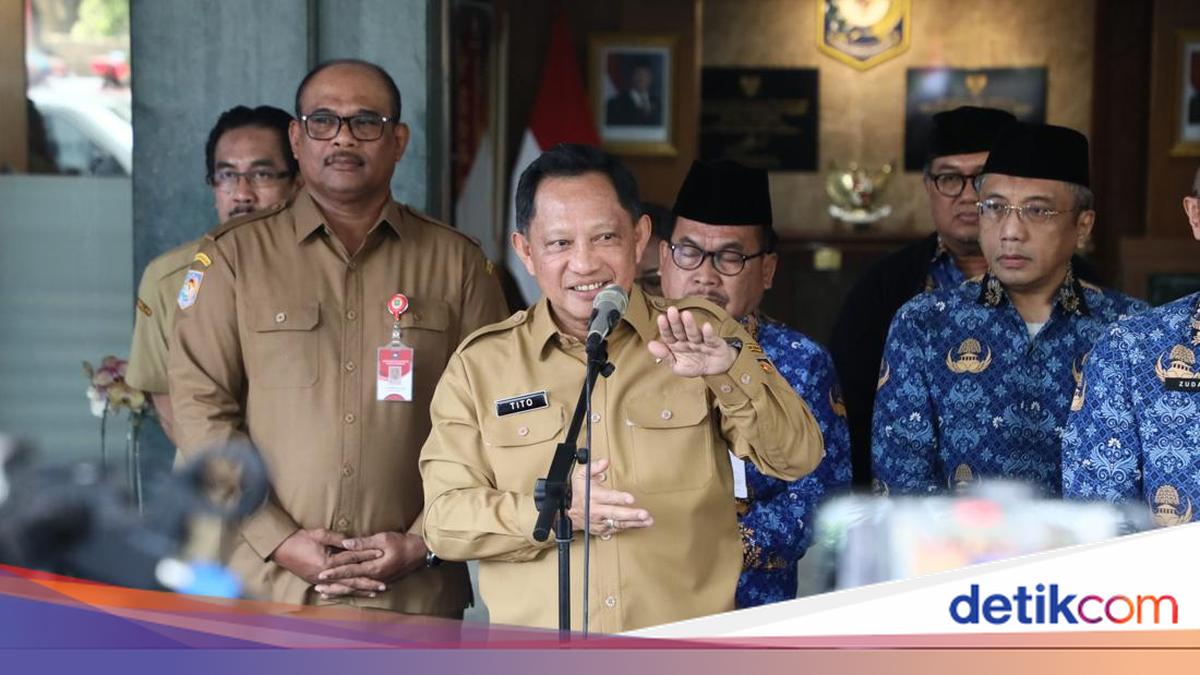
Minister of Home Affairs Muhammad Tito Karnavian, who also serves as the Head of the Task Force for the Acceleration of Post-Disaster Rehabilitation and Reconstruction (PRR) in Sumatra, has clarified that the government has addressed access issues at the Enang-Enang Bridge in Bener Meriah Regency, Aceh. He conducted a direct inspection of the site following reports that residents had built a bridge independently due to a perceived lack of government attention. After dialogue with the community and an on-site review, he found that the bridge was an old structure that had not been destroyed by the flash flood. Instead, the damage occurred because the supporting soil had subsided, causing the structure to tilt and become unsafe for use. According to Tito, the local Public Works Agency had actually arrived first and begun handling the situation. However, a difference of opinion emerged because residents wanted to continue using the route, while the Aceh National Road Implementation Agency under the Ministry of Public Works assessed that the ground conditions were still unstable and potentially dangerous for users. ‘Because they saw that this bridge was vulnerable, severely tilted, and the landslide on one side was very extensive,’ Tito said in a statement on Monday (13/7/2026). He made the remarks while receiving a donation of five ambulances from the Civil Service Corps (Korpri) at the Ministry of Home Affairs office in Jakarta. The Public Works agency had requested residents use an alternative road, but residents felt the detour was too long and the road was full of potholes, so they insisted on using the old bridge. Residents then created a temporary access point on the collapsed section so vehicles could pass, but the agency stated it could not bear the risk if the bridge were used again. ‘It is not that the community built this bridge,’ he stated. Through mediation by the PRR Task Force, it was agreed that the old bridge would be retained with structural reinforcements as a temporary solution. He noted that the bridge would be difficult to restore to its original condition, so only two-wheeled vehicles and light vehicles would be permitted to cross. ‘Essentially, this old bridge is very difficult to return to normal; it is very severe,’ he said. Meanwhile, the government will build a new, stronger bridge and repair the alternative detour route, with construction of a supporting bridge set to begin in July 2026. Tito clarified that the issue was not a lack of government attention, but rather a difference of opinion regarding the safety aspects of using the access point in the disaster-affected area. ‘It is not that the government is not paying attention, no, it is a difference of opinion between the Public Works Agency and the community,’ he asserted.