
Taro Village Takes Part in 2026 Anti-Corruption Village Assessment
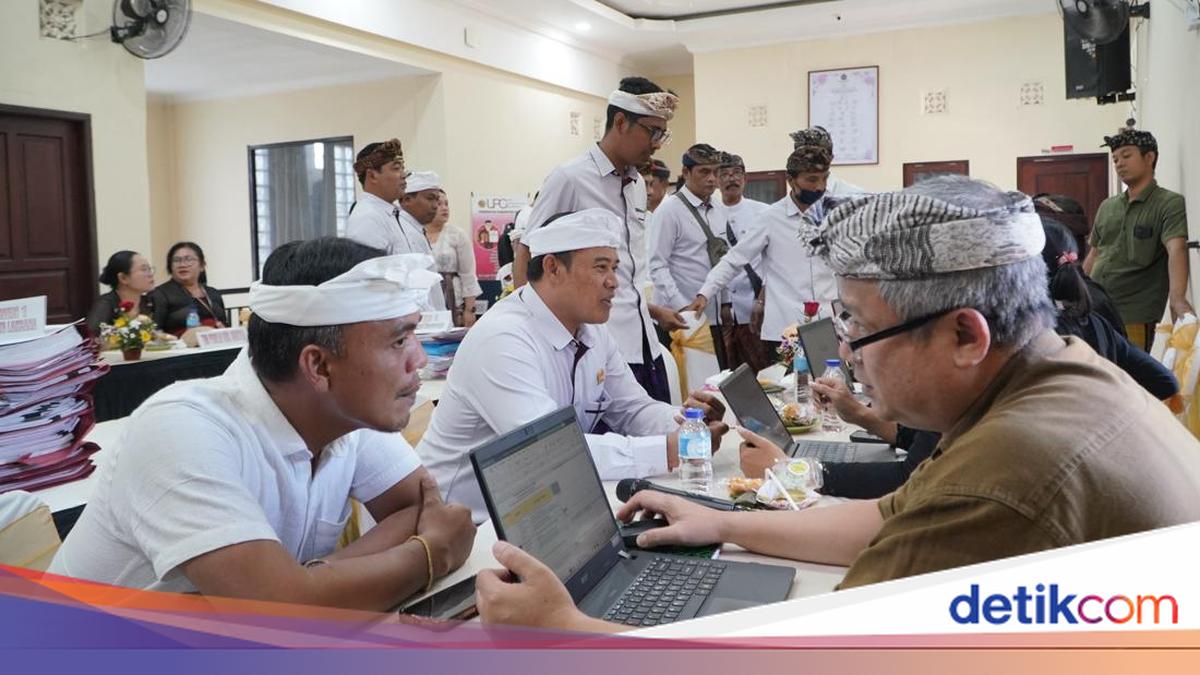
Taro Village in Tegallalang District is taking part in an assessment for the Anti-Corruption Village Pilot Programme, conducted by the Bali Provincial assessment team at the Taro Village Office on Thursday (22 October). The assessment is part of the expansion of the pilot programme in Gianyar Regency.
Gianyar Regency Inspector Ni Putu Darmiyanti said corruption was an extraordinary crime that required an extraordinary response. Anti-corruption efforts could not rely solely on prosecuting offenders, she said, but also needed to prevent corruption by improving systems and fostering anti-corruption behaviour and culture.
“To bring anti-corruption values down to village level, large-scale activities are needed to act as a trigger—not only for village officials who run the administration, but also for all elements of the community, including religious, community and customary leaders, young people and women. They should all help build the village’s character, placing integrity at the heart of everyday life,” Darmiyanti said.
She said the Gianyar Regency Government was committed to continuing to promote integrity in government at every level, including in villages. Darmiyanti hoped the expansion of the Anti-Corruption Village programme in Gianyar would become a sustained collective movement, enabling good governance practices to be applied consistently and serve as an example to other villages.
“Use this assessment as an opportunity to reflect and improve, not merely as a ceremony or an exercise in completing documents. Treat every piece of feedback from the assessment team as an opportunity to improve the quality of village governance. The anti-corruption village designation is not an end in itself, but a continuing commitment that must be demonstrated in our daily service to the community,” she said.
Ni Made Sri Astuti, deputy coordinator of the Bali Provincial Anti-Corruption Village Pilot assessment team and secretary of the Bali Provincial Office for the Advancement of Indigenous Communities, said the programme of the Corruption Eradication Commission (KPK) aimed to create clean, transparent and accountable village governance by integrating anti-corruption principles through five components and 18 indicators.
These comprise strengthening administrative procedures, with five indicators; strengthening oversight, with three; improving the quality of public services, with five; strengthening community participation, with three; and strengthening local wisdom, with two.
“I hope village officials will demonstrate their integrity and commitment to establishing an anti-corruption village by prioritising the principles of preventing and combating corruption,” she said.
The assessment began with a presentation by Taro Village Head I Wayan Warka on how the village met the Anti-Corruption Village indicators. The team then held a question-and-answer session for clarification and confirmation, verified documents, visited the village office and village-owned enterprise (BUMDes), and inspected development project sites. At the end of the event, the Bali Provincial team gave the Taro Village Government recommendations and feedback for follow-up.
Source: jawawa.id (https://jawawa.id/newsitem/taro-village-takes-part-in-2026-anti-corruption-village-assessment-1792684227)
Originally published by detikBali (https://www.detik.com/bali/berita/d-8719797/desa-taro-ikuti-penilaian-desa-antikorupsi-2026), translated from Indonesian