
Tarakan Environmental Agency Reveals Active Coal Deposits Suspected of Triggering Forest and Land Fires
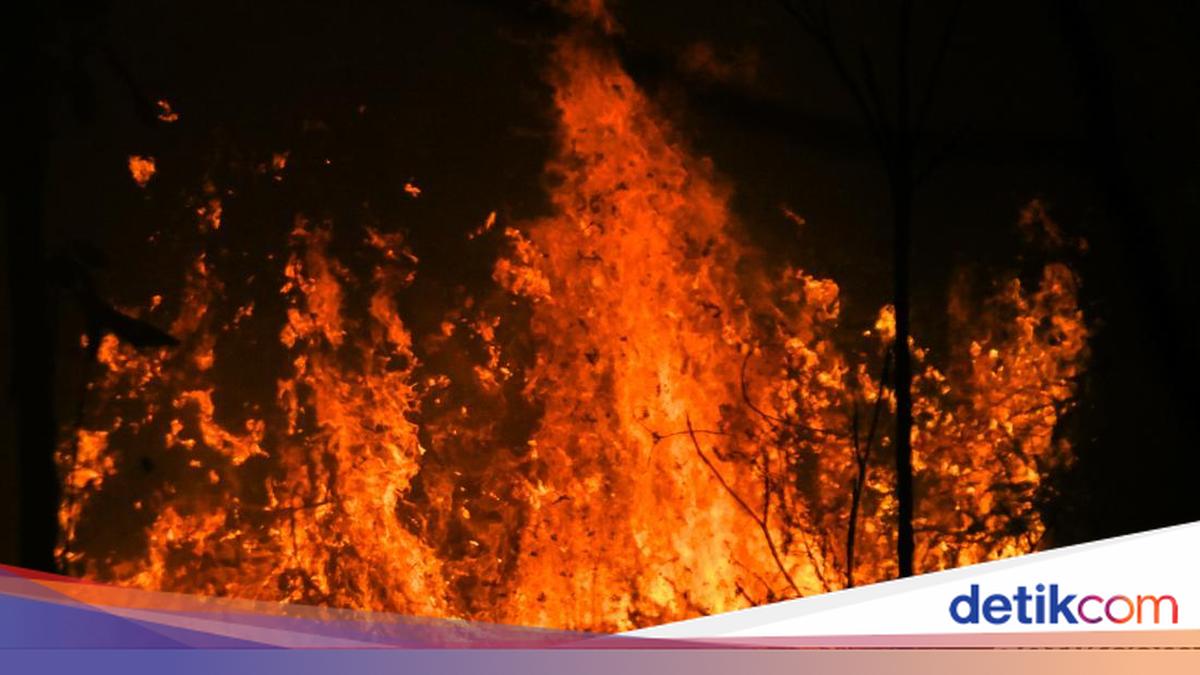
Forest and land fires have occurred in Tarakan City, North Kalimantan. The Tarakan Environmental Agency suspects the fires are not only triggered by land clearing activities, but also by active coal deposits located beneath the ground surface.
According to detikKalimantan on Saturday (22/8/2026), the Head of the Pollution Control and Environmental Damage Division at the Tarakan Environmental Agency, Chaizir Zain, said the potential for active coal is widely found in the East Tarakan area. One such location is in the scrubland around Borneo Tarakan University up to the road leading to Amal Beach.
“As far as we know, one of the triggers of the land fires is indeed coal. In this East Tarakan area there is coal content in the scrubland that can trigger fires. There is no need for land burning; sometimes it can ignite on its own,” said Chaizir.
According to him, extreme weather conditions also contribute to the coal catching fire. He said the lack of rainfall and hot temperatures cause the coal to release calories or natural heat.
“When those calories interact with the wind and come into contact with dry scrubland, smoke and flames will immediately be created,” he explained.
He said the quality of coal in Tarakan is relatively low. However, its calorie content is considered sufficient to generate heat that can trigger fires in the vegetation above it.
Chaizir urged the public to pay attention to firefighting methods when land fires are triggered by coal. He said that for extinguishing such fires, the Environmental Agency recommends cutting off the air supply, either by using special chemical foam or by directly burying the area with soil.
Source: jawawa.id (https://jawawa.id/newsitem/tarakan-environmental-agency-reveals-active-coal-deposits-suspected-of-triggering-forest-and-land-fires-1787367100)
Originally published by detikcom (https://news.detik.com/berita/d-8629594/dlh-tarakan-ungkap-batubara-aktif-diduga-ikut-picu-karhutla), translated from Indonesian