
Tanjungpinang Health Department: Immunisation Effective in Preventing Measles Spread
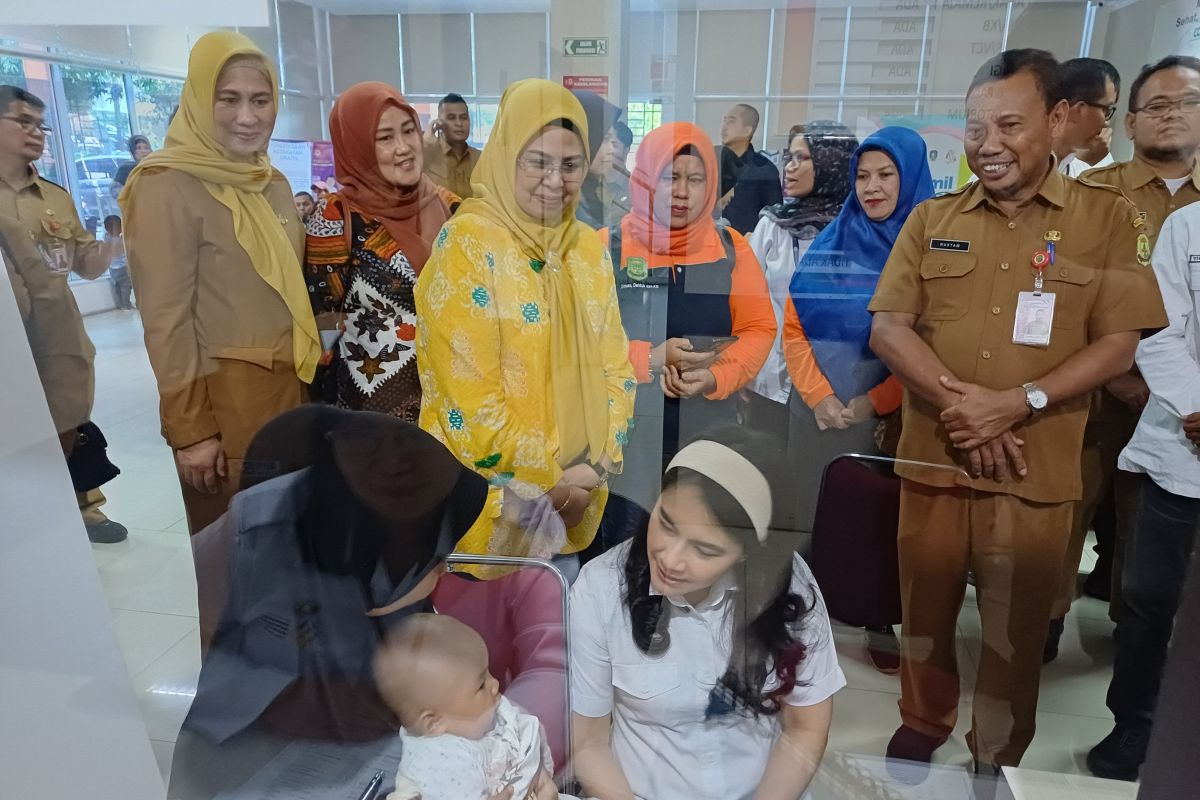
Tanjungpinang (ANTARA) - The Tanjungpinang City Health Department (Dinkes) in Riau Islands Province (Kepri) stated that the government’s immunisation programme is effective in preventing measles outbreaks in the area. Head of Tanjungpinang Health Department Rustam confirmed there has been no surge in measles cases in the provincial capital. “This achievement is due to community participation in regularly bringing their children for immunisation at health facilities,” Rustam said in Tanjungpinang on Saturday. In 2025, there were ten measles cases and two rubella cases recorded in Tanjungpinang. In 2026, 26 suspected measles cases were reported, with some samples sent for laboratory testing. He stated that measles cases in the area remain relatively safe and controlled. Rustam explained that measles immunisation is part of the national immunisation programme administered to children at specific ages to protect against the disease. He explained that immunisation is given in three main doses. The first dose is administered at nine months of age as initial protection. This is followed by a booster dose between 15 and 18 months, and a third dose at five to seven years old, or when children start primary school. “Side effects are typically mild, such as fever after immunisation, which is normal. It does not cause severe side effects in children,” he said. Rustam also explained that measles is an acute viral infection that is highly contagious and affects the respiratory system, marked by a red rash across the body. The disease is caused by the Morbillivirus and primarily affects children, though anyone without immunity can be infected. In addition to the measles vaccine, Rustam added that the government provides various other immunisations based on a child’s age, such as hepatitis B at birth, and vaccines to prevent polio, pertussis, and severe diarrhoea. Immunisation services for infants and toddlers are available monthly at posyandu (integrated health posts) and puskesmas (community health centres). Parents can also monitor their child’s immunisation schedule via the maternal and child health book provided by health officials. “Services are available every month, but each child has a specific schedule based on their age,” Rustam said.