
Tanjung Priok Port Residents Receive Eid Aid
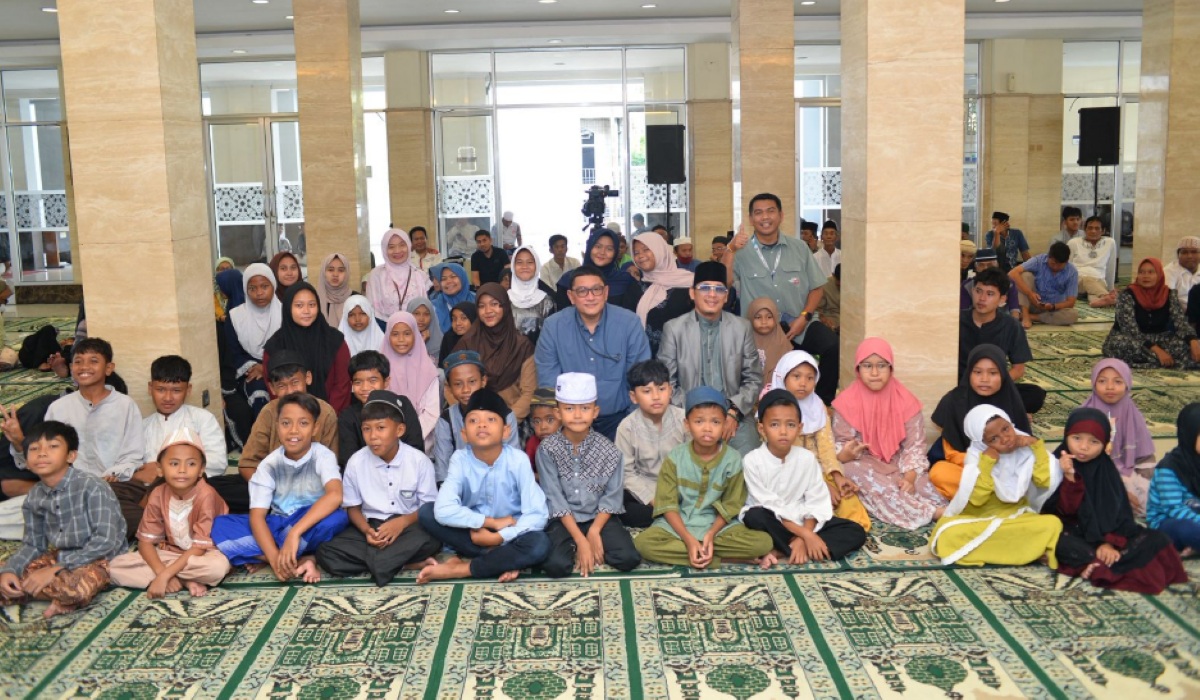
A port is not only a centre for logistics and trade activities, but also part of the life of the surrounding community. This was demonstrated by Jakarta International Container Terminal (JICT), which distributed aid to 400 orphaned and disadvantaged children in the Koja District of North Jakarta on Friday (13/3/2026) ahead of Eid al-Fitr 1447 Hijriah.
“Through this activity, we wish to share joy with orphaned and disadvantaged children, whilst supporting community worship facilities in preparation for Eid al-Fitr,” said JICT Chief Executive Officer Ade Hartono in North Jakarta on Friday (13/3/2026). In addition to providing aid and Eid necessities packages to beneficiaries, JICT distributed support facilities to 30 prayer rooms in the Koja area in the form of drinking water dispenser equipment to support community worship activities.
The company also distributed 396 essential goods packages to dock workers (TKBM) who have played an important role in supporting the terminal’s operational activities. The distribution of these provisions packages was provided as a form of appreciation to port workers who are part of the logistics ecosystem at Tanjung Priok Port.
As the international container terminal operator at Tanjung Priok Port, JICT is located at one of Indonesia’s most important logistics hubs. The port handles the majority of Indonesia’s international trade flow and serves as the main gateway for national goods distribution.
In the midst of high economic activity, JICT’s location is directly adjacent to coastal communities living in the port’s operational area. “We hope this activity can strengthen the relationship between the company and communities around the port, while also being part of efforts to provide tangible benefits to the surrounding environment, especially for orphaned and disadvantaged children, port workers, and people in need,” he concluded.