
Tangerang's Kartini from Cikuya: Siti Rises from Layoffs through Batik
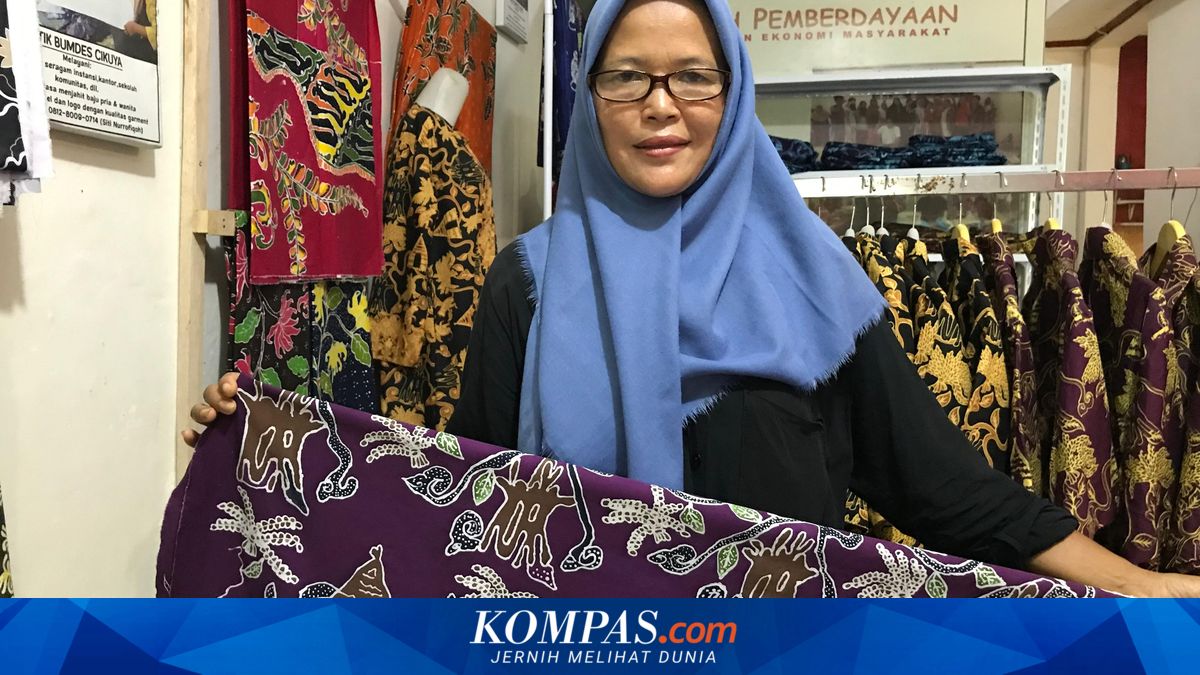
A row of brightly coloured batik fabrics hangs neatly in a simple house in Cikuya Village, Solear, Tangerang Regency. Various motifs are depicted on fabrics in black, brown, blue, and purple. From the monkey motif at the Solear Sacred Tomb, the silhouette of huts at Tebing Koja, to the monument in Tigaraksa. Each batik motif painted on the fabric holds a story born from the hands of local women. The displayed fabrics serve as proof that from despair, hope has been woven and continues to be preserved in that place. “All of this is the work of the women here,” said Siti Nurrofiqoh (51), the founder of Rumah Batik Cikuya, when met by Kompas.com at the location on Tuesday (22/4/2026). For Siti Nurrofiqoh, the Covid-19 pandemic became the turning point for everything. When factories stopped operating and many women lost their jobs, Siti saw the situation not only as a crisis but also as a call to action. “Many were laid off, confused about what to do. From there, I thought that women must have economic independence,” she said. Siti is no stranger to the harsh world of work. Since 1993, she has moved from one factory to another. During that time, she witnessed various labour rights violations. When the pandemic struck, Siti saw the conditions she had once experienced now felt by many women around her: loss of jobs, limited skills, and still having to meet living needs. Instead of staying silent, she chose to act. The initial step was simple. Siti invited six women in her neighbourhood to learn batik-making. The invitation was conveyed informally, such as during religious study sessions, savings groups, and community meetings.