
Tangerang Prison produces cost-effective construction materials from coal waste
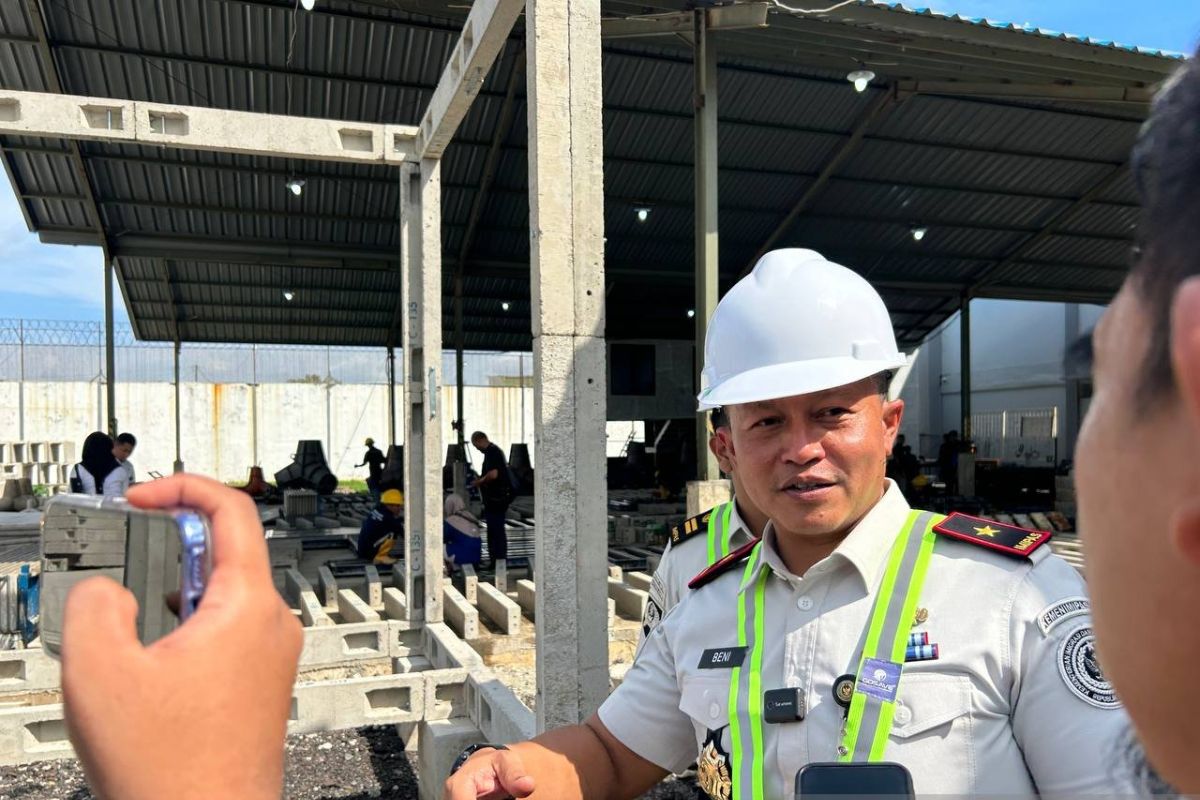
Tangerang Class I Prison, Banten produces economically valuable construction materials through an industrial downstreaming programme based on utilising coal combustion waste (fly ash and bottom ash/FABA). Tangerang Prison Chief Beni Hidayat, interviewed in Tangerang on Tuesday, stated that this productive rehabilitation programme involves 72 inmates in producing construction materials such as paving blocks, pressed bricks, roster panels, fence panels, modular houses, and ‘tetrapod’ wave breakers. ‘The main advantage of these products lies in construction cost and time efficiency,’ said Beni. Tetrapods are four-legged concrete structures used as breakwaters. He explained that the construction materials produced at Tangerang Prison are managed by Jawara Beton, utilising coal combustion waste from PLN-operated power plants (PLTU). Currently, construction materials production is ongoing, with Jawara Beton’s building materials now entering the national property market, directly absorbed by major developers such as PT Summarecon Agung Tbk. Jawara Beton’s construction materials have been used in physical housing projects for civil servants (ASN) under the Ministry of Imipas in West Cikarang and Central Cikarang. According to Beni, utilising waste materials allows Jawara Beton’s products to be sold at up to 10 percent lower prices than conventional market alternatives. In terms of physical construction, traditional housing structures take 15 to 20 days to complete, whereas Jawara Beton’s Tangerang Prison-developed structures are finished in just eight to 15 hours. To ensure market competitiveness, Tangerang Prison monthly tests the mechanical strength of its products at PT Wijaya Karya (WIKA) laboratory, achieving a robust K300 concrete quality standard. Regarding inmate involvement, Beni explained that out of 1,500 inmates at Tangerang Prison, only 72 are participating in the Jawara Beton programme. Those involved have undergone rigorous assessment and vocational training with instructors from power plants, WIKA, and HSP Academy. Beni stressed that this education aims to equip inmates with the skills to capitalise on local economic opportunities upon release. Under this programme, Tangerang Prison has implemented a fair work premium system to reward the 72 participating inmates, who receive payments of Rp2,000 per tray of produced paving blocks. The payout scheme is distributed proportionally for the inmates’ future. ‘50 percent can be withdrawn daily for in-prison needs, with the remaining 50 percent automatically saved as startup capital for their new lives,’ Beni said.