
Tangerang Intensifies Integrated Farming System to Strengthen Food Security
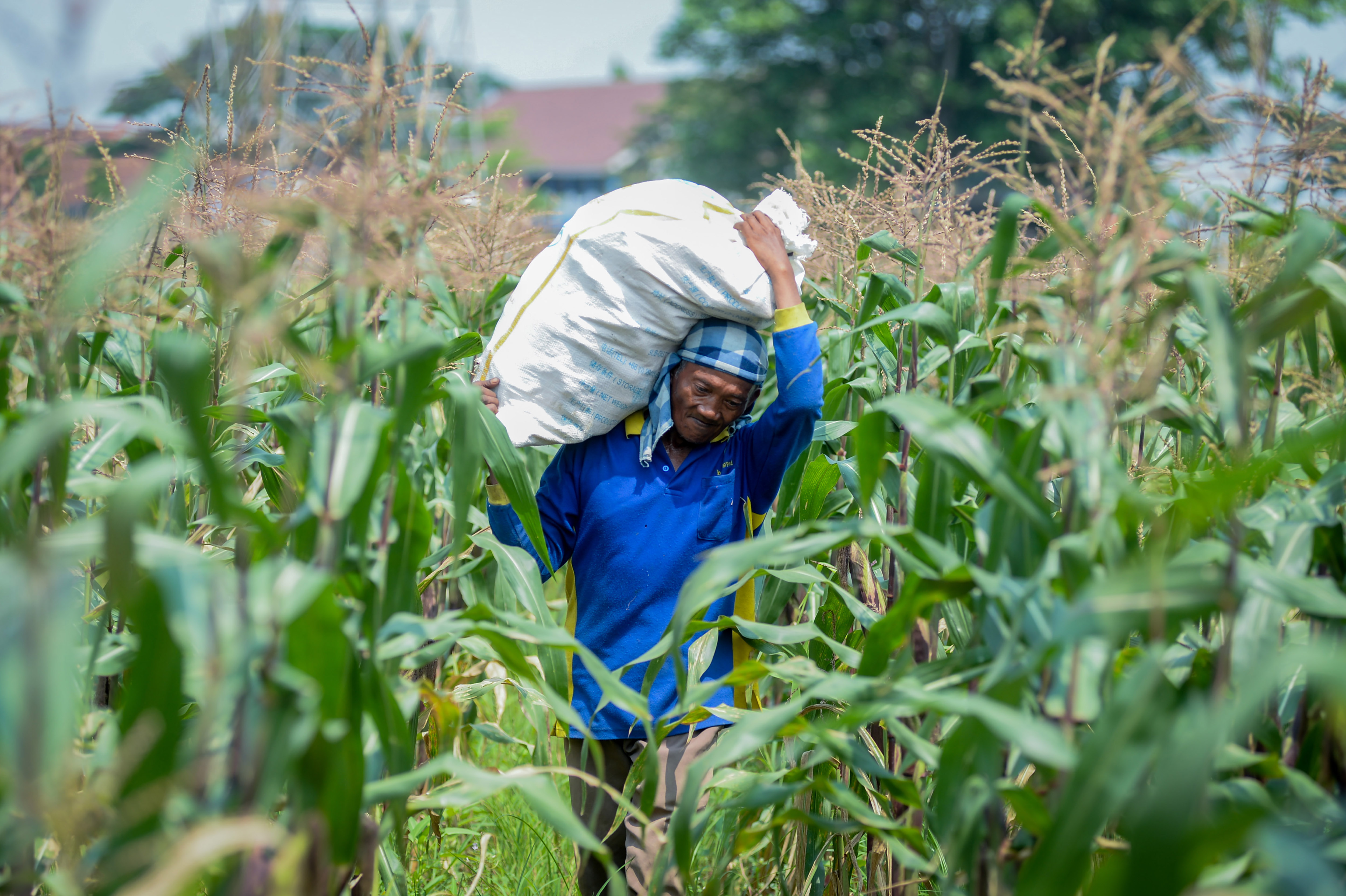
The Tangerang Regency Government, Banten Province, has begun intensifying the implementation of integrated farming systems to support the strengthening of food security in the region.
Endang Setiawan, Head of the Agricultural Extension Division, stated in Tangerang on Saturday (6/6) that this scheme—which integrates agriculture with livestock and fisheries within a single area—is designed to encourage the younger generation to engage in farming. The initiative also aims to strengthen regional food security through adaptation to modern agricultural technology and innovation.
“We want to establish a successful model of modern agriculture here first. In the future, this concept will serve as a pilot project and a benchmark ready to be replicated in other sub-districts across the Tangerang Regency,” he explained.
He emphasised that training activities related to the integrated farming scheme are being implemented in Margasari Village, Tigaraksha District. This is not merely seasonal training, but a strategic pilot project carefully prepared for the future of the region’s agribusiness.
Endang added that the integrated farming concept is considered highly appropriate for millennial farmers, as it offers a solution to land limitations through high efficiency, where the agricultural, livestock, and fishery sectors support each other within a zero-waste ecosystem.
He highlighted the significant challenges facing the agricultural sector, namely the declining number of farmers of productive age and the increasing food demand alongside the population growth in Tangerang Regency.
“We are optimistic that through the creative hands of millennial farmers equipped with integrated farming knowledge, the image of agriculture will be elevated. Farming is cool, sophisticated, and very economically promising,” he said.
Meanwhile, the Chairman of the Al-Prakasa Millennial Young Farmers Group, Satria Gusputra, noted that most of the agricultural tools currently used by his group are still manual, but he maintains a futuristic vision for the future of village agriculture.
“Our hope for the future is that the modern agricultural concept we have designed can run fully. We want to implement a digital-based and automated agricultural system, where the Internet of Things (IoT) will play a role in controlling the systems on our land,” he said.