
Tangerang City Government Maps Disease Risks Through Free Health Screening Results
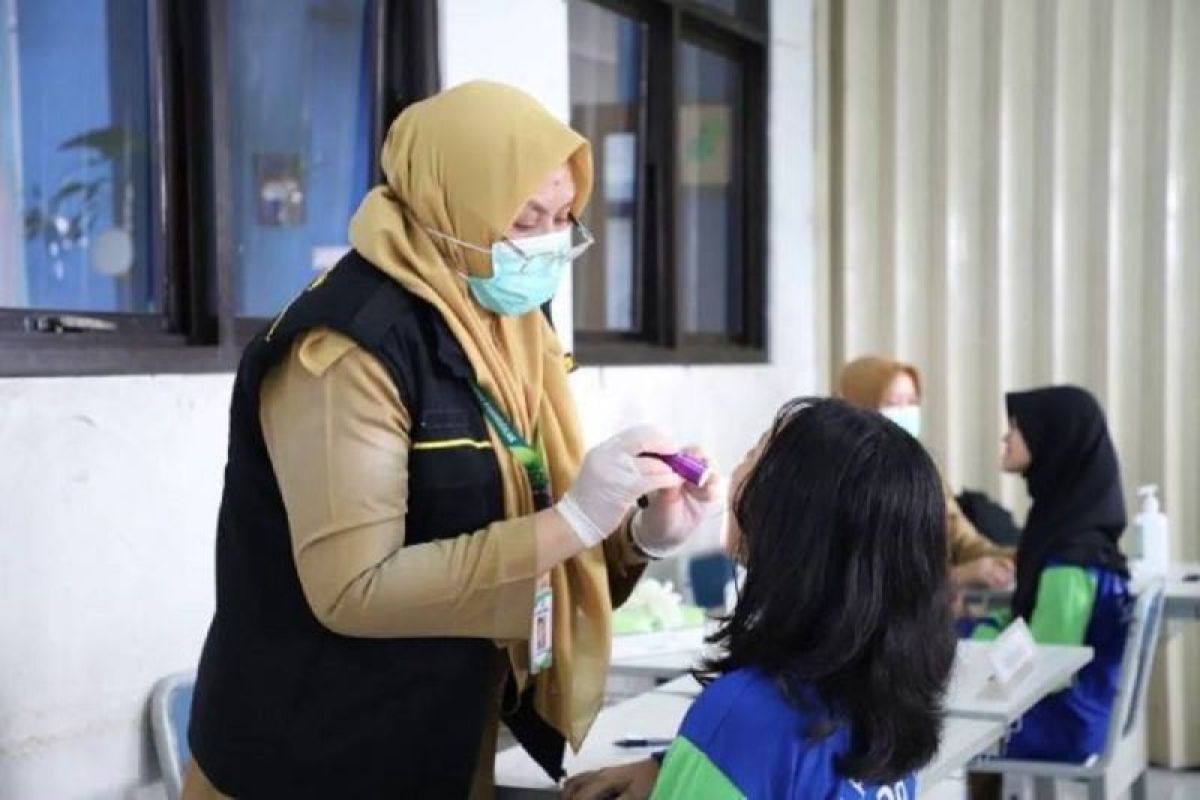
The Tangerang City Government in Banten is mapping public health conditions based on the results of free health screenings conducted by community health centres to intervene against various disease risk factors. Head of the Tangerang City Health Office, Dini Anggraeni, stated on Wednesday that risk factors such as hypertension, diabetes, obesity, and nutritional problems were found in every stage of the screening. “Therefore, health centres can later carry out interventions based on the data found so that early mitigation can be done quickly,” Dini said. She noted that from January to 26 June 2026, a total of 658,292 residents had participated in the free health screening programme, equivalent to 32.7 percent of the city’s total population. To expand the service’s reach, the Health Office is actively conducting outreach through schools, offices, communities, companies, and neighbourhood units. Residents can also access the free screening at all community health centres without having to wait for their birthday. The Health Office is urging residents who have not yet participated to immediately take advantage of the service. “Do not be afraid to get examined. By knowing our health condition early, we can stay healthy and productive, and if a disease is found, it can be treated immediately before it becomes more severe,” Dini said. Meanwhile, City Council member Natalie Marbun said that with relatively adequate health facilities, Tangerang City has a great opportunity to expand the reach of the screening service in the coming year through stronger cooperation among stakeholders. She added that throughout 2025, the programme had reached 709,028 beneficiaries, demonstrating good public enthusiasm for preventive health services. Natalie added that the preventive approach allows the public to know their health condition early, so the risk of severe illness can be reduced and the burden on hospitals lessened. “Preventive programmes like this must continue to be strengthened, including ensuring that residents detected with illnesses can receive follow-up treatment and education to adopt healthy lifestyles,” she said.