
Tangerang City Government Distributes Social Assistance to Support the Economy During Ramadan
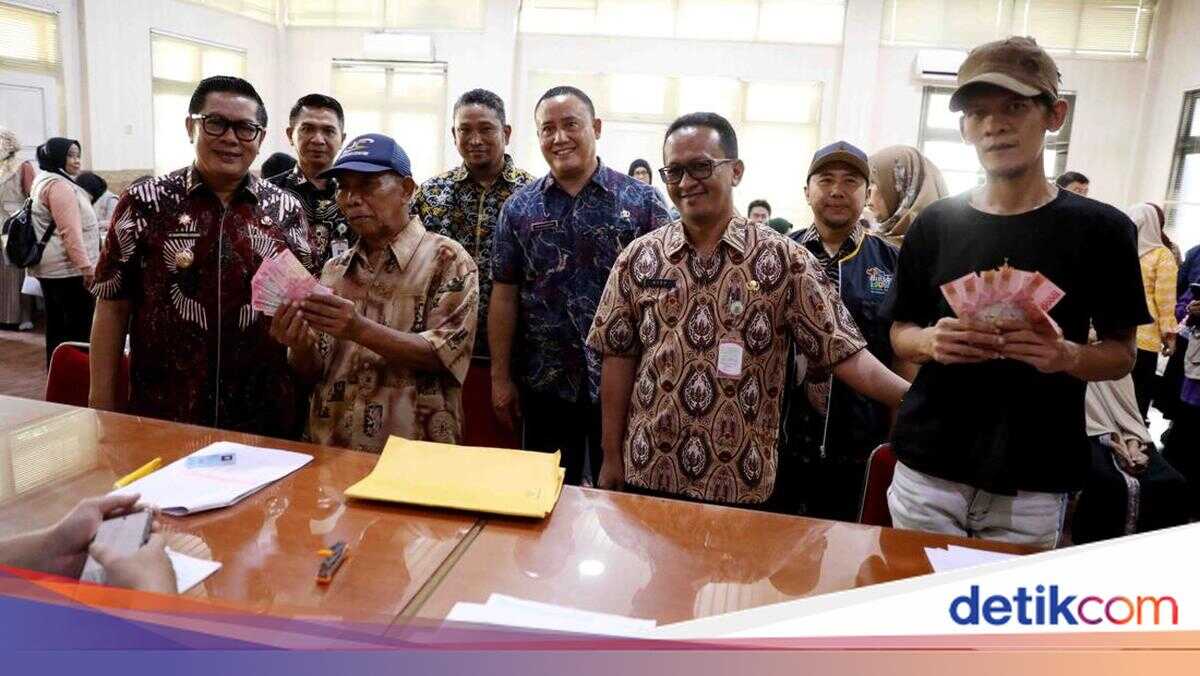
The Tangerang City Government distributed cash assistance to 2,924 residents across 13 sub-districts. The distribution was carried out after a rigorous verification process by Community Social Workers (PSM) at the village level to ensure that the assistance reached the intended recipients.
The Deputy Mayor of Tangerang, Maryono, directly monitored the distribution process in the Pinang and Cipondoh sub-districts. The monitoring was conducted to ensure that the distribution ran smoothly and reached the intended targets.
“The distribution of this social assistance is a commitment by the Tangerang City Government to maintain people’s purchasing power and ease the economic burden, especially during the holy month of Ramadan,” said Maryono in a written statement on Thursday (February 26, 2026).
In the Pinang sub-district, an assistance of IDR 600,000 was distributed through Bank BJB to 238 beneficiaries. Meanwhile, in the Cipondoh sub-district, the social assistance was given to 359 residents.
Maryono hopes that the assistance can be used wisely to meet basic needs during Ramadan.
“The City Government wants the community to be able to carry out their worship in peace, without being burdened by basic needs. We are here to ensure that,” he added.
At the end of the monitoring, Maryono also expressed his appreciation to the Social Service and the PSM team who had carefully verified the data so that the assistance was on target and did not cause polemics.
“Together with the mayor, I am committed to carrying out the community’s mandate with full responsibility, presenting programs that are truly beneficial,” he said.
Meanwhile, the Head of the Tangerang City Social Service, Acep Wahyudi, explained that this social assistance is the first distribution in 2026. The assistance is given to six categories of beneficiaries, namely neglected or poor children, orphans, neglected or poor toddlers, people with disabilities, neglected or poor elderly people, and other non-components who meet the criteria.
This program is expected to ease the economic burden on residents while improving the welfare of vulnerable communities, so that they can carry out Ramadan worship more devoutly and peacefully.
(prf/ega)