
Tambora Sub-District Head Says Temporary Waste Collection Site is Urgent, but No Empty Land Available
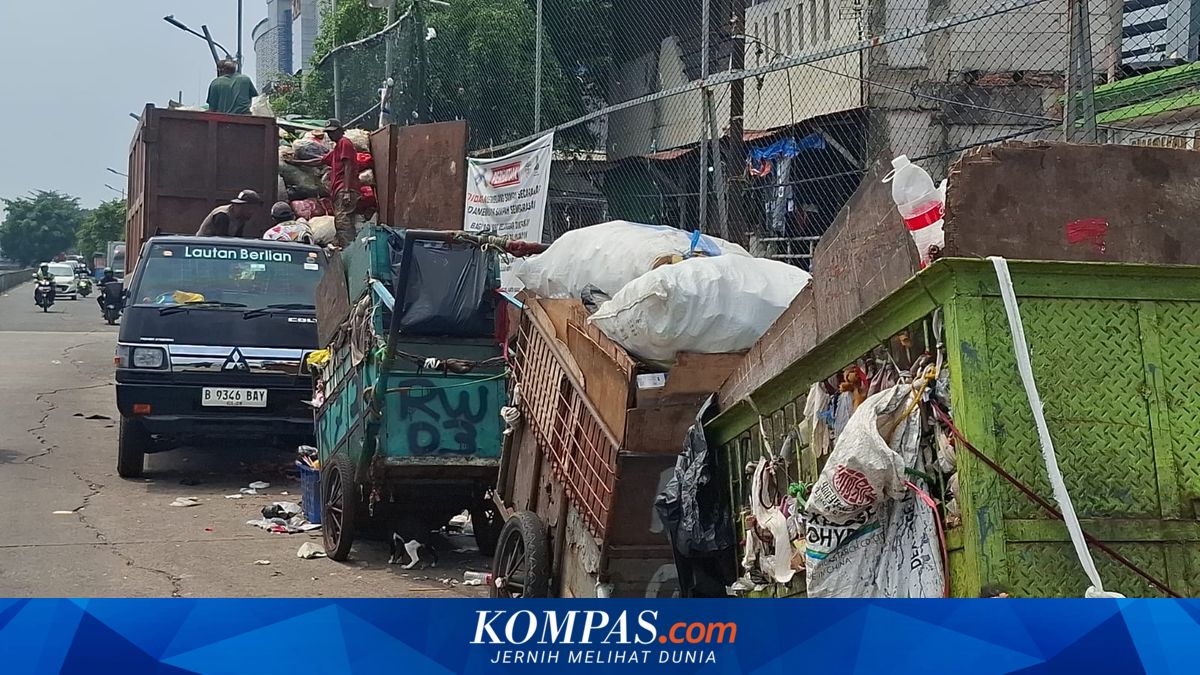
JAKARTA, KOMPAS.com - The Tambora sub-district head, Pangestu Aji, stated that the provision of a proper temporary waste collection site (TPS) in the Kalianyar area of West Jakarta is quite urgent. However, efforts to provide such facilities are hindered by the absence of empty land in the densely populated area. “Yes, in my view, we in Kalianyar don’t have any land. Even if there is land, it’s for sports facilities, like the Persima field, which can’t be used. There are no asset buildings either,” Pangestu said when confirmed by Kompas.com on Monday (30/3/2026). “Tambora sub-district’s official TPS sites are only two. In Tanah Sereal Ward, it’s called TPS 3R Hanura, and the second is the TPS in Duri Utara Ward. That’s it, only two,” Pangestu added. Meanwhile, other waste disposal locations are merely temporary dumping spots that are usually also used to park waste carts. “So, it can be said that the others are unofficial TPS, only temporary storage,” he explained. Besides the land constraints, Pangestu revealed that the waste piling up in Tambora differs from that in other areas, which is typically filled with household waste; instead, it consists of garment waste. “The waste in Tambora sub-district is 70 percent residue. Residue means materials from garment workshop leftovers. Well, these garment leftovers should be handled by business entities, even if they are home-based or household ones,” Pangestu stated. He assessed that the abundance of garment residue requires special handling and joint supervision to prevent it from burdening the waste storage capacity for residents’ waste. As a short-term solution amid land limitations, Pangestu mentioned collaborating with the Parks Sub-Department to utilise green spaces for processing organic waste. “I’ve been asking around, what solutions are there from Environmental Affairs? They said, ‘Sir, do you have park land? We can use it for organic waste.’ Now, we’re planning compost pits,” Pangestu said. In the future, Tambora sub-district will bury organic waste in compost pits in park areas, which will turn into compost within seven days. In addition to composting, Pangestu is also promoting the optimisation of waste banks for inorganic waste such as plastic bottles so that they can be recycled into crafts or other economically valuable items.