
Tamasya Programme Aims to Address Working Women's Needs, Says Deputy Minister
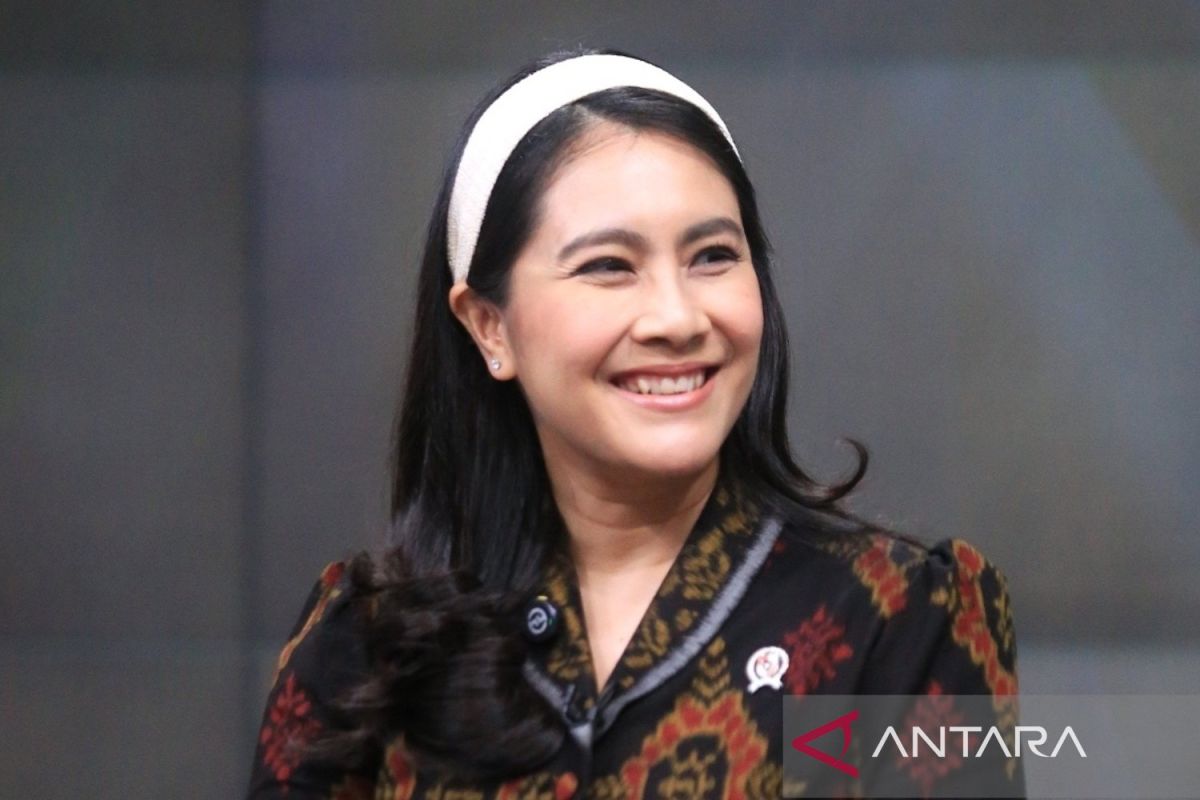
Jakarta (ANTARA) - Deputy Minister of Population and Family Development (Wamendukbangga) Ratu Ayu Isyana Bagoes Oka has stated that the Taman Asuh Sayang Anak (Tamasya) programme can address the needs of working women. Based on a survey by the United Nations Population Fund (UNFPA), the Demographic Futures Survey (2026), around two-thirds of young people globally still wish to marry, and approximately 80 per cent of young people consider having children a source of happiness. However, there are several considerations before marriage and having children, including financial security, stable employment, and emotional stability.
“Following up on the survey results, the Ministry of Population and Family Development/BKKBN is striving to provide solutions, as this is one of the factors influencing whether a woman wants to have children or not. Therefore, one of the policies adopted by the Minister of Population and Family Development/Head of BKKBN, one of the priority programmes, is Tamasya,” she said in an official statement in Jakarta on Wednesday.
Wamen Isyana explained that the Tamasya Programme addresses the needs of women who want to have children but also wish to continue working. Through this programme, the Ministry encourages the establishment of more daycare centres with good caregiving standards, so that working mothers can entrust their children to facilities with proper care practices. “When we talk about childcare, it is mostly associated with mothers. The Ministry is currently promoting a movement to make fathers more aware of being present in caregiving, not just financially but also emotionally for their children, and to participate in caregiving patterns at home,” said Wamen Isyana.
According to Wamen Isyana, another crucial aspect in realising the aspirations of young people who want to build a family is collaboration with relevant ministries and institutions as well as local governments. Meanwhile, UNFPA Indonesia Deputy Representative Verania Andria conveyed that a couple’s readiness to share childcare responsibilities is also a consideration when deciding to marry. “Finding a partner is also apparently an obstacle for young women in choosing whether to marry or not; can they share roles, can they respect each other in family life later,” said Verania.