
Taking Medication Regularly but HbA1c Remains High: Diabetologist Says a Comprehensive Review Is Needed
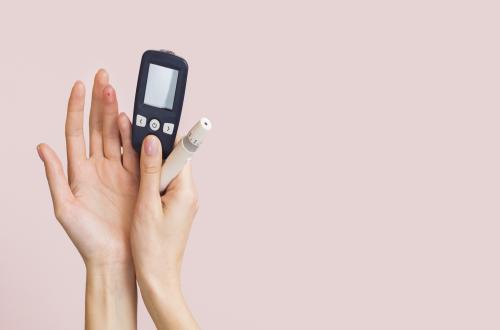
JAKARTA — Taking medication regularly and checking blood glucose do not necessarily mean that diabetes control targets have been met. Some people with diabetes continue to have high HbA1c levels despite following their treatment routinely.
Speaking on the educational programme ‘Today’s Diabetes Topic’, diabetologist and mGanik founder Dr Kelvin Candiago said the situation requires a comprehensive review, from treatment effectiveness to diet, physical activity and daily blood glucose monitoring.
Many people with diabetes believe that taking medication regularly and checking their blood glucose each day are enough to control the condition. However, a test taken at a particular time cannot show average blood glucose over the longer term. HbA1c is one test that can help assess this.
“To see more precisely whether a patient has diabetes, an HbA1c test can be used,” Dr Kelvin said.
HbA1c reflects average blood glucose levels over the previous two to three months. In general, a level below 5.7 per cent is considered normal, while a level of 6.5 per cent or above is one of the criteria for diagnosing diabetes. For people with diabetes, the HbA1c target should be tailored to each patient’s circumstances and reviewed with a doctor.
Controlling HbA1c remains a challenge for many people with diabetes in Indonesia. Several studies conducted at hospitals in the country found that up to 76 per cent of people with type 2 diabetes had HbA1c levels that were not under control.
According to Dr Kelvin, this may be influenced by various factors, including treatment that is not yet suited to the patient’s condition, as well as suboptimal nutrition and monitoring. Diabetes management therefore needs to be comprehensive, involving an assessment of treatment effectiveness, a balanced diet and regular blood glucose monitoring.
Blood glucose meter tests remain important for checking levels at a particular time. However, HbA1c testing is also needed to help assess long-term blood glucose control and determine whether treatment targets have been achieved.
“Diabetes complications are the most frightening thing, so all patients with diabetes need to keep their HbA1c below 6.5 per cent. If it is left above 6.5 per cent, complications usually affect the blood vessels,” Dr Kelvin said.
Nevertheless, HbA1c control can be pursued through consistent, comprehensive diabetes management. Dr Kelvin said keeping blood glucose levels under control throughout the day is an important part of achieving the HbA1c target.
He outlined three steps for daily routines: managing nutritional intake using the 4J method (food type, quantity, timing and cooking method) or the T-plate proportions (half fibre, a quarter protein and a quarter carbohydrates); staying active, for example by walking or doing aerobic exercise for at least 30 minutes a day, depending on one’s health; and getting sufficient rest by maintaining the quality and duration of night-time sleep, generally around seven to eight hours for adults.
Source: jawawa.id (https://jawawa.id/newsitem/taking-medication-regularly-but-hba1c-remains-high-diabetologist-says-a-comprehensive-review-is-needed-1793177608)
Originally published by Republika (https://ameera.republika.co.id/berita/tnlx5s291/sudah-rutin-minum-obat-tetapi-kadar-hba1c-tetap-tinggi-diabetologist-perlu-evaluasi-menyeluruh), translated from Indonesian