
Takeda and Government to Build National Plasma Ecosystem, Investment Reaches Rp 539 Billion
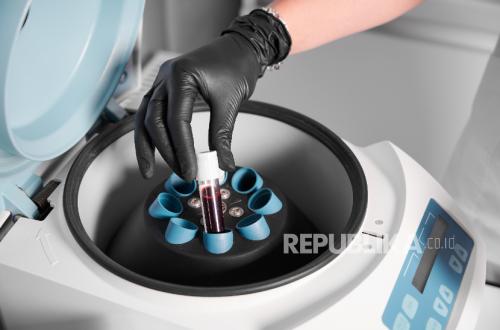
Takeda, together with the Government of Indonesia — comprising the Ministry of Health, the Ministry of Investment and Downstream Industry/Investment Coordinating Board (BKPM), and the Coordinating Ministry for Economic Affairs — has announced a strategic partnership to strengthen the national plasma industry ecosystem and expand access to life-saving plasma-derived therapies (PODP). As part of the partnership, the Ministry of Health has designated Takeda as a pharmaceutical company permitted to conduct plasma fractionation to produce PODP.
The designation enables Takeda to carry out plasma collection and fractionation processes in phases as part of building the national plasma industry ecosystem.
The move marks an important milestone in strengthening Indonesia’s health resilience whilst supporting the development of the national biopharmaceutical industry.
“This initiative reflects the commitment of the Government of Indonesia to building a strategic industry in the health sector and ensuring that the public has better access to essential and innovative treatments,” said Health Minister Budi Gunadi Sadikin in a statement on Monday (13 July 2026).
According to Budi, through the partnership with Takeda, the government hopes to strengthen the national health system whilst preparing Indonesia to face future health challenges.
This long-term initiative is the first of its kind in Southeast Asia. It focuses on building a sustainable, high-quality plasma collection system and supporting large-scale PODP manufacturing.
By leveraging Takeda’s long-standing experience in Indonesia, the partnership is expected to position the country as a hub for plasma-related science, plasma collection technology, and biopharmaceutical manufacturing and innovation.
“This collaboration demonstrates Takeda’s commitment to expanding access to PODP whilst supporting the development of a sustainable plasma ecosystem in Indonesia,” said Ramy Riad, President of Plasma-Derived Therapies at Takeda.
He said that since introducing the first PODP in Indonesia earlier this year and investing in plasma industry infrastructure from upstream to downstream, Takeda has continued to expand its cooperation with the Government of Indonesia.
“We hope Takeda’s global experience can support Indonesia’s long-term goals of improving healthcare services, creating highly skilled jobs, and strengthening the availability of life-saving and life-sustaining treatments for patients,” he said.
As an initial stage of development, Takeda will invest up to US$30 million, or around Rp 539 billion, over two years to build a number of plasma banks in Indonesia.
The results of this initial phase will serve as the basis for Takeda and the Ministry of Health to evaluate the feasibility of the operational model before developing it into a national plasma bank network.
All plasma banks will leverage Takeda’s global experience in plasma donor management by applying international quality and regulatory standards. The initiative is also expected to create new jobs, including for healthcare workers and laboratory technicians, whilst enhancing human resource capacity through training and knowledge transfer.