
Taiwan Launches Han Kuang Military Drills, Simulating Chinese Invasion
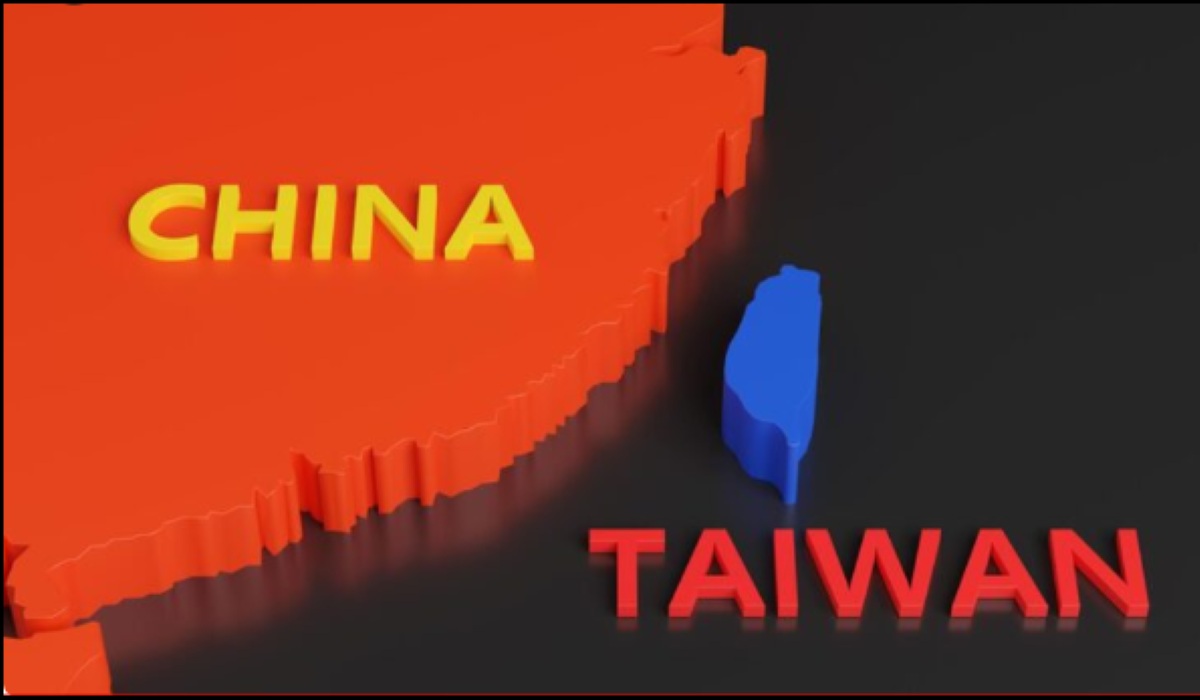
Taiwan officially began its annual Han Kuang military exercises on Wednesday (5/8), specifically designed to simulate a response to a potential invasion by China. The live-fire drills aim to test the Taiwanese military’s ability to sustain defensive operations for a full 24 hours.
Beyond conventional defence, the exercises are focused on countering Beijing’s grey-zone tactics, a series of provocative actions that sit just below the threshold of open war. This year’s Han Kuang drills are scheduled to run for 10 days at various strategic locations across the island.
One new aspect of this year’s exercises is the adoption of communication methods inspired by the United States military, including backbrief techniques. Under this method, subordinates explain back to their commanders the mission execution plans they have been assigned.
Experts say the communication drills are intended to encourage front-line soldiers to be more independent and effective in dynamic combat situations. This is considered crucial if the central chain of command is disrupted during an attack.
This year, Taiwan deployed the largest reserve force in the history of the exercises, involving more than 5,000 service members across two brigades. The number is a significant increase from last year, which involved around 3,000 reserve personnel.
The drills will test how quickly reserve personnel can be mobilised from peacetime standby mode to full active duty. The military also showcased its latest equipment, including US-made M1A2T Abrams tanks. Taiwan has acquired 108 of these tanks since 2019, with the final batch arriving in April.
Civil defence is also a priority through urban resilience exercises in major cities such as Taipei, Taichung, and Kaohsiung. In these simulations, mobile internet speeds will be reduced for around 30 minutes to simulate telecommunications disruption caused by cyber or physical attacks.
The measure is intended to test the population’s response to disruption of information services that could occur during a conflict.
Beijing considers democratic Taiwan a breakaway province that must be reunified, by force if necessary. Chinese military pressure has increased in recent years, with aircraft and warships sent near Taiwanese territory almost daily.
Although Taiwan continues to strengthen its defences, budgetary challenges remain. Taiwan’s parliament recently approved a supplementary budget of Rp400 trillion (US$24.8 billion) for US weapons purchases, lower than President Lai Ching-te’s proposal of Rp645 trillion (US$40 billion).
Meanwhile, political uncertainty in the United States also looms. Although the US remains the main informal supporter, several arms sales packages worth billions of dollars are still awaiting the green light from Washington. Donald Trump’s statement describing arms sales as a bargaining chip with Beijing adds complexity to the future diplomatic relationship between the two countries.