
Tackling waste with RDF: Bandung environmental agency urges waste segregation at source
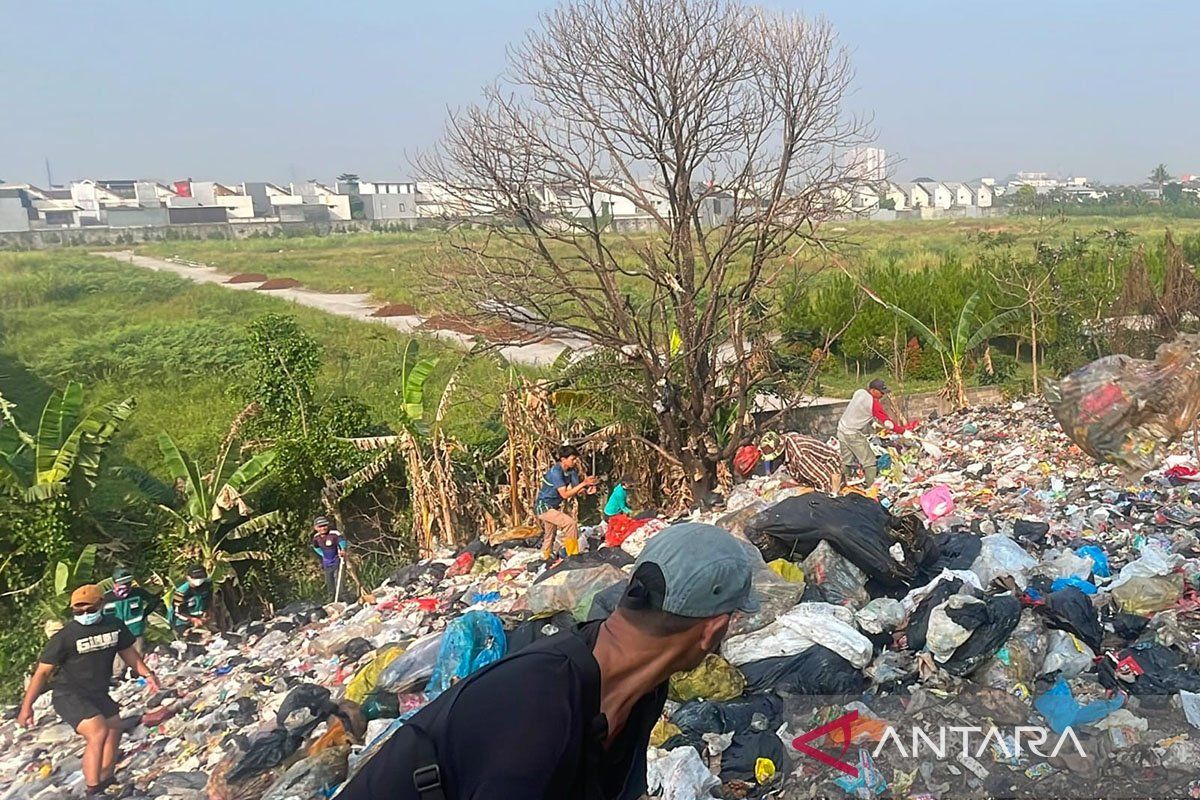
“Our biggest enemy is actually mixed waste”
Bandung (ANTARA) - The Environment Agency (DLH) of Bandung Regency, West Java, has emphasised the importance of sorting waste from the source as a step towards sustainable waste management, including the use of Refuse Derived Fuel (RDF) processing technology.
Abdul Wahid Fauzy, Head of Division at the Bandung Regency DLH, said in Bandung on Saturday that waste sorting is the key to addressing waste management problems, because mixed waste complicates further processing.
“Our biggest problem at the DLH is that we still receive mixed waste at collection. Our biggest enemy is actually mixed waste,” he said.
He explained that waste sorted from the outset is easier to manage, whether for reuse or for processing into an energy source through the technology currently being developed.
“RDF machines simply cannot handle mixed waste like this,” he said.
He noted that waste sorting is also part of preparations for future regional waste management, including supporting the readiness of the Legok Nangka final waste processing site (TPAS), which is still in progress.
“The waste needed for that purpose is dry inorganic waste that has indeed been sorted from the start,” he said.
Moreover, he said, of the total waste generation of around 1,600 tonnes per day in Bandung Regency, about 320 tonnes is estimated to become residue, based on the DLH’s calculation that roughly 20 per cent of waste cannot be reused.
“Of the existing waste, 20 per cent is certainly residue. And if that residue is managed properly from the start, it can also be put to use,” he said.
He gave the example of organic waste managed through the Rumah Tempa facility, which can be used as covering material in the waste processing operations at the final disposal site.
The Bandung Regency DLH hopes that the public can build awareness together with the government to ensure that waste leaving households is already sorted, so that the processing can run more effectively.