
Tackling the Clean Water Crisis, BRIN Develops Environmentally Friendly Membrane Technology
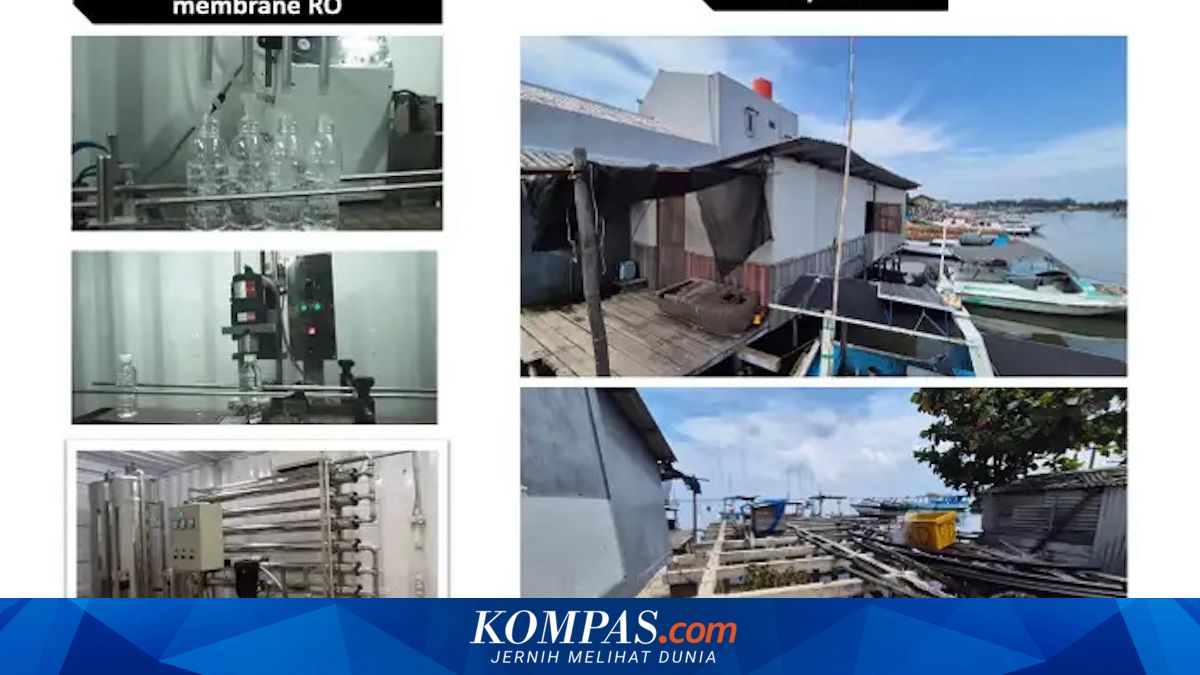
BRIN continues to push the development of membrane technology as a cutting-edge solution to address the global clean water crisis. The technology is regarded as highly strategic because it offers efficient water purification and wastewater treatment processes, energy savings, and environmental friendliness.
This was stated by Ria Desiriani, Policy Technical Reviewer at BRIN’s Centre for Nanotechnology System Research, in an online forum of ORNAMAT #85, a scientific research and innovation meeting, on Tuesday, 19 May 2025.
In her presentation titled ‘Functional Membrane Materials in Water Purification Technology and Wastewater Remediation’, she highlighted the strategic role of membrane technology in supporting sustainable water treatment.
Currently, the technology has become one of the main solutions across various industrial sectors, such as water and wastewater treatment, food and beverages, biotechnology, pharmaceuticals, medicine, chemicals, and energy.
As global demand for clean water grows, membrane technology is becoming more relevant.
“A membrane is essentially a selective barrier that allows certain components to pass through the membrane layer, while others are retained. This principle forms an important foundation for a range of water purification and wastewater remediation applications,” she said, quoted from BRIN’s website.
Ria also outlined the global development of the membrane industry, which now includes large-scale facilities. Additionally, membrane technology is used in natural gas processing and membrane bioreactors.
The value of the global membrane market, which continues to rise, indicates the high demand and potential of this technology in supporting sustainable development.
Furthermore, Ria explained that membranes can be classified based on their constituent materials, namely polymeric, inorganic, liquid, and biological membranes.
Advances in technology also enable combining various materials in the form of mixed-matrix membranes, i.e., composite membranes designed to merge the advantages of each constituent material.
“A membrane fabrication technique, particularly the phase inversion method, which remains the most widely used commercially to date. The process involves phase separation of a polymer solution into a solid membrane structure through precipitation, forming pores with specific sizes and distributions. The final characteristics of the membrane are influenced by various parameters, such as polymer type, solvents and non-solvents, casting solution composition, and coagulation bath conditions,” she said.
Various polymer materials, such as polyethersulfone (PES), polysulfone (PS), polyvinylidene fluoride (PVDF), and polyamide (PA), are widely used due to their good mechanical and chemical resistance.
According to Ria, to enhance membrane performance, modifiers such as nanoparticles, salts, or natural materials are added to increase porosity, hydrophilicity, and resistance to fouling.
During the event, Ria presented research results related to the development of membranes based on natural materials, including membranes infused with sea sponge extract to control fouling and bacterial growth.
This article is part of Lestari KG Media, an initiative to accelerate the Sustainable Development Goals.