
Tackling Hidden Hunger: Rice Fortification Seen as a Solution
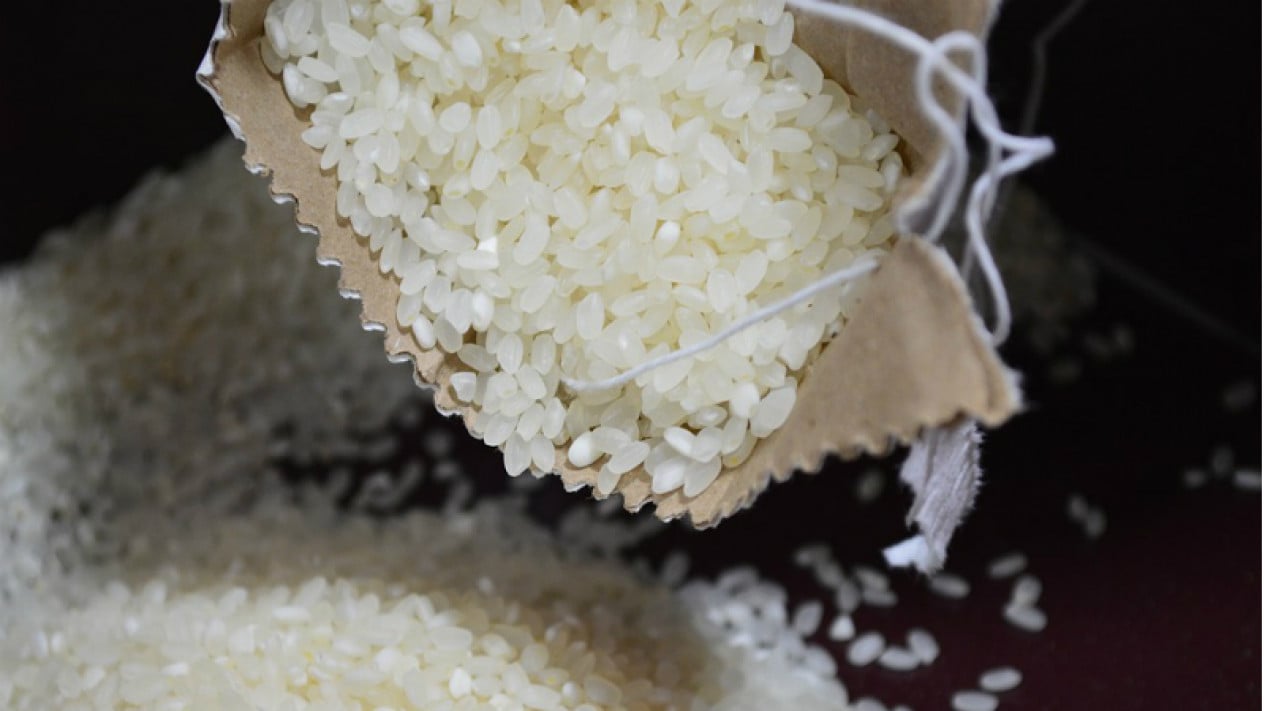
Indonesia is facing a silent emergency in the form of hidden hunger. Triggered by chronic iron deficiency, this condition has led to a surge in anaemia cases across the archipelago. Public health experts believe the most strategic intervention to address this is rice fortification.
This issue emerged during a cross-stakeholder meeting in Jakarta titled ‘Millers for Nutrition: Advancing Fortified Rice in the Commercial Market.’ The agenda aimed to engage a coalition of private sector players to discuss concrete steps for making fortified rice more affordable in the open market for the wider community.
Nina Sarjunani, Director of the Indonesian Fortification and Nutrition Development Foundation (KFI), stressed that intervention through the nation’s staple food is the most feasible path forward. Historically, efforts to reduce micronutrient deficiencies have relied on three main approaches. The first is food diversification, encouraging households to consume a variety of carbohydrates, vegetables, and protein sources. However, while ideal, diversification is difficult to implement because not all community groups can afford diverse sources of nutrition. The second is supplementation. Although simple, this approach also faces challenges due to low compliance rates in consuming supplements.
‘The most cost-effective method is fortification,’ Nina stated. She noted that Indonesia has successfully implemented various fortification programmes, such as iodised salt, wheat flour enriched with iron and zinc, and cooking oil fortified with vitamin A. However, she cautioned that while wheat flour is a strong intervention vehicle, it is not the staple food of the Indonesian population. Therefore, Nina believes the focus of fortification must shift to rice, given that 95 per cent of the country’s population consumes it.
Rice fortification is a low-friction intervention, she continued, because it does not require changes in people’s eating behaviour. Citizens continue to cook and eat rice as usual, but receive a significant boost of iron and other essential micronutrients. The resulting nutrition gain can be massive, with only a marginal increase in production costs of around Rp 1,000 per kilogram.