
Systemic Reform of Directorate General of Customs and Excise Deemed Essential to Continue
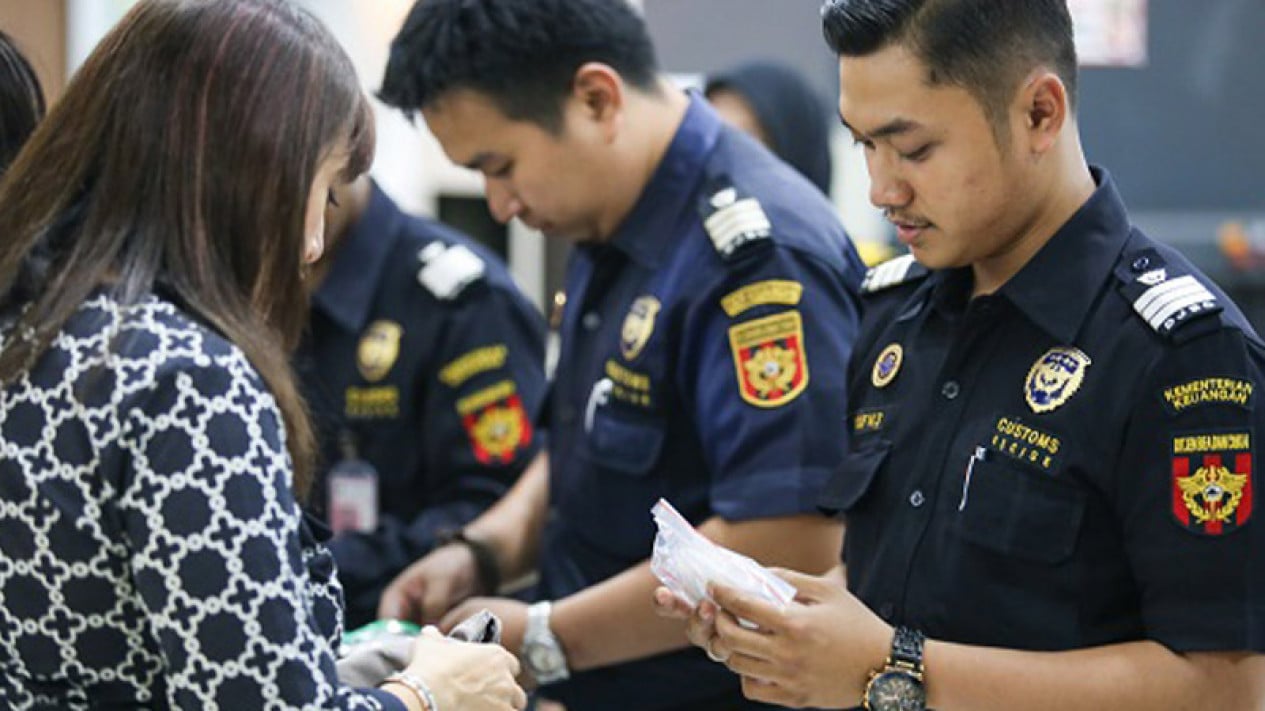
The threat of dissolving the Directorate General of Customs and Excise (DJBC) has begun to subside following improvements in performance observed by the government. However, experts argue that this situation should not lead to a halt in reforms, as without systemic improvements, similar crises could potentially resurface in a different form.
Iskandar Sitorus, Secretary Founder of Indonesian Audit Watch (IAW), in a strategic policy proposal developed alongside digital governance expert Prof. Taufiqurrakhman and legal expert Dinalara Dermawati Butarbutar, suggests that the current improved position of the DJBC should be utilised as momentum to rebuild national customs governance.
“Customs was under perhaps the most serious pressure since the state reclaimed import inspection authority in the mid-1990s. The threat of dissolution is easing. However, without systemic reform, the same crisis could return under a different name,” said Iskandar in a statement received by the editorial team on Saturday, 1 August 2026.
Iskandar noted that when Finance Minister Purbaya Yudhi Sadewa requested time from President Prabowo Subianto to reform Customs, the government considered returning the customs inspection system to the pattern used during the New Order era through surveyor companies if reforms failed.
“The pressure is not merely about structural changes. The options being discussed by the government involve not just the rotation of officials, but the very existence of the organisation,” Iskarr said.
According to him, the President’s decision to grant the DJBC the opportunity to continue its improvements represents a “second wind,” but it does not mean all problems have been resolved. He argues that the root of the issue lies in the institutional design, which still accumulates various strategic functions within a single organisation.
“The problems within Customs do not always arise from whoever holds the office. They also grow from how authority is divided, how data is accessed, who controls risk profiles, how inspections are selected, and who can alter a decision without leaving a trace,” he emphasised.
Iskandar reminded that the DJBC is currently tasked not only with collecting import duties and excise but also with monitoring goods flow, facilitating trade, conducting patrols, auditing, enforcement, and investigation. He stated that such extensive authority must be balanced with a robust oversight system to prevent conflicts of interest.