
Systemic Failures in Regional Leadership Recruitment Blamed for Recurring Corruption
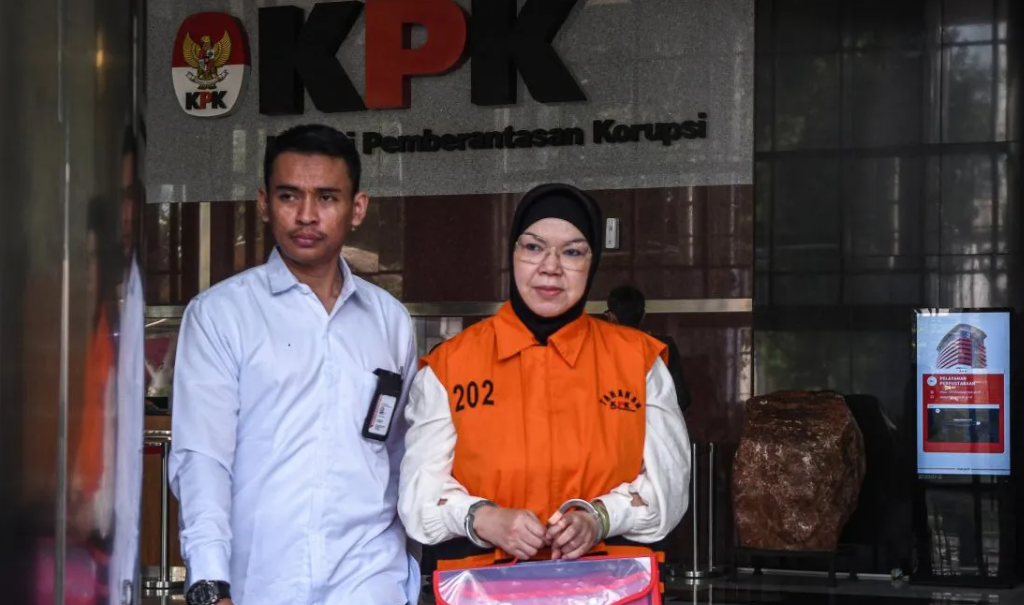
The phenomenon of Sting Operations (OTT) involving regional heads has resurfaced. Within approximately 1.5 years following the simultaneous inaugurations, at least 17 regional heads have been named as suspects in corruption cases. This figure has sparked sharp criticism regarding the effectiveness of the corruption prevention system at the regional level, which is considered to have failed to address the root of the problem.
Researcher Herdiansyah Hamzah from the Anti-Corruption Study Centre (Saksi) at Mulawarman University (Unmul) asserted that this series of cases is not an extraordinary standalone event, but rather a systemic problem that continues to repeat itself. According to him, the large number of regional heads caught in sting operations within a short period proves that the resolution efforts so far have not been thorough.
‘This situation actually keeps repeating itself. When, in a relatively short time, 17 regional heads have become entangled in corruption cases again, mostly through OTTs, it shows that this problem has never been truly resolved thoroughly,’ Herdiansyah told Media Indonesia on Wednesday (29/7).
Herdiansyah highlighted that various formal measures undertaken by the government, such as briefings or retreats for regional heads, have proven to have no significant impact. He assessed that this approach failed because it did not touch the fundamental issue, namely the recruitment process within political parties.
As the main gateway for nominating regional leaders, political parties are considered to have failed in carrying out an integrity-based selection function. Instead, parties tend to be pragmatic by prioritising figures with large financial capital and high electability.
‘There is a failure of political parties as the main gateway in selecting and offering the best regional head candidates. Political parties must be openly criticised because this is part of their responsibility as well as their failure,’ he stressed.
He added that many nominated candidates actually had problematic track records from the start, yet were still approved for the sake of political victory ambitions. Therefore, internal reform of political parties is a non-negotiable requirement to produce clean leaders.
Besides the issue of cadre recruitment, the political financing system in Indonesia is also accused of being a primary trigger for regional heads falling into corrupt practices. The high costs incurred during the nomination period create financial pressure for elected regional heads.
‘High political costs encourage elected regional heads to think about how to recoup the political capital they have spent,’ Herdiansyah explained.
This desire to quickly recover campaign ‘capital’ often leads regional officials to take shortcuts through corruption, whether in the form of project bribes, licensing, or the buying and selling of positions. Without improvements to the political cost system and strengthening party integrity, Herdiansyah believes the cycle of corruption among regional heads will continue to haunt Indonesia’s democracy.