
Syria Partners with US Energy Giant ConocoPhillips to Develop Gas Sector
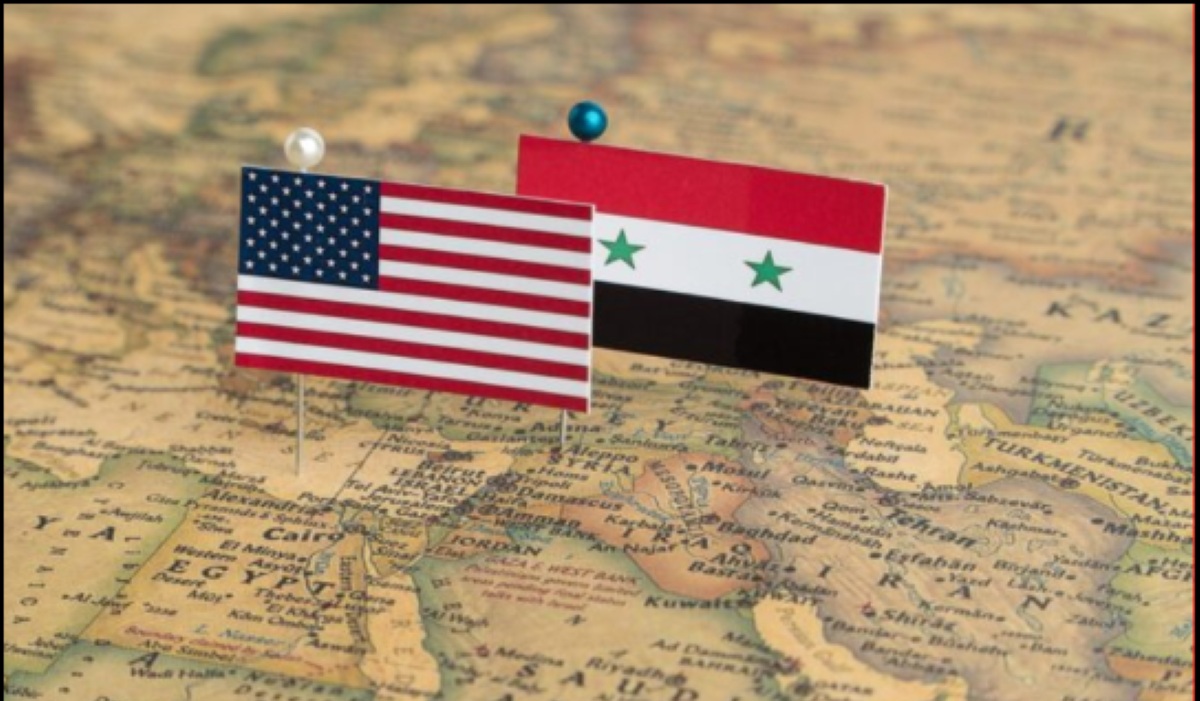
The Syrian government officially signed a cooperation contract with American energy giant ConocoPhillips on Tuesday (16/6/2026) to develop the country’s gas sector. The strategic move was taken by Damascus under the new administration to attract international energy investment after years of isolation due to civil war.
State news agency SANA reported that the state-owned Syrian Petroleum Company (SPC) agreed to the contract with ConocoPhillips and Novaterra. The partnership focuses on developing several new gas fields and increasing production capacity at existing fields.
SPC CEO Youssef Qablawi stated that the agreement is the largest contract signed since the new authority took power following the overthrow of Bashar al-Assad in December 2024. ‘This is a crucial step in the process of modernising the gas sector in Syria. Through this cooperation, we hope to increase production and strengthen the national energy system, especially to supply the needs of the electricity sector and other vital sectors,’ Qablawi said during the signing ceremony in Damascus.
Previously, a Syrian delegation led by Energy Minister Mohammad al-Bashir visited Washington the week before to discuss infrastructure investment prospects and explore strategic partnerships with the American private sector.
Following the lifting of Assad-era sanctions, Syria is now ambitiously pursuing massive economic recovery. The government is targeting oil production of one million barrels per day by 2030. To achieve this target, Damascus continues to expand international cooperation in oil and gas exploration and production.
In addition to ConocoPhillips, Syria has previously signed memoranda of understanding with several other global companies, including Chevron (US) and Power International (Qatar) for offshore exploration, TotalEnergies (France) and QatarEnergy (Qatar) for offshore block development, and HKN Energy, which has now begun managing and operating oil fields in the northern and northeastern regions previously controlled by Kurdish authorities.
The return of Western energy companies marks a new chapter for Syria in its efforts to modernise energy infrastructure destroyed by prolonged conflict and reposition itself on the regional energy map.