
Syngenta Indonesia promotes sustainable agricultural innovation
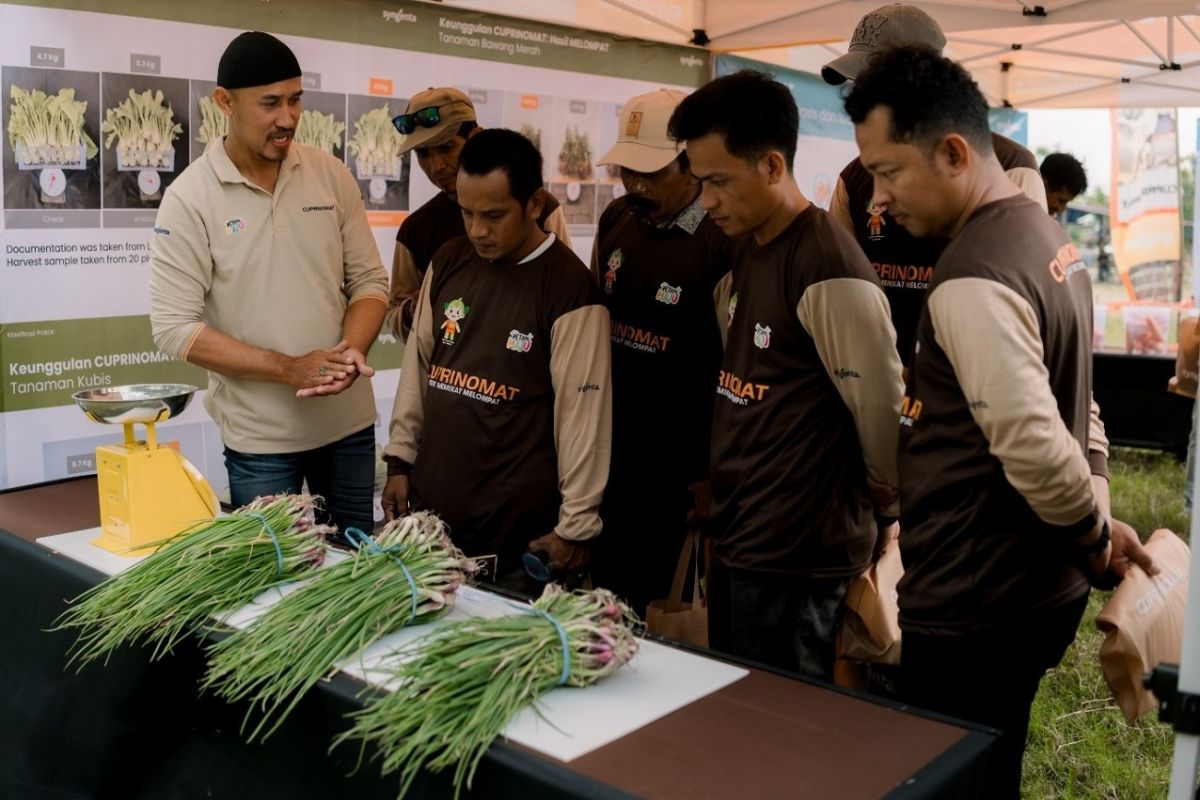
PT Syngenta Indonesia has reaffirmed its commitment to driving sustainable agricultural innovation, notably through the application of biostimulants in rice cultivation.
Eryanto, President Director of Syngenta Indonesia, stated that the ‘Cuprinomat’ biostimulant was developed to assist in enhancing natural plant processes and increasing tolerance to abiotic stress, such as non-pest environmental factors including heat and drought. Speaking in Jakarta, he noted that this technology highlights three primary benefits: precise complete solutions, attractive growth, and leaping yields, all designed to help farmers navigate field cultivation challenges.
“We are providing solutions that help plants continue to grow optimally under various conditions, allowing farmers to achieve better and more sustainable yields,” he said during the launch of the ‘Cuprinomat’ biostimulant in Sidenreng Rappang (Sidrap) Regency, South Sulawesi.
According to Eryanto, the biostimulant combines amino acids, humic acid, fulvic acid, and comprehensive micronutrients that work synergistically to accelerate plant growth. Additionally, it strengthens resistance to environmental stress, optimises nutrient absorption, and supports higher crop yields. This innovation is increasingly relevant amidst the challenges of climate change, which demands more adaptive and sustainable agricultural practices.
Eryanto stated that the company has introduced this biostimulant technology to farmers across several regions, including Medan, Alahan Panjang, Lampung, Karawang, Indramayu, Grobogan, Jember, Lombok, Makassar, and most recently, Sidrap. At each location, the company held meetings with farmers, reaching a total of 500 individuals to share information regarding the benefits of the biostimulant technology.
“Based on observations during this series of activities, plants treated with biostimulant technology showed better growth compared to untreated plants,” he added.
Jumaidi, a rice farmer from Sidrap, noted that the plants treated with the biostimulant grew better and expressed confidence that the technology could help face weather challenges and increase cultivation yields.