
Synergy of AI and Energy: David Sun Unveils the Future of the Electricity Industry at AESIEAP CEO Conference
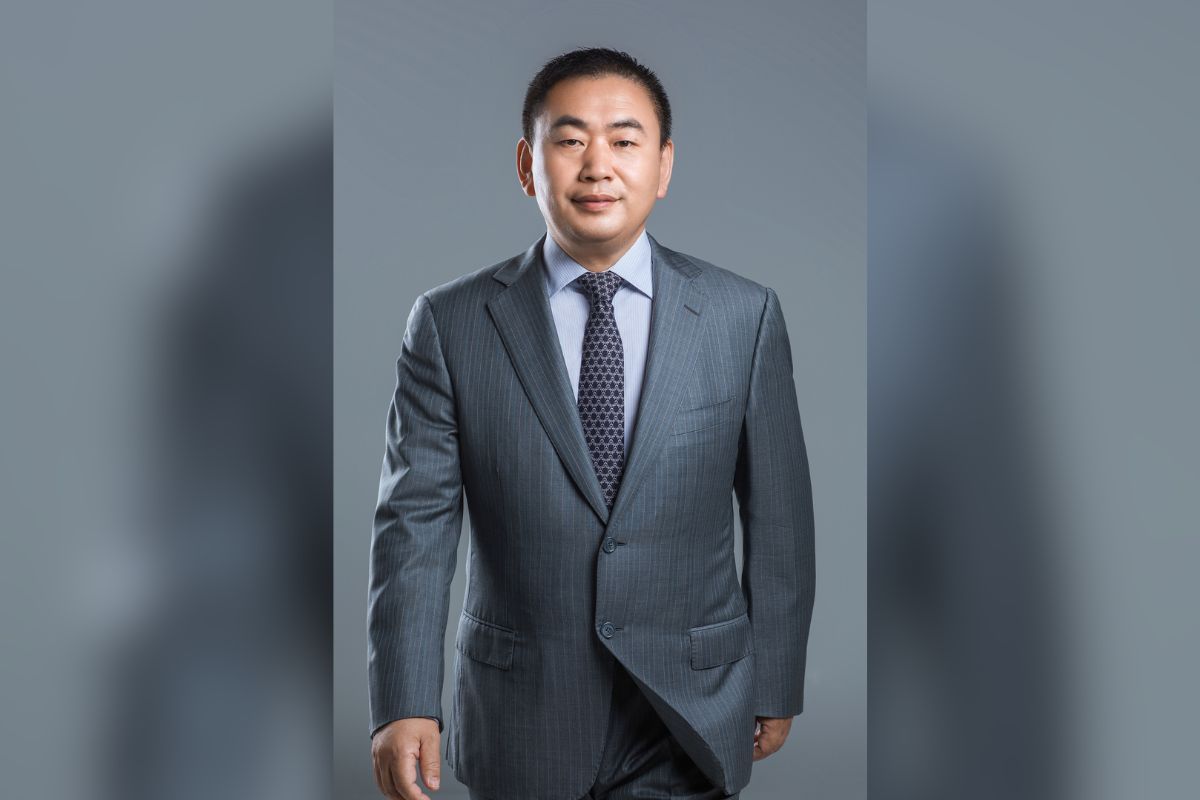
Hong Kong, (ANTARA/PRNewswire) — David Sun, CEO of Huawei Electric Power Digitalisation BU, has presented a new vision for the electricity industry at the Association of the Electricity Supply Industry of East Asia and Western Pacific (AESIEAP) CEO Conference. In a presentation titled “AI and Energy Empowering Each Other, Intelligence Unlocking a New Future for Electric Power,” Sun highlighted the significant impact of the global energy transition and positioned low-voltage networks as the primary focus for AI development. He also outlined current industry conditions and a strategic vision based on six core capabilities, the development of systematic standards, and the strengthening of human resources to drive intelligent transformation in the electricity sector.
Low-Voltage Networks as a Crucial Challenge in the Energy Transition
In August 202ly, during the opening session of the Paris International Council on Large Electric Systems (CIGRE), representatives from the International Energy Agency (IEA) assessed power grid infrastructure as one of the main obstacles to the global energy transition. According to Sun, the more fundamental issue lies in the management and transparency of low-voltage networks. Currently, approximately 700 million people worldwide still lack access to electricity, including nearly 50 million in Asia, making equitable access a long-term mission. Simultaneously, the installed capacity of distributed PV in China continues to grow and is expected to exceed 1 billion kilowatts by 2030. This rapid growth makes the systematic management of low-voltage services increasingly vital. He also emphasised the importance of transactions within the electricity market.
To address the management gap in low-voltage networks that has persisted for a century, Sun proposed six core capabilities to enhance network transparency: the ability to observe, measure, control, adjust, trade, and track. According to him, this step is not merely a technological upgrade, but a fundamental change in the mode of production.
Open Architecture and a Solid Technological Foundation
David Sun assessed that the mode of production is the most important factor. While professional capabilities remain necessary, the priority is the ability to rapidly integrate various capabilities to support business, customers, and operational mechanisms.
Sun also emphasised the importance of communication networks as a foundation. Without communication, various processes cannot function. Therefore, two global issues—low-voltage network transparency and medium-voltage network convergence—must be addressed.
From a digital architecture perspective, Sun advocated for a hierarchical, decoupled, and modular design, accompanied by a cloud-edge-device collaboration model tailored to specific needs to support applications and data.
He noted that with the support of high-quality, real-time data, AI needs to be deeply integrated into all electricity processes, asset management throughout the operational lifecycle, and comprehensive customer services. Such integration also opens opportunities for innovation across various business lines.
AI Increasingly Integrated into Electricity Operational Activities
In his presentation, David Sun detailed several results of AI implementation within the context of low-voltage network operations. In the business of State Grid Corporation of China, the combination of high-speed power line carrier (HPLC) communication technology, anomaly analysis models, and AI agents for analysing line loss has significantly reduced labour costs. Through the application of marketing ontology models, the company has also reduced customer service response times from hours to minutes. Outside of China, including in Brazil, the implementation of microgrid management platforms and integrated O&M centres has significantly improved the accuracy of power load predictions at the transformer level. Meanwhile, in daily field operations, the integration of VR headsets, small AI models running on devices, and large-scale cloud-based models has significantly enhanced safety and work compliance. These various applications prove that digital and intelligent innovation, underpinned by high-quality real-time data, can drive electricity companies into a new phase of higher efficiency and operational quality.
Restructuring Standards and Human Resource Development
To ensure that AI utilisation is a two-way process, systematic, open, consistent, and visionary standards are required to accelerate technological innovation, industry upgrading, and ecosystem development. David Sun proposed a three-tier framework for standard development: “indicator–architecture–technology.” He noted that these standards must also serve as a reference for human resource development, digital transformation, and sustainable business growth. Huawei is collaborating with several leading companies to develop the “Wittgenstein Studio” human resource development programme. This programme helps electricity companies lower barriers to digitalisation, encourages creativity among electrical engineers, and empowers every engineer to become a “Mini-CEO” capable of proactively facing uncertainty. According to Sun, the electricity industry can only achieve sustainable growth if its engineers master digital and AI technologies and are able to act as industry experts as the new power system takes shape.
Huawei is encouraging the electricity industry to move beyond mere technological upgrades towards a dual transformation in the mode of production and talent structure. Moving forward, as open architecture becomes more widely implemented and AI is utilised on a large scale, the industry will accelerate its transformation to build a new power system that is transparent, intelligent, and sustainable. Through two-way synergy, these steps can maximise the added value of every kilowatt-hour.
Source: jawawa.id (https://jawawa.id/newsitem/synergy-of-ai-and-energy-david-sun-unveils-the-future-of-the-electricity-industry-at-aesieap-ceo-conference-1789981359)
Originally published by Antara (Indonesian) (https://www.antaranews.com/berita/5751056/sinergi-ai-dan-energi-david-sun-ungkap-masa-depan-industri-ketenagalistrikan-di-ajang-aesieap-ceo-conference-2026), translated from Indonesian