
Symptoms on Screen, Certainty in the Doctor's Hands
Amidst the rapid development of Artificial Intelligence (AI), self-diagnosis is becoming an increasingly familiar phenomenon within society. By simply typing symptoms into an AI-based application or search engine, an individual can obtain various possible medical conditions within seconds. The ease of access, zero cost, and 24/7 availability make this practice increasingly popular as an initial step in seeking health information.
For some, AI serves as the first place to seek answers when health complaints arise. Many even use it as a companion for discussion when anxiety regarding their physical condition begins to emerge.
This phenomenon is reflected in research presented by Dr Ray Wagiu Basrowi. The use of AI-based self-diagnosis is dominated by members of society with income levels near the Regional Minimum Wage (UMR), at approximately 61 per cent. Meanwhile, about 17 per cent of users come from groups with monthly incomes exceeding Rp10 million. Users also span various age groups, both young and old.
Some respondents admitted to using AI to obtain an initial overview of their condition before deciding to seek medical treatment. Others use AI as a medium to discuss their felt health complaints.
AI’s ability to provide answers is based on algorithms that process millions of data points, scientific articles, health references, and user query patterns. From this data, AI generates responses deemed most appropriate to the information provided.
Nevertheless, AI is only capable of reading patterns based on the input data and cannot observe a patient directly. AI is unable to observe facial expressions, skin colour, gait, body language, or psychological conditions, nor can it perform physical examinations, which are often crucial indicators in establishing a diagnosis. Therefore, the answers generated by AI are informative in nature and cannot be equated with medical decisions obtained through clinical examination.
Behind its convenience, AI-based self-diagnosis has limitations that cannot replace the actual medical process. Doctors assess that while this phenomenon is unavoidable, its use must remain within clear boundaries. Seeking medication recommendations through AI without a direct examination carries the potential for mismanagement or long-term side effects, as no party bears clinical responsibility for such decisions.
In medical practice, a diagnosis is established through comprehensive stages, ranging from medical interviews, patient observation, and physical examinations to medical history tracing and supplementary tests such as laboratory work if required. As expressed by one doctor, medicine is an art based on science. Every patient has a different condition and requires a different approach.
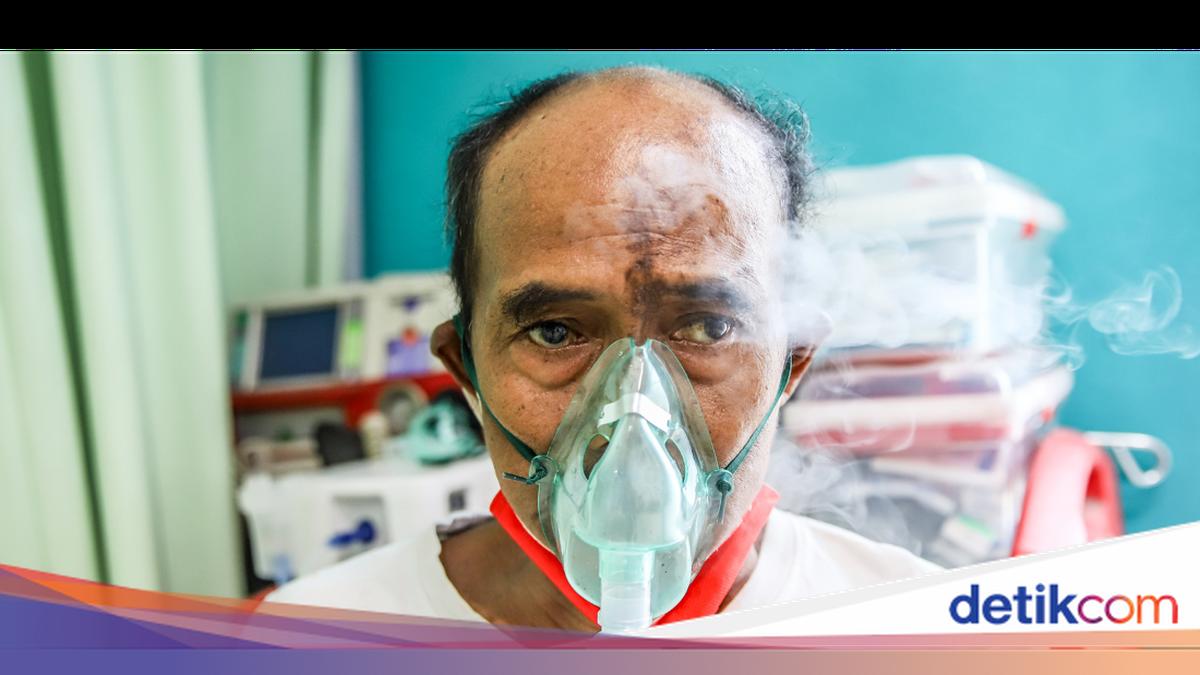
This reality is evident at the Cilincing Community Health Centre (Puskesmas) in North Jakarta. Every day, approximately 700 patients arrive to receive healthcare services through BPJS Kesehatan. The continuous long queues serve as evidence that despite rapid technological advancements, the public still entrusts diagnosis and treatment to medical personnel.
AI may serve as an initial step for seeking information, but certainty is still sought through direct examination by doctors and healthcare professionals.
Technology will continue to evolve, and AI algorithms will become increasingly sophisticated in processing data and presenting various possible answers. However, human health is not built solely from a collection of symptoms and data patterns. It involves observation, clinical experience, empathy, intuition, and the professional responsibility inherent in every medical practitioner.
AI can serve as an entry point to improve health literacy, but it cannot feel a pulse, read body language, touch a patient, or bear the consequences of a medical decision. Ultimately, behind every screen offering various possibilities, the examination room remains the place where certainty is born—a place where science and humanity meet to protect and save lives.