
Switzerland Shuts Down Nuclear Reactors Amid Extreme Heatwave
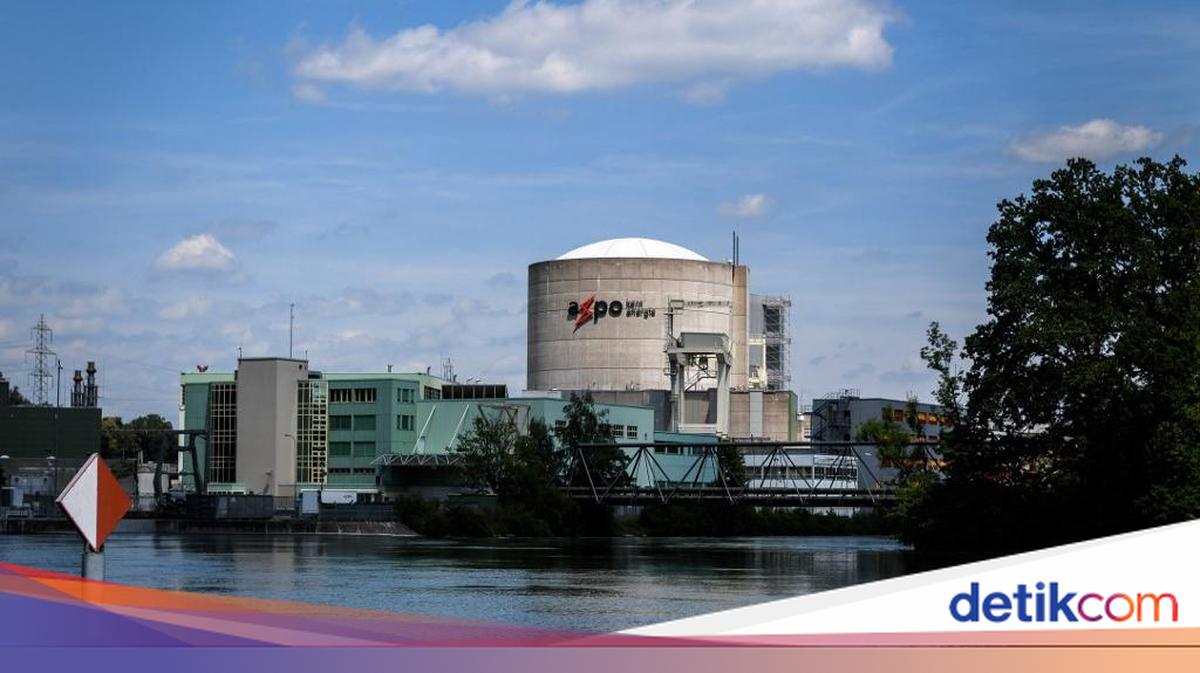
Swiss authorities have shut down several nuclear reactors at the Beznau nuclear power plant, which is the oldest nuclear plant in the European region. The move was taken after an extreme heatwave sweeping across Europe caused river water temperatures, used for reactor cooling, to surge.
Swiss energy company Axpo, in a statement reported by AFP on Saturday (27/06/2026), announced that the two existing nuclear reactors at the Beznau plant were temporarily shut down on Friday (26/06) local time.
“The water temperature in the Aare River reached 25 degrees Celsius again yesterday and today. Adequate cooling conditions do not yet appear to be achievable,” Axpo stated on its website.
As a result, Axpo noted in its statement that the Beznau nuclear power plant, located in northern Switzerland near the German border, “has temporarily shut down both its reactors.”
Axpo added that the company “continues to monitor the temperature of the Aare River.”
“Once the river temperature drops or adequate cooling conditions are expected to be achievable, (Beznau) can plan to restart its reactors,” Axpo said in its statement.
The resumption of reactor operations, according to Axpo, will take place once the relevant authorities grant permission.
This announcement comes amidst an extreme heatwave affecting 150 million people across Western Europe, with air temperatures exceeding 35 degrees Celsius.
On Friday (26/06), Switzerland broke its June heat records for two consecutive days, recording a temperature of 38.8 degrees Celsius in Basel, not far from Beznau. This new record was recorded just one day after temperatures of 38 degrees Celsius blanketed the same location, surpassing records from the last 80 years.
French authorities had previously announced measures to shut down nuclear reactors in their region as an environmental protection effort to avoid discharging large amounts of hot water into already warmed rivers.
In Switzerland, electricity supply from nuclear power plants contributes to more than one-third of the country’s total electricity production. Switzerland possesses four nuclear reactors that are considered aged, including the two reactors at Beznau.
Reactor 1 at Beznau began operations in 1969, and Reactor 2 began in 1971, making it one of the oldest nuclear power plants in the world.