
Switzerland Hit by Heat 'Curse' as Europe's Eternal Ice Shrinks
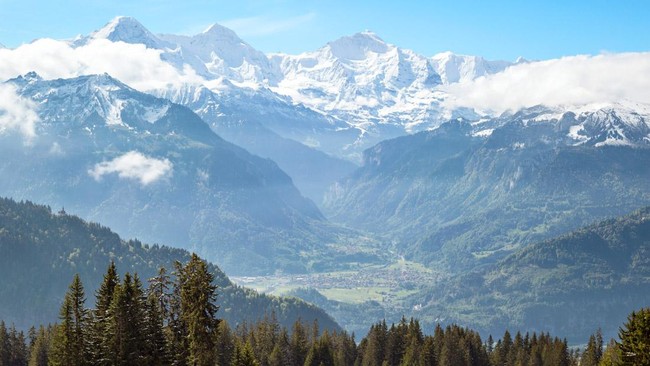
Swiss glaciers lost 5.5% of their ice volume in 2026, representing the second-largest annual shrinkage since records began. A lack of snowfall during winter and intense heatwaves during summer have accelerated the melting of ice in the Alps.
According to reports from the Swiss glacier monitoring network, Glacier Monitoring Switzerland (GLAMOS), the country has lost nearly one-fifth of its glacier ice volume over the last five years. This condition threatens the sustainability of Alpine glaciers as well as future water availability.
GLAMOS Director Matthias Huss, as quoted by the BBC, described 2026 as a “disastrous year”. He highlighted the combination of low winter snowfall and record summer temperatures, warning that extreme melting is now occurring almost every year.
The shrinkage in 2026 was only slightly less than the record set in 2022, when ice volume decreased by 5.9%. Significant declines were also recorded in 2023 at 4.4% and in 2025 at 3%.
Major Melting in Primary Glaciers
The Aletsch Glacier, the largest in Switzerland, recorded its largest annual melt during observations in 2026. Meanwhile, the average thickness of the Tsanfleuron Glacier has decreased by more than four metres, according to the latest monitoring data.
Scientists estimate that Swiss glaciers released approximately 2.2 trillion litres of water between July and September alone. This amount is more than four times the annual domestic drinking water consumption in Switzerland.
While this meltwater helps alleviate water shortages during the summer, the benefit is temporary. As glaciers shrink, less ice remains available to supply water during hot and dry weather.
“Every drop of water flowing during this heatwave is old water that has been stored in glacier ice for centuries or decades,” Huss told the BBC. “That water helps us now, but this condition is unsustainable,” he added.
Loss of High-Altitude Snowfall
Rapid melting is not only occurring at the base of the glaciers. Researchers found little to no snow remaining at several measurement points at altitudes of 3,500 metres above sea level. Typically, these areas would still retain a sufficiently thick layer of snow by the end of summer.
Snow accumulation is vital for glacier sustainability. Over time, snow compacts into ice, replacing some of the ice lost to melting. When snow disappears too quickly, the underlying ice surface becomes exposed, absorbing more solar energy and further accelerating the melting process.
Threats to Water and Energy
The reduction in glacier ice could impact agriculture, hydroelectric power plants, and transportation. Glacier water supply becomes increasingly critical during droughts.
The risk to energy is significant, as Switzerland relies on hydropower for approximately 58.5% of its electricity production, based on a 10-year average recorded by the Swiss Federal Energy Office. The impact was already evident during the 2022 drought. The journal Hydrology and Earth System Sciences 2026 noted a decrease in hydropower production, restrictions on water use for households and agriculture, and limitations on navigation on the Rhine River due to low water levels.
The shrinkage and instability of mountain ice and permafrost could also increase the risk of landslides and floods.
GLAMOS warns that Alpine glaciers will struggle to survive in the long term if these conditions persist. However, reducing greenhouse gas emissions may still limit further ice loss.
Source: jawawa.id (https://jawawa.id/newsitem/switzerland-hit-by-heat-curse-as-europes-eternal-ice-shrinks-1791363217)
Originally published by CNBC Indonesia (https://www.cnbcindonesia.com/research/20261006155137-128-773828/swiss-kena-kutukan-panas-es-abadi-puncak-eropa-makin-gundul), translated from Indonesian