
Sustaining the Manufacturing Pulse Amid Global Uncertainty
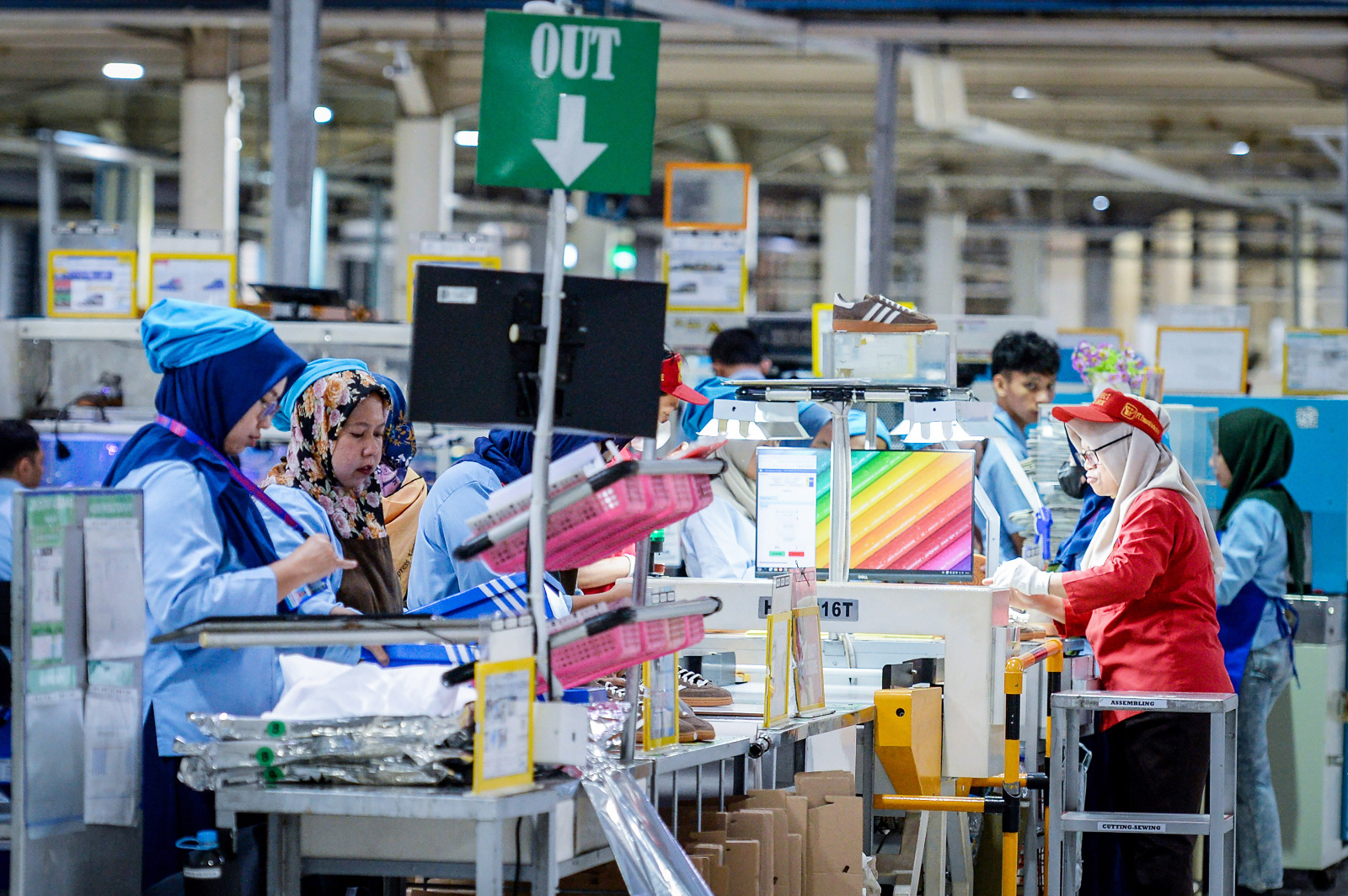
Indonesia’s manufacturing sector has shown renewed positive momentum, entering an expansionary zone at the start of the third quarter of 2026. Based on the S&P Global release, the Indonesian Manufacturing Purchasing Managers’ Index (PMI) for July 2026 stood at 50.2, a significant jump from 46.9 in June 2026. This achievement marks a recovery in national industrial operations, supported by a return to output growth for the first time since February 2026, a stabilisation of new orders, and renewed job creation after four months of decline. Ministry of Industry spokesperson Febri Hendri Antoni Arif stated that the PMI’s return to expansionary territory reflects strengthening business confidence and the industrial sector’s resilience amid raw material cost dynamics and global uncertainty. “The 3.3-point increase from June confirms that the wheels of processing industry production are moving quickly again. The increase in output and the growth of new jobs show that consumer confidence and domestic market demand continue to improve,” Febri said. The July 2026 PMI was also supported by new demand, which stabilised alongside strengthening client confidence and the launch of new projects. The S&P Global survey further noted that business optimism for the next 12 months surged to its highest level in six months, while the rate of raw material price increases slowed to a four-month low. Although macro manufacturing indicators show a solid recovery, the Ministry urged all stakeholders to remain vigilant regarding global supply chain dynamics and exchange rate fluctuations. The ministry is committed to overseeing raw material availability, energy affordability, and domestic market protection so this expansive recovery trend can be maintained and improved in the second half of 2026. The Indonesian Chamber of Commerce and Industry (Kadin) assessed that consistent expansion over the coming months is necessary, along with support from other indicators such as increased industrial output, production capacity utilisation, and investment to ensure a sustainable recovery. Kadin Deputy Chairman for Industry Saleh Husin noted that while Indonesia’s manufacturing position has improved compared to ASEAN peers, its pace of expansion remains relatively moderate. Saleh cautioned that the industry still faces challenges, from rising raw material costs and weak export demand to cautious purchasing behaviour among businesses. He added that the PMI reflects short-term business activity, whereas investment decisions require consideration of demand prospects and economic sustainability certainty. “Business actors are expected to continue monitoring the sustainability of demand trends in the coming months before undertaking capacity expansion or new investments,” Saleh said. Indonesian Employers’ Association (Apindo) Chairwoman Shinta W Kamdani stated that the second quarter of 2026 was a difficult period for the real sector, with many industries experiencing cost-push inflation due to the impact of the Strait of Hormuz conflict and the weakening rupiah exchange rate on production costs and imported raw materials. She added that export demand was also disrupted by trade issues such as the US investigation into Indonesia, while the domestic market experienced a slowdown in demand due to fuel price increases. Trimegah Sekuritas Indonesia Chief Economist Fakhrul Fulvian assessed that the economic growth structure remains heavily dependent on government spending, while the main engines of the private sector, particularly manufacturing and mining, continue to face pressure. He noted that the processing industry, the largest contributor to national GDP, grew only 0.88 percent quarterly and 4.52 percent annually, a slower pace than the services sector, despite manufacturing contributing around 18.5 percent to GDP.