
Sustainable Toll Road Infrastructure Development as a Driver of Growth
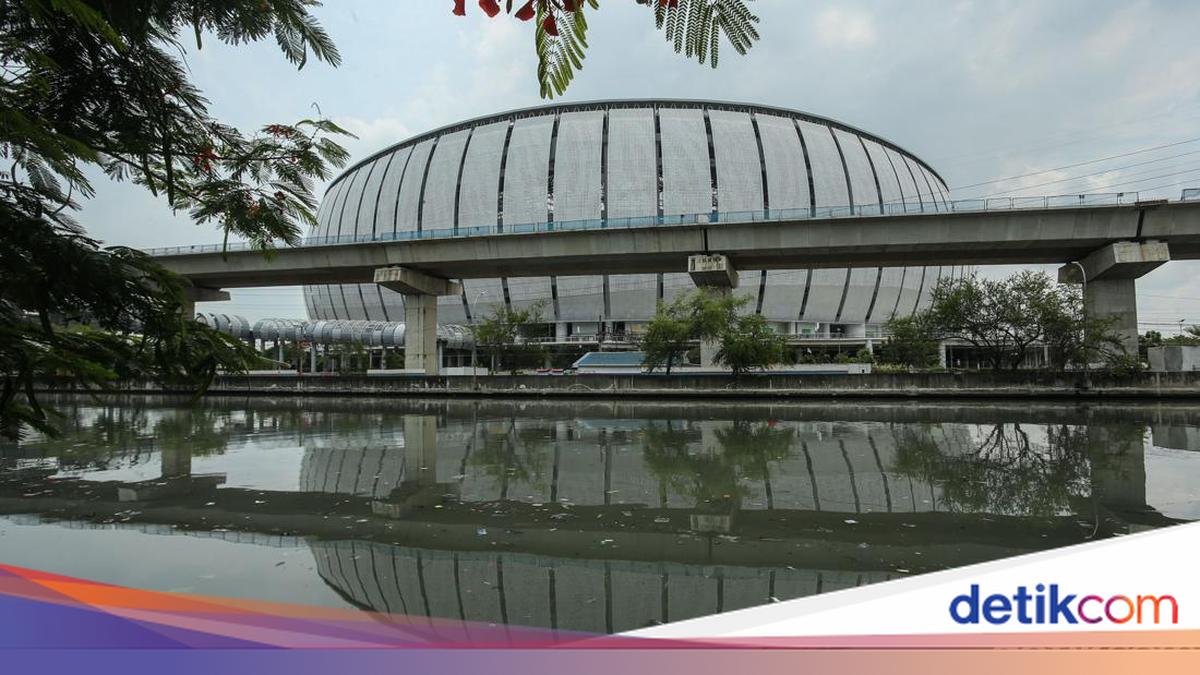
The government is continuing toll road construction in several regions to support public connectivity and drive economic growth. Toll road development is considered to provide public benefits in the form of more efficient travel as well as improved mobility and logistics.
“Toll road construction is not merely physical infrastructure development, but an important part of efforts to improve public services and strengthen national connectivity,” said public policy and environmental analyst Agus Pambagio on Monday (31/8/2026).
According to him, adequate road infrastructure will facilitate the distribution of goods and services, lower logistics costs, open access to economic growth centres, and encourage investment and job creation. Therefore, he continued, delays in toll road construction cannot be seen only as delays in physical development, but also have the potential to postpone the economic benefits that should be felt by the public and the business world.
“In the context of the government’s target to drive economic growth of up to 8%, the sustainability of infrastructure development is one of the factors that needs attention. Toll roads are indeed not the only determining factor for economic growth, but better connectivity can be an important enabler for economic efficiency, increased investment, and the equitable distribution of growth centres,” he said.
He said the success of toll road development is a shared concern and responsibility, namely the government, business entities, investors, financing institutions, and all stakeholders. The relevant parties are considered to need a common view that infrastructure development does not stop at physical construction, but must be ensured to operate, be maintained, and provide sustainable benefits.
He said policies governing toll roads also need to have a long-term perspective. According to him, the sustainability of toll road development requires a healthy policy and investment ecosystem.
Toll road investment requires large capital, while investment returns take place over the long term with complex risks. In a presentation by the Indonesian Toll Road Association (ATI) to Commission V of the Indonesian House of Representatives in July 2026, of 39 sampled Toll Road Business Entities (BUJT) reviewed, around 54 percent still recorded negative operating profitability, 37 percent had not yet generated operating profits, while around 9 percent had positive cash flow.
The data, he continued, shows that most toll road investments still require a long time to achieve an adequate rate of return.
“This condition needs to be viewed holistically and not solely from the operator’s business perspective. When investment risk increases, the cost of capital also has the potential to increase. Ultimately, this condition is not only a problem for investors, but can affect the ability to build new sections and maintain service quality on sections that are already operating,” he said.
He said the government needs investment to accelerate the provision of the toll road network, while business entities need certainty of the rules of the game in order to carry out construction, operation, and maintenance obligations according to the concession period.
He assessed that a healthy investment ecosystem is needed to ensure that infrastructure that has been built can continue to provide benefits to the public. Agus assessed that BUJT need to be given room to maintain investment viability in order to improve service quality for the public and present various innovations, for example in technology development.
“In that context, the tariff adjustment mechanism needs to be placed proportionally. Tariff adjustment is not merely a matter of operator revenue, but is part of the mechanism to maintain investment viability while maintaining service quality,” he said.
He continued that Government Regulation Number 23 of 2024 has regulated periodic evaluation and tariff adjustment by considering inflation, fulfilment of Minimum Service Standards (SPM), and certain conditions that can affect investment viability. “What must be maintained is the balance between affordability for the public and bankability for investors,” he said.
On the other hand, Agus said improving service standards for the public also needs to be encouraged. However, improving service standards must be built within a complete policy framework by taking into account the entire ecosystem in operation.
“Every new policy that has consequences for investment and operational costs needs to be calculated properly, have a clear transition period, and consider the condition of ongoing projects,” he said.
The quality of toll roads, according to him, must also pay attention to external factors such as Over Dimension Over Load (ODOL) vehicles that can accelerate road damage and increase maintenance needs. He said all stakeholders need to build a common view to create a conducive climate and ensure the sustainability of toll road development.
“From a public policy perspective, these various issues show that toll roads can no longer be managed through policies that operate in silos. Tariffs, SPM, preservation, ODOL control, use of road right-of-way, rest and service areas, integration between sections, and policies related to materials are interconnected and have consequences for one another,” he said.
He said toll roads are an ecosystem, so all policies must be carefully weighed to achieve the goal of better public services, sustainable infrastructure, and connectivity capable of supporting economic growth.
“What is needed is not a reduction in service standards or favouritism towards investors, but policy consistency, proportional risk sharing, and certainty of implementation so that the government, business actors, investors, and all stakeholders can work in the same direction,” he said.
He said toll road construction is not merely about building road sections, but about building connectivity and creating economic benefits that can be felt by the public.
“If Indonesia wants to achieve 8 percent economic growth, then delays in strategic infrastructure development that connects economic activity must not be viewed as merely a sectoral problem. Ensuring that toll road construction runs on time, sustainably, and is supported by a healthy policy ecosystem is part of efforts to ensure that infrastructure truly becomes a driver of national economic growth,” he said.