
Sustainable Health Protection Becomes a Choice Amid Rising Medical Costs
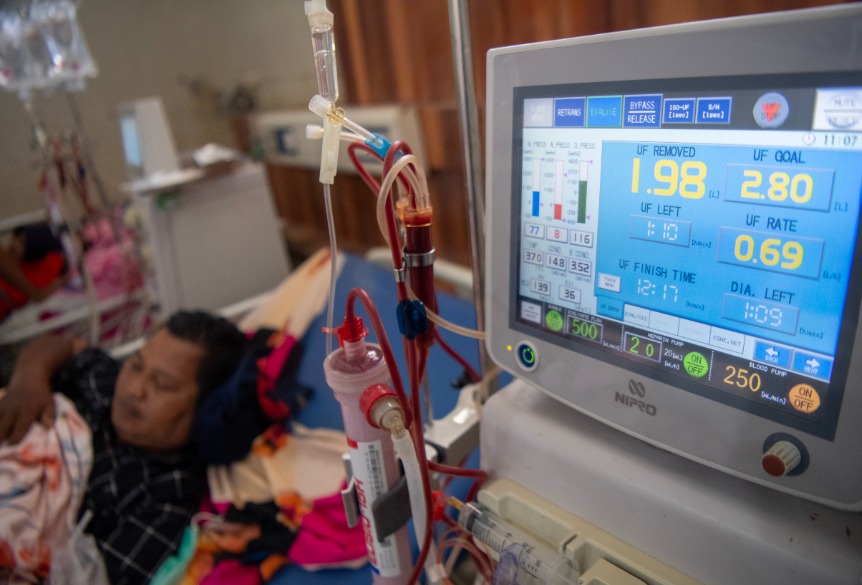
The rise in healthcare costs, or medical inflation, is becoming an increasingly tangible challenge for Indonesians. According to the MMB Asia Health Trends 2026 report, Indonesia’s medical inflation rate is projected to reach 17.8% in 2026, the highest in Asia and surpassing the regional average of 12.5%. This situation necessitates a better public understanding of the factors driving medical cost increases, including the high expense of treating critical illnesses such as heart disease, in order to better prepare long-term health and financial protection.
To share information and build further understanding, Allianz Indonesia held a Media Workshop themed “Maintaining the Sustainability of Health Protection Amid Rising Medical Costs”, presenting perspectives from both the medical and insurance industries. Through this discussion, Allianz Indonesia invited the media and the public to understand that rising healthcare costs are influenced not only by general inflation but also by increasing medical procedure costs, the use of increasingly sophisticated health technology, the price of medical devices, pharmaceutical costs, and macroeconomic factors such as reliance on imported products.
Opening the discussion, dr. Bayushi Eka Putra, Sp.JP(K), FIHA, a Cardiovascular Specialist, explained that non-communicable diseases remain a major health challenge in Indonesia. One such disease is heart disease, which is increasingly found in the productive age group. According to him, this condition is influenced by various risk factors, such as hypertension, diabetes, high cholesterol, obesity, lack of physical activity, high stress levels, unhealthy eating patterns, and smoking habits.
Dr. Bayushi further emphasised that treating heart disease requires substantial costs, from initial examinations and medical procedures to the use of medical devices and ongoing drug therapy. The risk of heart disease not only impacts the patient’s health condition but can also impose significant financial pressure on individuals and families.
“Many risk factors for heart disease can actually be prevented and controlled early on. However, when risk occurs, its treatment often requires complex procedures and considerable costs. Therefore, awareness to adopt a healthy lifestyle, undergo regular health checks, recognise one’s own risk factors, and prepare health protection is very important,” said dr. Bayushi.
He added that advances in medical technology help improve the quality of diagnosis and treatment. With evolving technology, doctors can perform earlier detection, determine appropriate medical actions, and improve patient care outcomes. On the other hand, this also influences the cost of healthcare services or treatment.
According to dr. Bayushi, critical illness not only affects health conditions but can also significantly impact productivity, quality of life, and financial conditions. Therefore, prevention efforts, early treatment, and readiness of health protection must be carefully considered.
From the insurance industry perspective, Rina Triana, Head of Product at Allianz Life Syariah Indonesia, explained that rising medical costs are a challenge faced by the entire healthcare ecosystem, including insurance. Besides being influenced by inflation and developments in medical care, pressure on healthcare costs is also affected by macroeconomic dynamics. The weakening of the rupiah exchange rate can influence healthcare service costs, given that some components of medicines and medical devices in Indonesia still depend on imports.
Based on Allianz Indonesia data, the average treatment costs for various critical illnesses in the 2020–2025 period increased significantly, with heart disease treatment costs rising by up to 219%, cancer by 179%, and stroke by 169%. Throughout 2025, Allianz Life and Allianz Syariah paid total claims and benefits amounting to Rp6.3 trillion, of which Rp3.7 trillion were health claims.
“When healthcare service costs continue to rise, the challenge is not only to ensure the public can access quality services today but also to ensure health protection remains relevant and can provide sustainable benefits in the long term,” said Rina.
She explained that adjustments in the health insurance industry are part of efforts to maintain benefit adequacy and protection sustainability, so that customers can continue to access needed healthcare services amid the changing dynamics of medical costs.
According to her, health protection needs to be viewed as part of long-term financial planning. Critical illness can impact not only hospitalisation costs but also recovery costs, ongoing treatment, and long-term medical follow-up.
“Going forward, the challenge is not only to present health protection that is relevant to current needs but also to ensure its benefits remain sustainable amid the changing health landscape. As health risks and treatment costs continue to rise, health protection becomes increasingly important as part of a family’s long-term planning. For this, better understanding and preparedness are needed so that the public can continue to access required healthcare services without sacrificing future financial stability,” concluded Rina.