
Sustainability Solution for MBG Amid Fiscal Pressures: Economist Proposes Frequency Adjustment
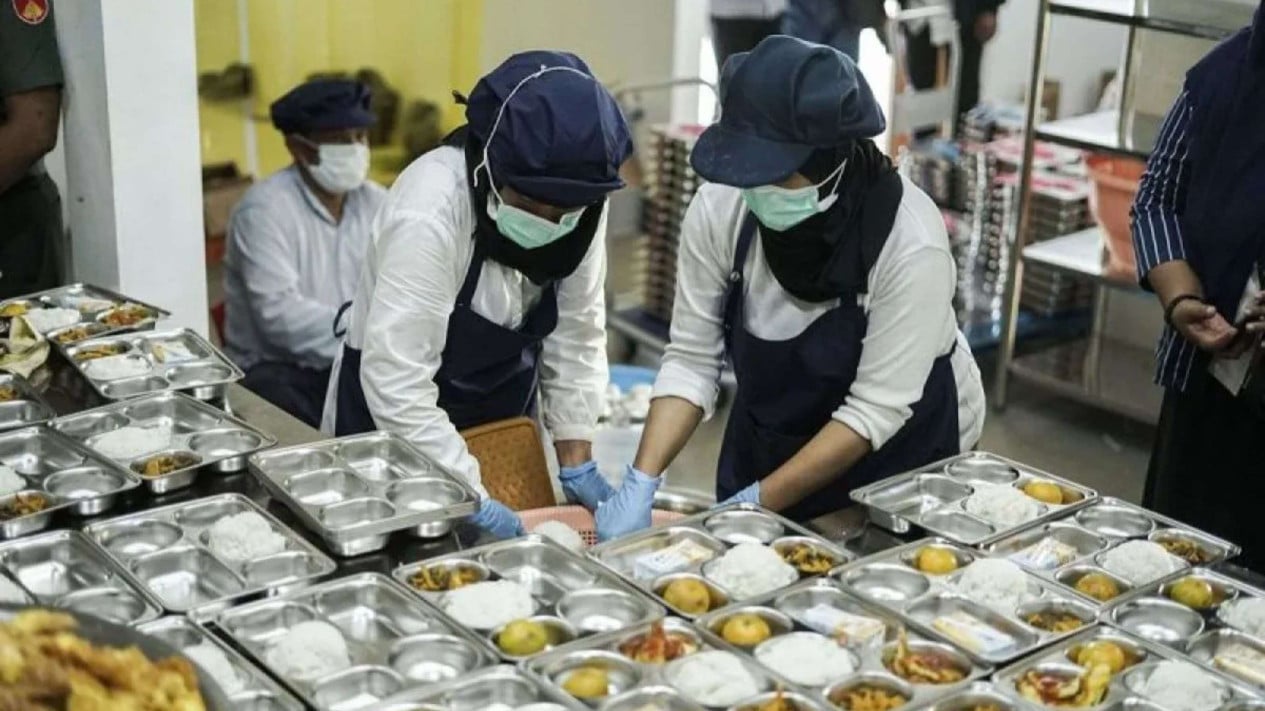
Several parties are questioning the sustainability of the Free Nutritious Meals (MBG) programme, particularly amid pressures on fiscal conditions and the government’s ongoing push for budget efficiency. Economist from the Center for Strategic and International Studies (CSIS), Riandy Laksono, stated that to ensure the programme runs alongside national financial (fiscal) stability, a smart adjustment step is needed. Instead of reducing the coverage area or targeting only children from middle- to lower-income families, Riandy suggests adjusting the frequency of meal provision as a solution to maintain budget credibility. “To keep the budget healthy and Indonesia’s credit rating risk safeguarded, the government can take a middle path by regulating the frequency, for example from six days to three or four days a week,” said Riandy in his statement on Friday, 8 May 2026. According to him, this step is far safer than completely changing the structure of the ongoing programme, so the economic benefits for kitchen workers and food suppliers remain preserved. Besides budget efficiency, Riandy also emphasised the importance of maintaining nutritional quality as a long-term human resource investment. He urged the government to strengthen field monitoring mechanisms to ensure every rupiah spent truly reaches the students in the form of nutritious intake. “The government needs to strengthen the pattern of random checks or field inspections to ensure quality standards are maintained. Transparency and accountability in kitchen management will be the key to the future success of MBG,” he said. In addition, although its impact on workforce productivity will only be felt in the future, MBG is considered a good initial step to improve the quality of life for the next generation. Riandy believes that if managed with the right approach, MBG can become part of a broader economic growth ecosystem. “But again, don’t expect MBG to then drive the economy up to 8 percent; it’s hard to imagine,” said Riandy. “Because to move the economy, new economic engines are needed, not just relying on the agricultural sector. Other sectors need to be boosted. So don’t rely solely on MBG for growth strategy, leading to excessive focus on agriculture,” he added.