
Sustainability of the Palm Oil Industry Depends on Enhancing Farmers' Capacity
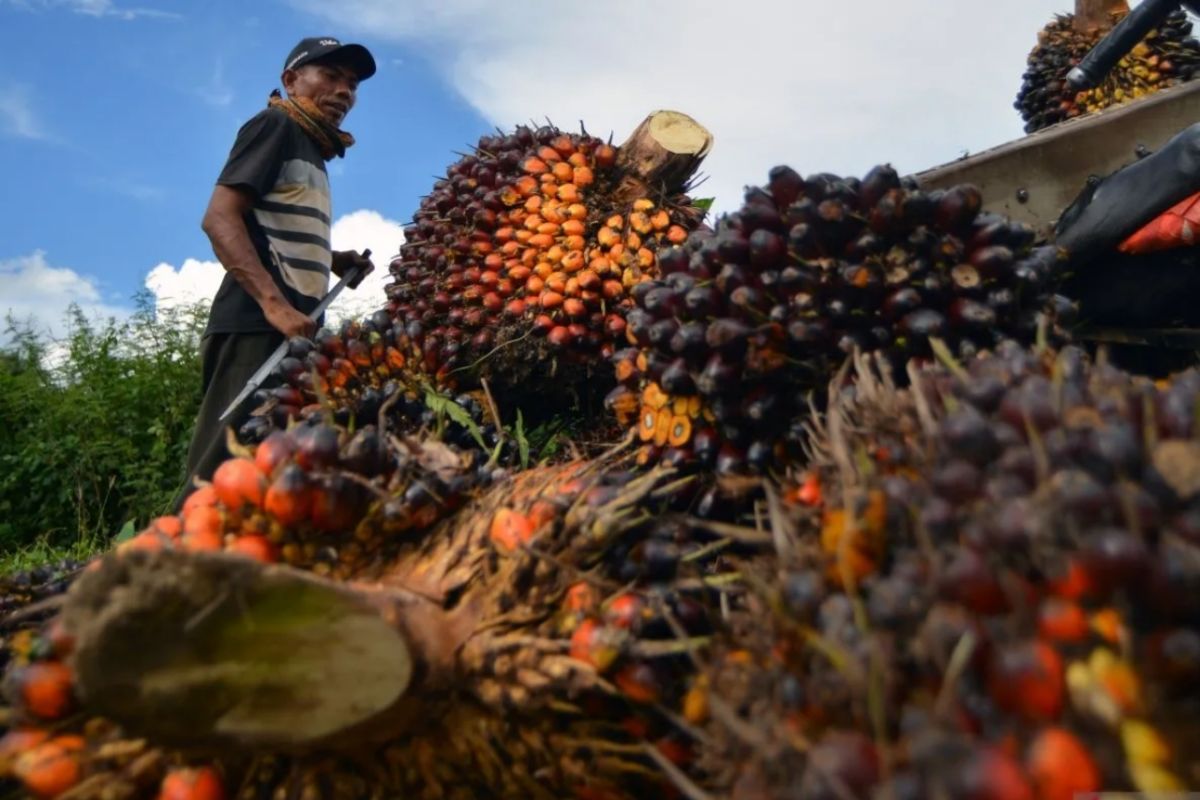
The agricultural and plantation sector remains a key pillar of the economy in various regions of Indonesia. In addition to providing employment for millions, this sector also contributes to food security, rural development, and regional economic growth. However, the challenge of farmer regeneration is an issue receiving increasing attention. Data from the Central Bureau of Statistics (BPS) shows that the age structure of farmers in Indonesia is still dominated by mature to elderly age groups. This condition underscores the importance of efforts to enhance farmers’ capacity so that the productivity and sustainability of the agriculture and plantation sectors can be maintained. In Central Kalimantan Province, based on the 2023 Agricultural Census, there are around 299 thousand agricultural business households that are the main drivers of the rural economy. One of the commodities that plays an important role is palm oil, including in Sukamara Regency, which makes the plantation sector a backbone of the regional economy. As part of efforts to strengthen farmer capacity, PT Sukses Karya Mandiri (SKM), a member of PT Triputra Agro Persada Tbk, organised the Perkasa Programme for farmers around the company’s operational areas. The training was attended by farmers from various villages, including women farmers who are actively involved in managing family oil palm plantations. Each programme implementation is attended by around 30 participants who receive instruction on good oil palm cultivation practices, productivity improvement, sustainable plantation management, and various challenges commonly faced in plantation activities. The involvement of women farmers is an interesting aspect of the programme’s implementation. Their presence shows that smallholder plantation activities are no longer only dominated by men, but also involve women in decision-making, plantation management, and the development of family businesses based on plantations. Improving the quality of agricultural human resources is one of the government’s focuses in promoting the advancement of the national agricultural sector. The Minister of Agriculture of the Republic of Indonesia, Andi Amran Sulaiman, on various occasions has emphasised that the quality of human resources is an important factor in determining the progress of the agricultural sector. ‘The progress of our agriculture is highly dependent on the capabilities and competencies of human resources. Therefore, we are committed to improving human resource capabilities through quality training and education,’ he said. Support for increasing farmer capacity was also conveyed by the Head of Permata Kecubung District, Sukamara Regency, Maryadi. According to him, training that focuses on the application of effective, efficient, and sustainable cultivation practices is very important to increase the productivity of smallholder plantations. ‘I express my gratitude to the management. I feel happy, because our oil palm farmers are being elevated and supported to carry out agriculture according to technical guidelines. Because, regarding the upstream process, we must apply best practice agronomy,’ said Maryadi. Through the PERKASA Programme, the farmers gain the opportunity to improve knowledge and skills in accordance with the needs of modern plantation management. The presence of participants from various backgrounds, from independent farmers to women farmers, reflects that sustainable plantation sector development requires the involvement of all elements of society. Increasing farmer capacity not only has an impact on plantation productivity, but also has the potential to improve the welfare of farming families, strengthen the rural economy, and support the long-term sustainability of the plantation sector. With farmers becoming more skilled and empowered, the plantation sector is expected to continue to develop as a driver of the regional economy while creating broader benefits for society and future generations.