
Surging Electricity Prices: US House of Representatives Intervenes to Hold Tech Companies Accountable
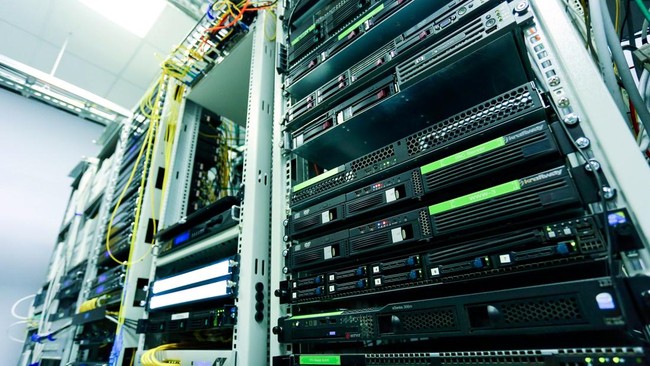
The explosion of data centre construction to meet artificial intelligence requirements has begun to burden the wider public’s finances. The sharp surge in electricity demand required to run these intelligent machines is now being passed on to household consumers through rising electricity tariffs.
Facing a growing wave of protests, members of the United States Parliament have moved to draft regulations so that the costs of building data centres are no longer borne by ordinary citizens, according to a Reuters report.
US House Speaker Mike Johnson stated that the bill, named the Ratepayer Protection Act, will soon be discussed and decided via a vote next week. This draft regulation has been prepared jointly by members of both major parties, meaning there is a high probability of it being passed into law.
This move demonstrates the significant pressure the government is feeling from various regions across the United as well. Even staunch supporters of President Donald Trump from the Republican Party are now demanding that the costs of data centre construction no longer be charged to household consumers. This indicates that the issue is no longer merely a political dispute, but a problem felt directly by the general public across the nation.
The root of the problem lies in the incredibly rapid growth of artificial intelligence. Every data centre built to serve AI needs consumes a massive amount of electricity. To illustrate, a single large data centre complex can consume as much electricity as hundreds of thousands of households combined.
As electricity demand continues to increase, utility providers are forced to build additional power plants and expand the grid. The billions of dollars spent on these expansions are subsequently recovered through electricity tariff increases for all customers, including households that have no connection to the AI business. Consequently, citizens’ electricity bills have risen significantly, even though they derive no benefit from the AI industry.
To halt this practice, the bill under discussion establishes a simple yet fair principle: the additional investment costs required to meet the electricity needs of data centres must be borne entirely by the owners of those data centres. These costs must no longer be transferred to household consumers or other business customers who are not directly related to the projects.
In other words, those who conduct the business and reap the profits must also bear the costs. The public should no longer have to pay higher bills simply because technology companies wish to build intelligent machines for their own profit.
This issue serves as a valuable lesson and an important warning for Indonesia. Indonesia is currently becoming a primary destination for data centre development in Southeast Asia, with many major technology companies planning to build massive-capacity data centres in the country in the coming years.
If regulations in Indonesia are not established from the outset, the exact same risk could occur here. The surging electricity demand for data centres could drive up electricity tariffs for the entire population.
The Indonesian government should promptly establish clear regulations. The costs of expanding the grid and power plants to serve data centres must be paid by the data centre owners from the beginning. The public, who have no connection to such businesses, must not be forced to pay more through ever-increasing electricity bills.
Source: jawawa.id (https://jawawa.id/newsitem/surging-electricity-prices-us-house-of-representatives-intervenes-to-hold-tech-companies-accountable-1789138783)
Originally published by CNBC Indonesia (https://www.cnbcindonesia.com/tech/20260911132955-37-767218/harga-listrik-lompat-dpr-turun-tangan-minta-pengusaha-tanggung), translated from Indonesian