
Surging! Coal Prices Secretly Approach US$ 150
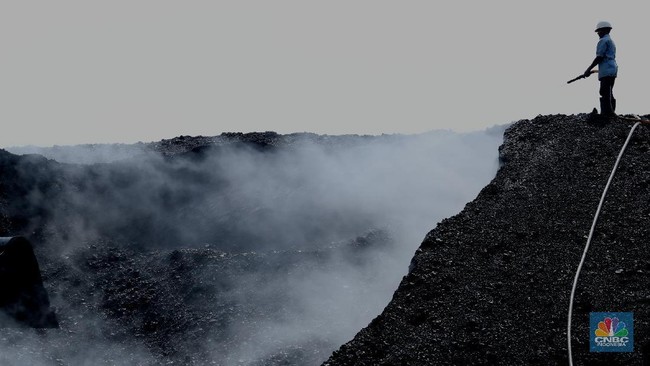
Coal prices have taken flight once again, following a surge in oil prices and ongoing supply concerns in China. According to Refinitiv, July coal contract prices closed at US$ 148 per tonne during Wednesday trading (2/6/2026), marking a 2.2% increase.
Yesterday’s closing price is the highest since 30 March 2026, or more than two months. This upward trend brings coal prices close to the US$ 150 per tonne level. The surge in coal prices is supported by the rise in oil prices and the current situation in China.
On Wednesday, oil prices rose after new attacks were launched by the US and Iran. West Texas Intermediate (WTI) crude contracts rose by 2.41% to close at US$ 96.02 per barrel, while Brent strengthened by 1.89% to US$ 97.81 per barrel. Coal and oil are commodities that influence each other as they serve as substitutes.
The increase was also triggered by conditions in China. Coal prices in China, particularly coke, rose due to an ongoing structural supply shortage. The trigger was production disruptions following a fatal mining accident in Shanxi that killed 82 people, prompting strict safety inspections across various Chinese coal mines. These measures led many mines to halt production, tightening the supply.
On the other hand, demand from steel mills remains strong ahead of the peak summer energy consumption season. China’s hot metal production has even reached its highest level since October last year, keeping the demand for steel raw materials, such as coking coal, high. These conditions caused coke coal contract prices on the Dalian Commodity Exchange to jump sharply, subsequently raising coke prices. The market assesses that the recovery of mine production is progressing more slowly than the supply disruptions caused by safety inspections.
However, thermal coal prices are under pressure because China’s domestic production remains high, and coal stocks at ports and power plants are increasing. Electricity demand has not yet been strong enough to absorb this excess supply. The Chinese government previously encouraged increased coal production to maintain energy security following the power crisis several years ago. As a result, domestic coal supply is abundant, weighing down prices in the domestic market. Furthermore, China’s coal imports have begun to weaken as buyers prefer cheaper domestic supplies, causing thermal coal prices at the mine level to lose upward momentum.