
Surge in Global Oil Prices Becomes Momentum to Accelerate B50 Biodiesel Programme
Jakarta — A surge in global oil prices resulting from escalating geopolitical tensions in the Middle East is viewed as an opportunity to accelerate the implementation of Indonesia’s mandatory 50 per cent biodiesel policy, known as B50.
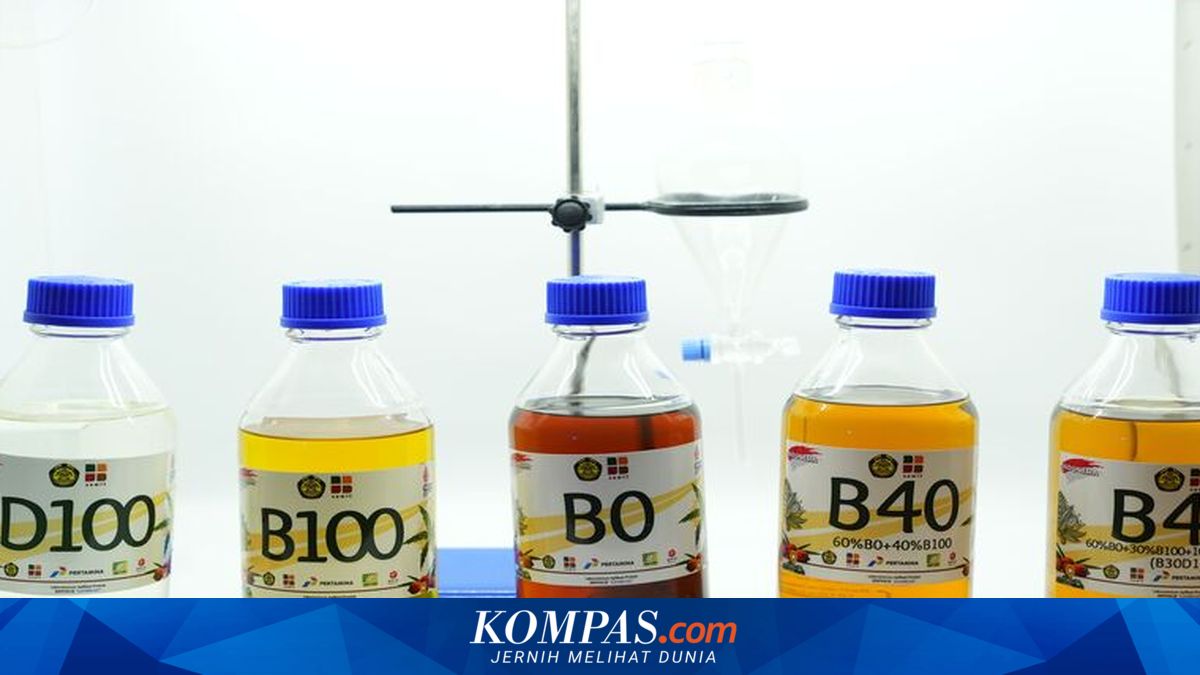
B50 is a blended fuel comprising 50 per cent solar and 50 per cent palm oil-based biofuel.
Tungkot Sipayung, Executive Director of the Palm Oil Agribusiness Strategic Policy Institute (PASPI), has urged the acceleration of mandatory biodiesel increases from B40 to B50 or higher to address the challenge of rising global oil prices.
“The increase in global crude oil prices will add to the state budget burden. Every $10 per barrel increase in crude oil import prices raises the additional burden on the state budget by approximately Rp20 trillion to Rp30 trillion,” Sipayung said on Tuesday (17 March 2026).
According to him, the Middle East region, particularly the energy distribution corridor in the Strait of Hormuz, supplies approximately 20 to 30 per cent of global fossil fuel energy needs, including that used by Indonesia.
This situation is assessed to have the potential to significantly increase the burden of energy import financing.
“Oil-importing countries like Indonesia are forced to pay double the price for fossil fuel oil imports compared to previously due to the Middle East conflict,” he stated.
Sipayung believes the government has sufficient experience to implement mandatory B50 biodiesel.
The mandatory biodiesel ecosystem that has been established up to B40 — a blend of 40 per cent biodiesel and 60 per cent solar — is seen as an important foundation for moving to the B50 stage or higher.
“The B50 plan was actually prepared by the government before the current Middle East conflict occurred,” he affirmed.
The Indonesian government has implemented mandatory biodiesel policies since 2009, starting with an initial blending rate of 1 per cent palm oil biodiesel and 99 per cent fossil solar, or B1.
This policy has been continuously accelerated through ecosystem strengthening and increased mandatory intensity, reaching B40 in 2025.