
Surge in Fuel Prices: Are Electric Vehicles Ready to Become a Solution in Indonesia?
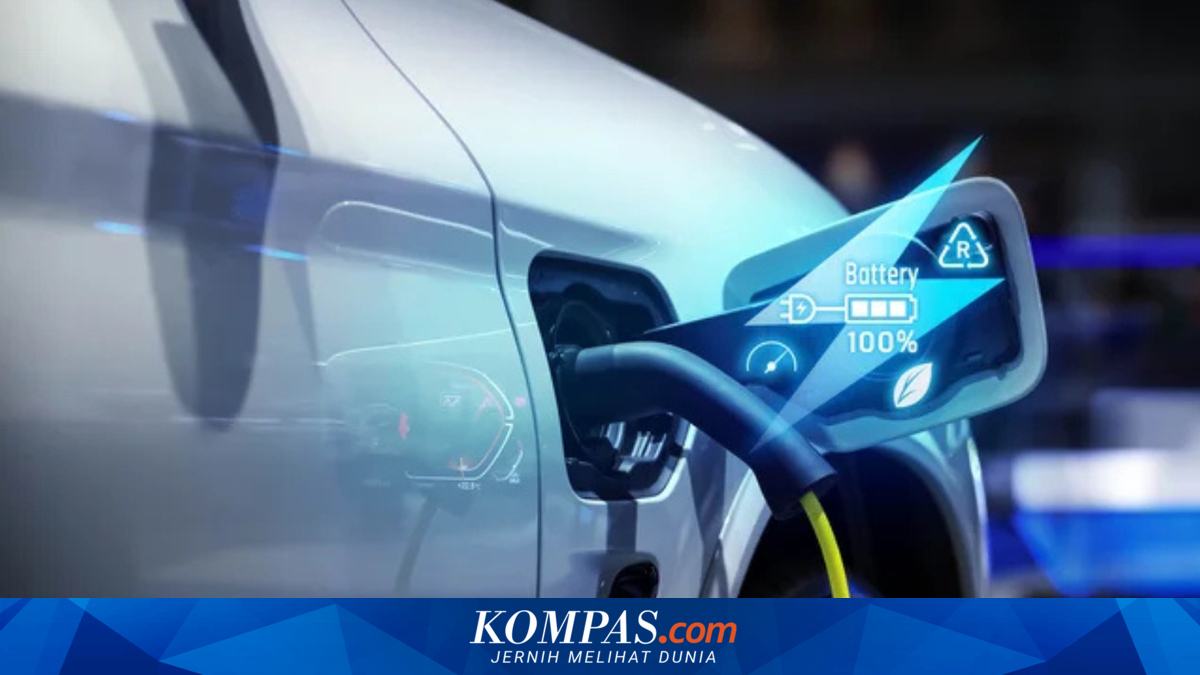
JAKARTA, KOMPAS.com – Concerns over the price and supply of fuel oil (BBM) have resurfaced amid global tensions, particularly in West Asia. This situation has prompted the public to once again highlight electric vehicles as a more economical and environmentally friendly mobility alternative. However, in reality, the adoption of electric vehicles in Indonesia is not yet widespread. Meanwhile, technically speaking, electric cars today are considered sufficiently mature to meet the needs of the majority of daily users in Indonesia. Mahaendra Gofar, founder of EVSafe and lecturer at the National Battery Research Institute, stated that public perceptions of the limitations of electric vehicles often differ from the actual experiences of active users. Many people are still concerned about travel range, the availability of charging stations, and after-sales service. Yet, most of these challenges can actually be addressed in relatively simple ways. “Most EV users in Indonesia charge at home, so reliance on public charging stations is far less than imagined,” Mahaendra told Kompas.com on Thursday (2/4/2026). According to him, public doubts often stem from perceptions rather than direct user experiences. In major cities like Jakarta, Surabaya, Bandung, and Medan, the electricity infrastructure is already adequate to support home charging. Overnight charging is generally sufficient to meet mobility needs for the next few days. In terms of travel range, electric vehicles are no longer a major obstacle. On average, electric vehicles can cover 250–400 km on a single charge, far exceeding the typical daily mobility needs of the public, which generally range from 30–60 km.