
Surabaya's Stolen Benches: A Reflection on Public Asset Protection and Collective Responsibility
The quality of a city is not only reflected in the grandeur of its standing infrastructure, but in the willingness of every citizen to protect what has been built together.
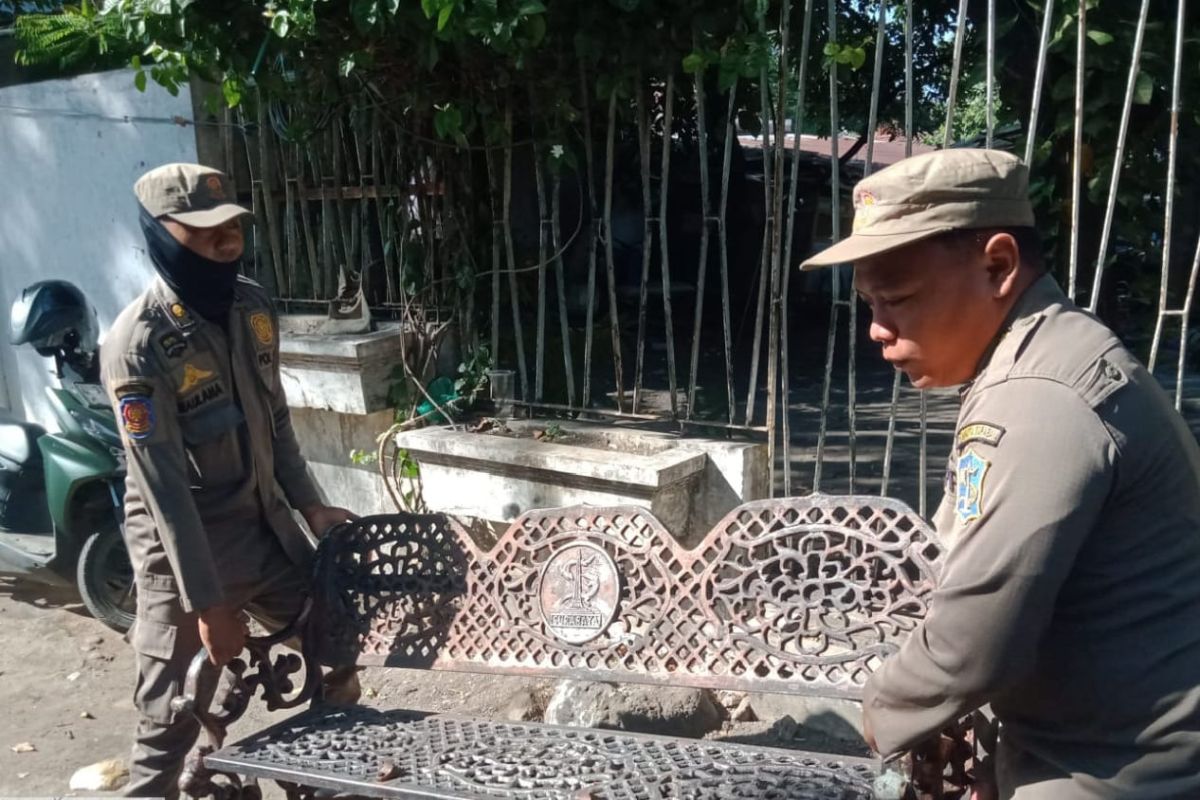
A metal bench that should have been a place for residents to rest was found on the scales of a scrap goods stall. Elsewhere, flowers planted to beautify a road median were cut down without a second thought.
These two incidents may seem trivial. The financial loss is nowhere near that of corruption or motor vehicle theft. Yet behind them lies a far larger problem: the way some members of society view public space.
Public facilities are often perceived as belonging to the government. As a result, when they are damaged or taken, the perpetrators feel they are not directly harming anyone.
In reality, every park bench, streetlight, green plant, fence and bus shelter is built using public money derived from taxes and various sources of regional revenue.
For this reason, the stance of the Surabaya city government in East Java, which has affirmed it will impose sanctions on perpetrators of damage to or theft of public assets, is not merely a response to incidents that went viral on social media. The move is an effort to build a legal culture while instilling awareness that public space is a shared asset that must be protected.
Surabaya Mayor Eri Cahyadi has called on the public to help protect public facilities and to report any acts of damage or theft they encounter. The appeal shows that protecting regional assets cannot rely solely on government officials. A city the size of Surabaya requires collective participation so that every facility built can be enjoyed in the long term.
The discovery by Surabaya’s Satpol PP of two metal chairs bearing the city government logo at a scrap goods stall in the Kaliwaron area serves as an example that routine monitoring remains essential.
The evidence was secured, while legal proceedings are being carried out in accordance with the authority of the police. Meanwhile, joint patrols involving the TNI, the police, local officials and the community continue to be strengthened so that similar incidents do not recur.
The incident serves as a reminder that threats to public assets do not always come in the form of large-scale vandalism. Sometimes, the deterioration of a city begins with small acts that are allowed to become habit.