
Surabaya's BRIDA develops pyrolysis to turn mangrove plastic waste into boat fuel
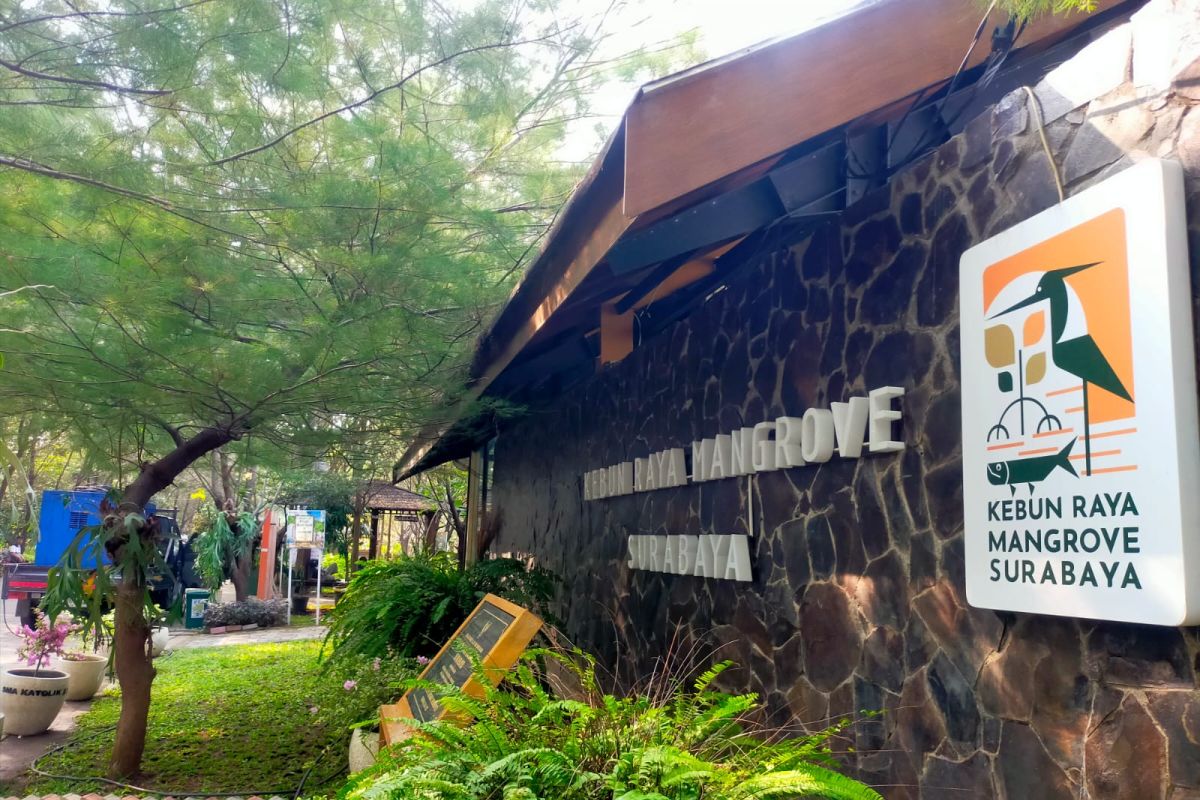
Surabaya - The Surabaya City Regional Research and Innovation Agency (BRIDA) in East Java is developing a solution for plastic waste accumulation in mangrove coastal areas through pyrolysis technology, converting it into fuel that can be utilised by fishermen.
The Head of Surabaya BRIDA, Agus Imam Sonhali, stated in Surabaya on Friday that waste issues in mangrove areas do not only originate from river flows but are also carried by sea currents during high tides.
He explained that waste filtration screens have actually been installed in the Kebon Agung channel by the Surabaya City Department of Water Resources and Public Works (DSDABM). However, plastic waste is still found accumulating in mangrove areas because it is carried in by sea waves.
“It turns out that during high tide, the sea actually brings waste into the mangroves, where it gets caught in the mangrove breathing roots,” he said.
He explained that this condition presents a challenge because most of the waste becomes stuck between the mangrove roots, making it difficult to retrieve.
“Plastic bottles still have value. As for damaged plastic bags, they have no value, yet many are floating and caught in the mangroves. It is this non-valuable waste that we want to collect,” he said.
The plastic waste will subsequently be processed using pyrolysis technology to produce fuel oil, which is expected to be reused by fishermen in the coastal area.
“When fishermen are not out fishing, they can collect plastic waste from the mangroves and bring it to us for processing. The resulting fuel oil can then be provided to them as fuel for their outboard motors,” he added.
The Secretary of Surabaya BRIDA, Mamik Suparmi, explained that the pyrolysis technology focuses on processing plastic waste that has historically been difficult to recycle and lacks economic value.
“Plastic bottles still have value because they can be shredded and recycled. It is the low-quality plastics that are useless; we collect them and perform pyrolysis so they produce oil again,” she said.
According to her, the oil produced from pyrolysis can be used directly as fuel.
Currently, BRIDA is collaborating with the Faculty of Engineering (FT) and the Faculty of Mathematics and Natural Sciences (FMIPA) at the State University of Surabaya (Unesa) to conduct research and develop pyrolysis equipment.
“We are currently conducting research and developing the apparatus,” she said.
In addition to developing innovations for mangrove waste management, BRIDA is also opening space for research collaboration through the BRIGHT web-based platform (BRIDA Research, Internship Growth and Holistic Training).
“BRIDA provides a platform for research and innovation, including student internships. From this research and internship, we hope new ideas will emerge and develop into real innovations,” said Mamik.