
Surabaya Regional Council Proposes Incentives for 6,600 Sanitation Workers
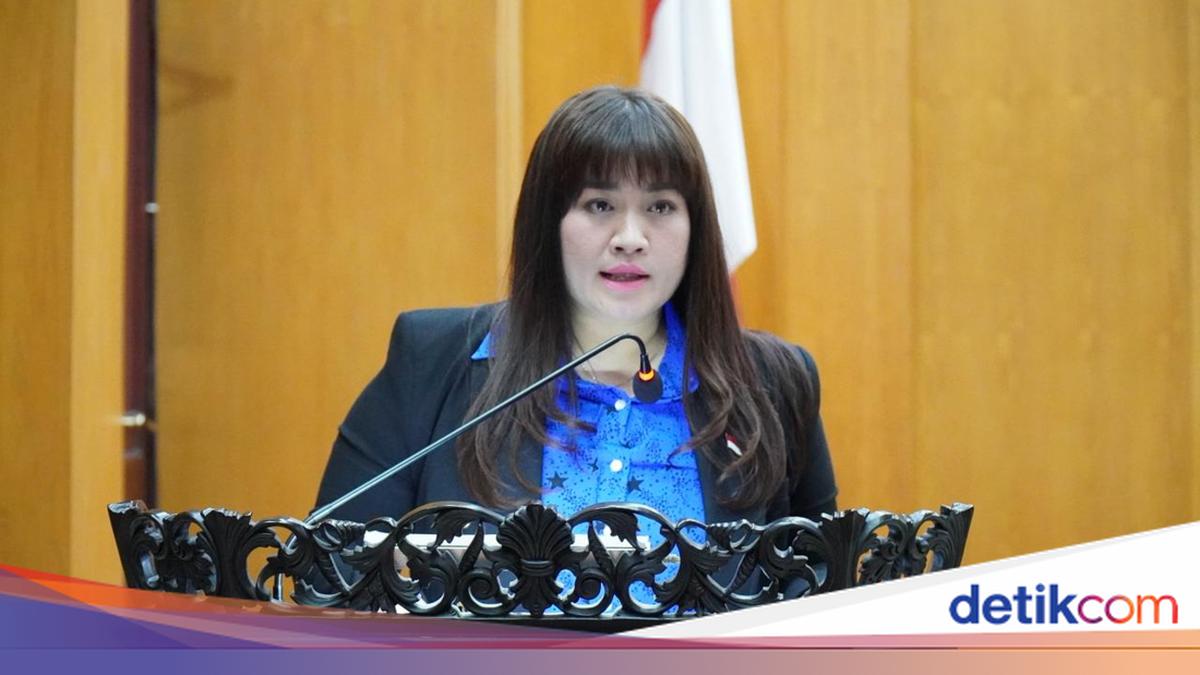
Herlina Harsono Njoto, a member of Commission C of the Surabaya DPRD, has proposed that the Surabaya City Government provide incentives to 6,600 neighbourhood sanitation workers. She noted that these workers serve as the frontline in managing waste from households to temporary disposal sites (TPS).
She argued that the contribution of these workers deserves government attention, as their funding has traditionally been borne by the community. Herlina identified issues within the waste management budgeting pattern in Surabaya, noting that while downstream costs continue to rise, workers at the neighbourhood level have yet to receive direct budgetary support. She questioned whether the waste management expenditure through the Regional Budget (APBD) has been optimised.
“On one hand, the budget for managing the Benowo landfill increases every year, not including transportation costs. On the other hand, the City Government often receives appreciation for its success in waste management,” Herlina stated in a written briefing on Monday (2/9/2026).
According to Herlina, waste management cannot rely solely on end-of-pipe processing facilities. She emphasised that the role of neighbourhood sanitation workers, who transport waste from homes to TPS, requires attention as they are a vital part of the waste management chain.
While the Surabaya City Government has encouraged residents to manage waste from home to the TPS, Herlina believes that interventions to improve the welfare of neighbourhood-level workers need to be strengthened, alongside directing them to bolster waste sorting processes within residential areas.
“The City Government should begin involving sanitation workers through direct APBD-funded incentives, rather than leaving the burden solely on residents,” she said.
Under the mandate of Law Number 18 of 2008 concerning Waste Management, household waste management and transport to TPS involves the responsibilities of both the community and the government according to their respective authorities. At the neighbourhood level, waste collection fees from households to TPS have largely been covered independently through community contributions.
Nevertheless, Herlina believes it is possible for the City Government to support sanitation workers through APBD policies. She noted that the Surabaya City Government has already provided other forms of support, such as paying for BPJS Ketenagakerjaan (employment social security) for these workers.
“Providing incentives is certainly possible. The City Government has already shown support through BPJS Ketenagakerjaan payments. The government’s attention is already present; it is now a matter of how we provide direct incentives to the sanitation workers,” Herlina remarked.
Based on Herlina’s mapping, there are at least 6,600 sanitation workers operating within the RW (neighbourhood units) across Surabaya. They currently derive their income from community levies used to fund waste collection services at the neighbourhood level.
Herlina suggested that the provision of incentives could be paired with strengthening the role of sanitation workers in sorting organic and non-organic waste at the neighbourhood level. Organic waste, such as food scraps, can be processed into compost, while non-organic waste, such as plastic bottles and other items with economic value, can be sorted for recycling.
“We can actually encourage these workers to perform sorting. Organic waste like food scraps can be composted, while non-organic waste like bottles and other items with economic value can be sorted for recycling,” she added.
Under this model, the volume of waste transported from residential areas to the TPS could decrease because a portion is processed or separated at the neighbourhood level. Herlina noted that this step could also help reduce transportation burdens and the amount of waste eventually entering the Benowo landfill.
“By the time it reaches the TPS, the waste volume will have decreased because sorting has been done by the workers from the home to the neighbourhood level. Therefore, they are not just transporting waste, but also helping to reduce the volume of waste entering the TPS and ultimately the Benowo landfill,” she said.
Herlina proposed that each sanitation worker receive an incentive of Rp 200,000 per month from the APBD. With 6,600 workers, the required budget is estimated to reach approximately Rp 15.84 billion per year.
“That figure is very reasonable and inexpensive compared to the annual increase in the Benowo landfill budget,” Herlina asserted.
She expressed hope that the City Government would begin viewing waste management as a comprehensive system that requires strengthening from upstream to downstream.
“Providing incentives can serve as a form of support for workers who help maintain environmental cleanliness every day, while simultaneously reducing the waste load entering the Benowo landfill,” she concluded.
Source: jawawa.id (https://jawawa.id/newsitem/surabaya-regional-council-proposes-incentives-for-6-600-sanitation-workers-1788314690)
Originally published by detikcom (https://news.detik.com/berita/d-8644444/dprd-surabaya-usulkan-pemkot-beri-insentif-ke-6-600-petugas-kebersihan), translated from Indonesian