
Surabaya Mayor Issues Circular Restricting RT/RW Levies
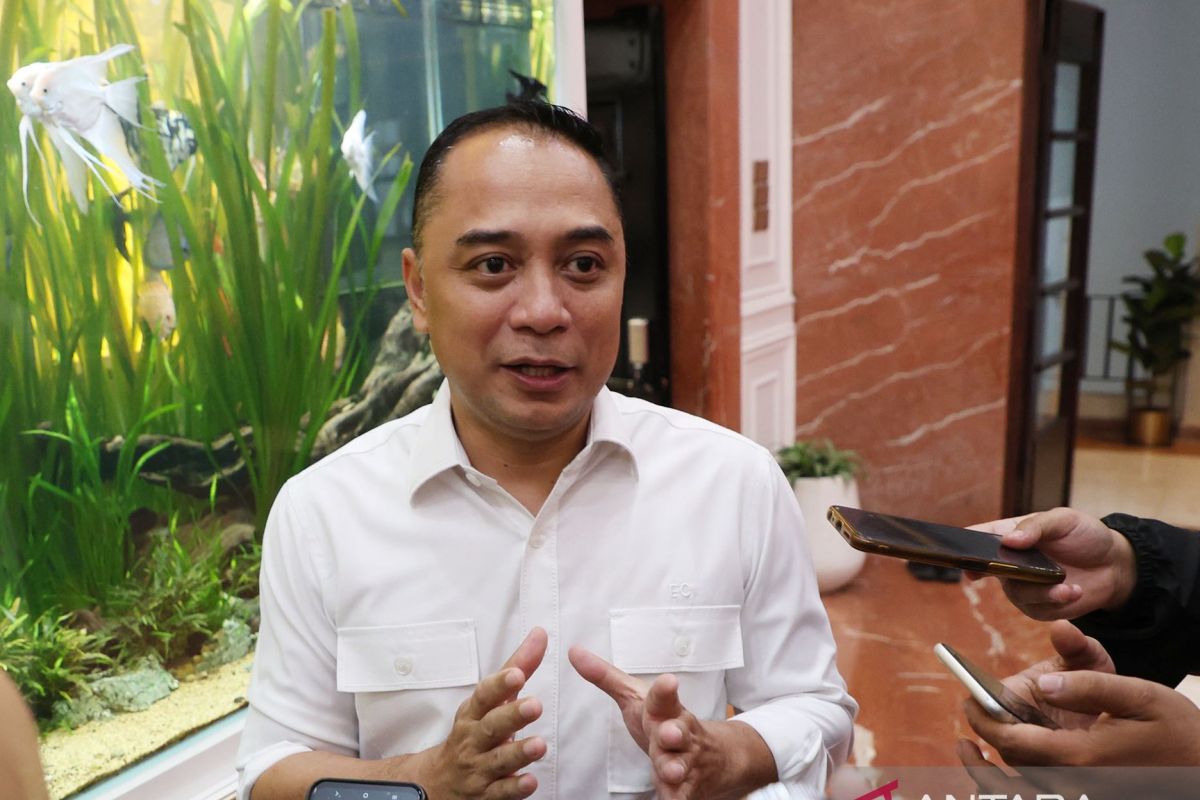
Surabaya Mayor Eri Cahyadi has issued Circular Letter (SE) Number 100.3.4.3/16871/436.1.1/2026 concerning the Restriction of Levy Collections from the Community within RT and RW Neighbourhoods, serving as a guideline to ensure such collections are conducted according to regulations. The circular, addressed to all sub-district heads and village chiefs, stipulates that levies within RT/RW areas are only permitted for security, cleanliness, and the lighting of infrastructure, facilities, and utilities that have not yet been handed over to or are not managed by the regional government.
‘Permissible levy guidelines, considering the principles of propriety and fairness, are for security, cleanliness, and/or lighting of infrastructure, facilities, and utilities that have not been handed over to or are not controlled by the regional government,’ Eri Cahyadi stated in Surabaya on Saturday. He noted that this provision refers to Article 71 of Surabaya Mayor Regulation Number 112 of 2022 concerning the Establishment and Guidance of RT, RW, and Urban Village Community Empowerment Institutions. ‘Apart from the three permitted types of levies, all other forms of collection are prohibited,’ he said.
He added that residents may provide voluntary and non-binding donations, the amount and timing of which are not determined by RT or RW administrators. Any fundraising for self-managed neighbourhood development must be decided through community deliberation, arranged transparently, and verified by the village head before being applied to the community. If an area requires self-funded construction of drainage or paving, the contribution amount must be calculated based on the actual project needs, not unilaterally set by RT or RW officials.
Residents building new homes may also be asked to contribute if the construction generates financing needs, such as for drainage, paving, or repairing roads damaged by the building activity. However, the contribution amount must be calculated based on real costs and cannot be set arbitrarily. ‘If the real cost is a certain amount, you cannot collect more than that. It must match reality. All of this must be verified by the village head before being requested from residents,’ said Mayor Eri Cahyadi.