
Surabaya Mayor Bans Nightlife During Ramadan, Regulates Distribution of Free Meals
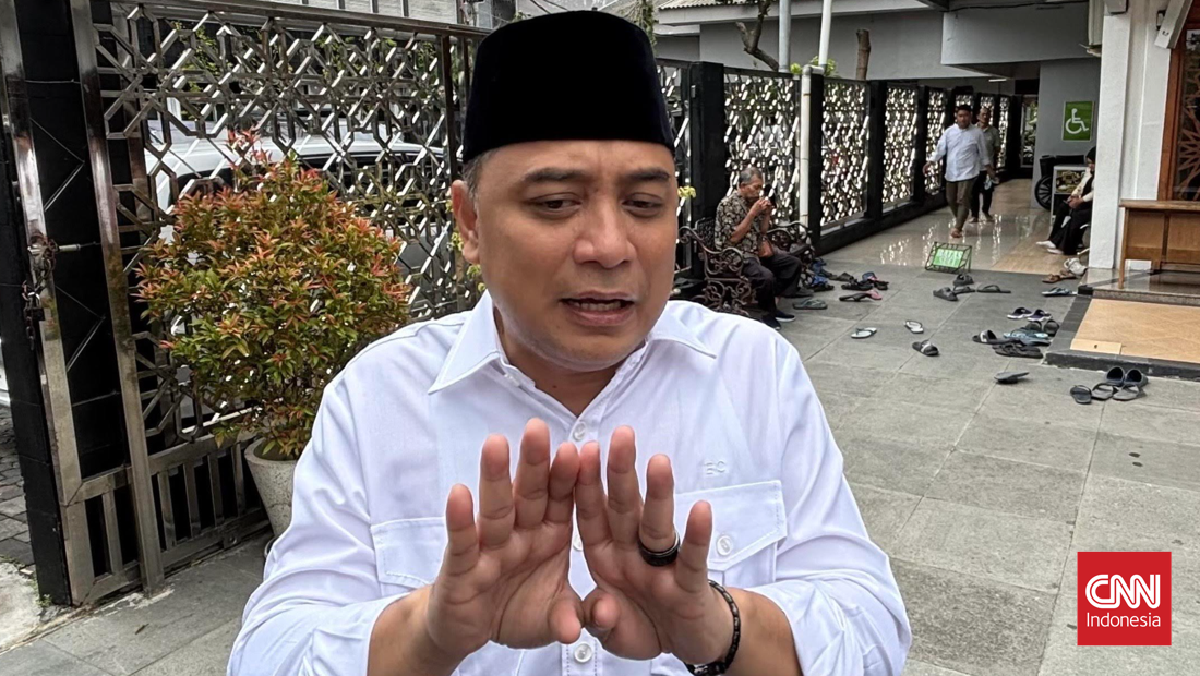
Surabaya Mayor Eri Cahyadi has officially issued a Circular Letter (SE) setting out security and public order guidelines for the holy month of Ramadan and Eid al-Fitr 2026. The regulations are designed to maintain order in the East Java provincial capital during the observance of Ramadan.
In the circular, Eri emphasised several points that the public must observe. Among them, all nightlife entertainment venues — including discotheques, nightclubs, pubs, adult and family karaoke establishments, as well as spas and massage parlours — are required to cease operations. The directive also applies to entertainment facilities located within hotels.
The circular further regulates the distribution of takjil (free meals for breaking the fast) and sahur (pre-dawn meal) provisions, stipulating that these must be channelled through mosques, prayer halls, or social and religious institutions.
He explained that the distribution of takjil and zakat fitrah (obligatory alms) is also recommended to go through official bodies, whether mosques or BAZNAS (the National Zakat Board), to avoid crowds and traffic congestion.
“The aim is to prevent traffic jams during the distribution of takjil or sahur meals,” Eri said on Wednesday (18 February).
Meanwhile, Ramadan bazaars and night markets must obtain permits from the Forkopimcam (sub-district-level coordination forum for leaders) and will subsequently be monitored by local area authorities.
Regarding religious activities, mosque administrators have been asked to use loudspeakers in accordance with Ministry of Religious Affairs regulations.
Eri also noted that restaurant, café and food stall operators are still permitted to open during Ramadan. However, he urged them not to conduct business conspicuously, requesting that curtains be put up during daytime hours.
“Culinary business operators — restaurants, cafés and food stalls — are still permitted to serve dine-in customers, but we urge them to put up curtains during the day so as not to be conspicuous,” he said.
“Specifically for cinemas, operations are prohibited during peak worship hours, namely from 17:30 WIB to 20:00 WIB, covering the breaking of the fast through to the completion of Tarawih prayers,” Eri added.
The circular also strictly prohibits the manufacture, sale or ignition of firecrackers to prevent fire hazards.
Furthermore, Eri called on parents and schools to closely monitor the activities of young people to prevent their involvement in unlawful conduct such as brawls, sarong fights, illegal street racing or gang activities, online or offline gambling, and the circulation of alcoholic beverages.
To ensure maximum compliance with the regulations, Eri added that the Surabaya city administration, together with the Indonesian military (TNI) and police, will conduct routine patrols across the entire city. He also urged the public to remain vigilant against extreme weather and to immediately contact the Call Centre on 112 or 110 in the event of an emergency.
“For those who violate the rules in this circular, the city administration will not hesitate to impose sanctions in accordance with prevailing laws and regulations,” he said.