
Surabaya DPRD views women's empowerment as key to generational quality
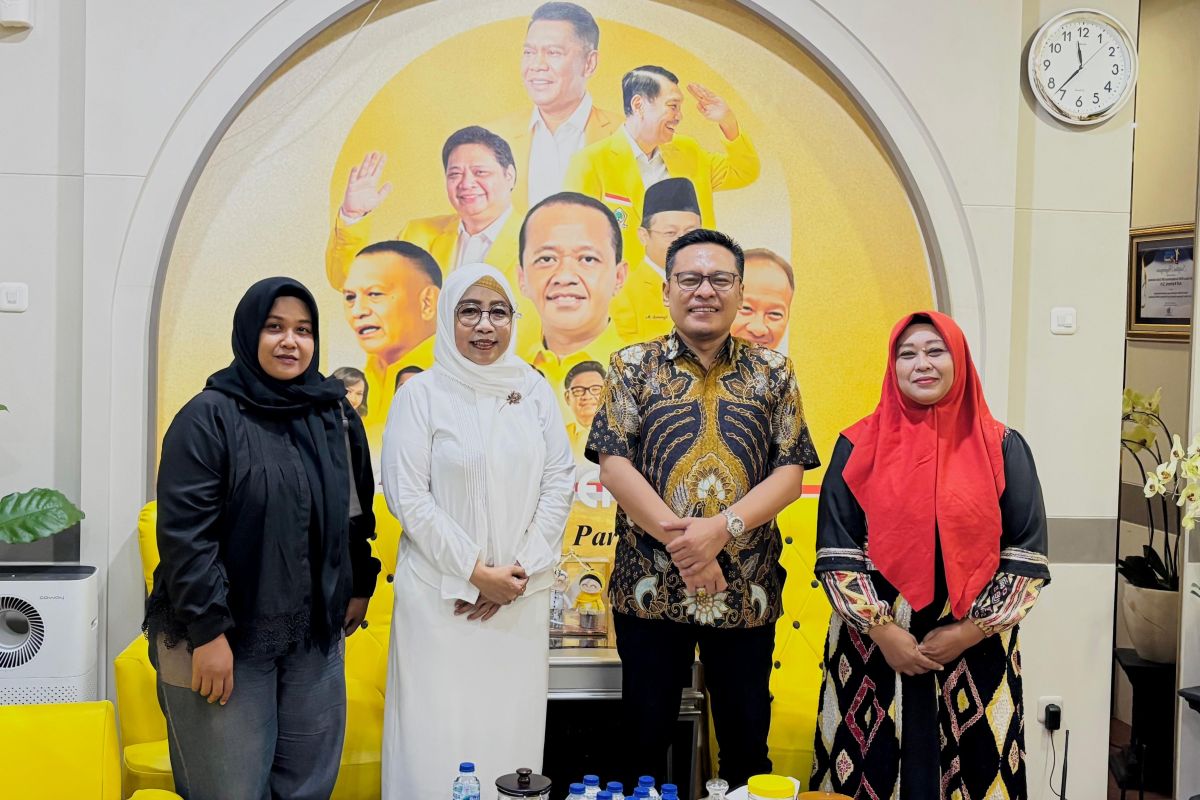
Surabaya (ANTARA) - Deputy Chairman of the Surabaya Regional People’s Representative Council (DPRD) Arif Fathoni believes that empowering mothers is one of the keys to shaping the character of generations, including supporting family economies.
“A mother is the first madrasah for her children. From mothers, great successors to the nation are born. Therefore, when these mothers are also economically empowered through training and micro, small, and medium enterprises (UMKM), the impact will be very significant,” said Arif Fathoni after receiving an audience with the Ibu Semangat Indonesia Kuat (ISIK) community at the DPRD Surabaya on Friday.
He explained that ISIK is a community that has been active in women’s empowerment, particularly housewives, through skills training and strengthening the UMKM sector.
He appreciated ISIK’s steps, which he deemed to have made real contributions to increasing women’s capacities, becoming an important part in creating independent families while strengthening community social structures.
According to him, Pancasila values should not only be embodied in symbols or ceremonial activities but must be present in everyday life, including through the role of the family.
“Pancasila villages cannot stand without the role of the family, and within the family, mothers are the key. When mothers are empowered, values of gotong royong, independence, and social care will grow naturally in the community environment,” he stated.
He assessed that communities like ISIK have a strategic role in bringing these values to life through concrete activities, such as skills training, economic strengthening, and involvement in social activities at the village level.
Such support is deemed important to expand the reach of programmes, whether in the form of advanced training, access to capital, or facilitation of UMKM product marketing.
“When mothers are empowered, not only does the family economy grow, but the quality of future generations also improves. This aligns with the spirit of Pancasila villages, which place the family as the main foundation,” he said.