
Surabaya DPRD Encourages Kampung Pancasila to Provide Environmental Solutions
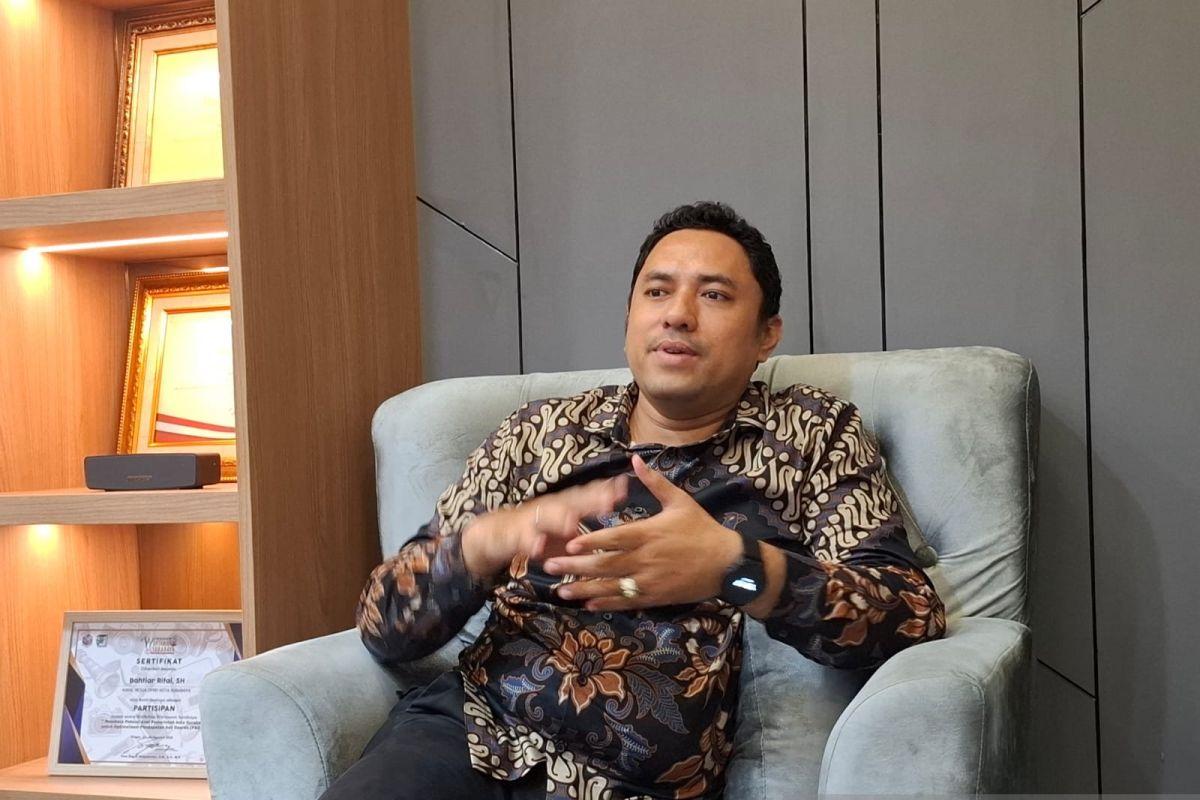
Surabaya (ANTARA) - Deputy Speaker of the Surabaya Regional House of Representatives (DPRD) Bahtiyar Rifai is encouraging the Kampung Pancasila programme, initiated by the Surabaya city government, to provide solutions to environmental problems and improve community welfare. He stated that the Kampung Pancasila programme, now running in all villages across Surabaya, has four main focuses: environment, social, economy, and strengthening the spirit of mutual cooperation (gotong royong).
“Regarding environmental issues, assistance has actually been provided. Residents are asked to sort plastic, paper, and organic waste. But I still see a weakness, namely the lack of facilities to store the sorted waste,” Bahtiyar said when confirmed in Surabaya on Monday. He explained that the waste problem must be taken seriously, considering that waste production in Surabaya reaches around 1,000 to 1,500 tonnes per day. Therefore, he urged the city government, through the Environmental Agency or sub-district funds, to provide supporting waste management facilities. If the regional budget is limited, a Corporate Social Responsibility (CSR) scheme from companies could be an alternative.
According to Bahtiyar, public education should not stop at appeals to sort waste. Residents must also receive guidance and hands-on practice so that the waste they produce gains added economic value. “Don’t just tell residents to sort and manage waste without any economic impact. The city government must provide education, guidance, and even shredding machines or processing tools so this waste can become economically valuable products,” he said. He believes that once processed waste products are created, the government also needs to prepare a clear market through cooperation with third parties. This way, residents will no longer struggle to market their processed waste.
“When it has economic value, I hope there is already a designated market. They shouldn’t have to search for one themselves. The city government must cooperate with third parties so that residents’ processed waste products can be absorbed,” he said. Bahtiyar suggested that this concept could start with a pilot project at the neighbourhood (RW) level. This is because most RWs in Surabaya already have secretariat buildings that can function as community-based education and waste processing centres. “We cannot implement it in all RWs at once. We can start with a few pilot RWs first. If successful, it can be gradually expanded to other RWs. Almost 90 percent of RWs in Surabaya already have secretariats that can serve as education and assistance centres,” he said.